5 citations
,
July 1987 in “European Journal of Obstetrics & Gynecology and Reproductive Biology” This study found that a combined oral contraceptive containing ethinyl estradiol and desogestrel appeared effective in temporarily treating ovarian hyperandrogenism in adolescents, with reductions in hormone levels and ovarian volume observed.
67 citations
,
March 2018 in “The Journal of Clinical Endocrinology & Metabolism” This study reported that estrogen-progestin oral contraceptives, antiandrogens, and insulin sensitizers are more effective than placebo in treating hirsutism in women, with combination therapies generally proving superior to monotherapy.
 28 citations
,
January 2013 in “Journal of Thyroid Research”
28 citations
,
January 2013 in “Journal of Thyroid Research” This review discusses the potential therapeutic use of thyroid hormones on skin conditions, highlighting the need for further research but reporting no new experimental results.
9 citations
,
November 1980 in “Geburtshilfe und Frauenheilkunde” In this study, prolonged intravenous Fenoterol infusion was associated with intensive hair growth in most patients, although hormonal changes typically linked to such effects were not observed.
1 citations
,
August 2024 in “Indian Dermatology Online Journal” In this study, bicalutamide showed promise in managing female pattern hair loss and reducing minoxidil-induced hypertrichosis, though further research is necessary to refine its use and establish its role in treatment.
143 citations
,
May 2002 in “PubMed” This study found that the retinoid LGD1069 suppressed mammary tumorigenesis in a mouse model without observable toxicity, while TTNPB showed modest effects but was associated with significant toxicity.
January 2026 in “Endocrinology” 7 citations
,
May 1977 in “Deutsche medizinische Wochenschrift/Deutsche Medizinische Wochenschrift” This article discusses the mechanisms and therapeutic use of antiandrogens, specifically cyproterone acetate and chlormadinone acetate, in gynecological treatments without reporting new clinical results.
March 2023 in “JAAD case reports” This paper outlines that treatments reducing estrogen for estrogen receptor-positive breast cancer, such as SERMs and AIs, significantly improve life expectancy but may lead to alopecia in 15% to 25% of patients.
 26 citations
,
April 1977 in “PubMed”
26 citations
,
April 1977 in “PubMed” This report notes that five women experiencing hypertrichosis as a side effect of minoxidil had successful hair removal using a calcium thioglycolate depilatory agent.
7 citations
,
August 2006 in “Maturitas” This study found that black cohosh extract BNO 1055 reduced testosterone-induced prostate and seminal vesicle growth in rats, suggesting it may contain potent 5α-reductase inhibitors useful for prostate cancer prevention.
12 citations
,
January 1999 in “Journal of Animal Science” This study observed that combined treatment with thyroxine and hydrocortisone increased lipid accretion and fat cell development in hypophysectomized fetal pigs, suggesting a key role of these hormones in fetal adipogenesis.
5 citations
,
November 2015 in “Journal of Enzyme Inhibition and Medicinal Chemistry” This study found that aliphatic ester moieties in 16-formyl-17-methoxy dehydroepiandrosterone derivatives increased their potency as 5α-reductase type 2 inhibitors in vitro compared to finasteride.
 29 citations
,
February 2017 in “International Journal of Women's Dermatology”
29 citations
,
February 2017 in “International Journal of Women's Dermatology” This article provides an endocrine perspective on evaluating and managing hirsutism but reports no new research findings.

This article reviews the synthesis and properties of isotretinoin, tazarotene, minoxidil, and finasteride, and reports no new findings.
 August 2025 in “ACS Omega”
 This study synthesized and evaluated hydroxycinnamate derivatives for their ability to inhibit human SRD5A1, finding that three compounds showed significant inhibitory activity and low cytotoxicity. Compound 10a notably reduced SRD5A1 protein expression in cells, suggesting potential for nonsteroidal treatment of androgen-related conditions.
 11 citations
,
May 2010 in “Journal of Medicinal Chemistry”
11 citations
,
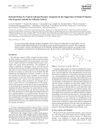
May 2010 in “Journal of Medicinal Chemistry” This study introduced a novel nonsteroidal androgen receptor antagonist that effectively controls sebum production in the golden Syrian hamster ear model through targeted follicular delivery.
19 citations
,
March 2018 in “JAMA” This guideline discusses the evaluation and treatment of hirsutism in premenopausal women, recommending oral contraceptive pills or antiandrogens as initial therapies with weak support from low-quality evidence.
 6 citations
,
April 2004 in “Journal of Enzyme Inhibition and Medicinal Chemistry”
6 citations
,
April 2004 in “Journal of Enzyme Inhibition and Medicinal Chemistry” This study found that four new progesterone derivatives reduced prostate weight in gonadectomized hamsters, suggesting potent in vivo antiandrogenic effects similar to finasteride.
111 citations
,
April 2000 in “British journal of dermatology/British journal of dermatology, Supplement” In this study, physiological levels of free T3 significantly enhanced the survival of human hair follicles in vitro.
22 citations
,
May 2003 in “Planta Medica” This study found that torilin from Torilis japonica fruit extract inhibited 5 alpha-reductase in vitro more effectively than alpha-linolenic acid but less effectively than finasteride.
 6 citations
,
January 2017 in “Annals of Dermatology”
6 citations
,
January 2017 in “Annals of Dermatology” In this study, Korean women with female pattern hair loss who used a combination of topical 0.025% 17α-estradiol and 3% minoxidil saw significant increases in total hair count and hair caliber over six months.
 1 citations
,
February 2009 in “Clinical and Experimental Dermatology”
1 citations
,
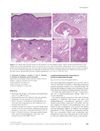
February 2009 in “Clinical and Experimental Dermatology” This study reports an improvement in lymphomatoid papulosis type A in a 52-year-old patient who concurrently used hormone-replacement therapy.
3 citations
,
June 2018 in “Bioorganic & medicinal chemistry” This study identified that derivatives 4, 4b, and 4c strongly inhibited the enzyme type 1 5α-reductase and decreased reproductive organ weights in hamsters, suggesting potential as prodrugs for prostate tumor growth inhibition.
 January 2007 in “Inpharma Weekly”
 Dutasteride is more effective for male pattern baldness than finasteride, and black cohosh extract BNO 1055 is as effective as conjugated estrogens in treating postmenopausal symptoms, with added benefits in reducing sweating and mental symptoms.
 36 citations
,
May 2011 in “The Journal of Clinical Endocrinology & Metabolism”
36 citations
,
May 2011 in “The Journal of Clinical Endocrinology & Metabolism” Treatment with a hormone agonist can reduce excess male hormones in postmenopausal women without surgery.
 3 citations
,
August 2013 in “Maǧallaẗ ǧāmiʻaẗ al-anbār li-l-ʻulūm al-ṣirfaẗ”
3 citations
,
August 2013 in “Maǧallaẗ ǧāmiʻaẗ al-anbār li-l-ʻulūm al-ṣirfaẗ” This study found that women with polycystic ovary syndrome had significantly lower levels of estradiol and follicle stimulating hormone compared to fertile women, with no significant differences in testosterone and thyroid hormone levels.
August 2025 in “OPAL (Open@LaTrobe) (La Trobe University)” This study found that hydroxycinnamate derivatives, especially a compound named 10a, effectively inhibited SRD5A1 activity and protein expression in cell assays, suggesting potential for treating androgen-related conditions.
 14 citations
,
December 1998 in “The Journal of Clinical Endocrinology and Metabolism”
14 citations
,
December 1998 in “The Journal of Clinical Endocrinology and Metabolism” This study found that MENT is 10 times more potent than testosterone in suppressing gonadotropins and contributing to anabolism in monkeys, with a potentially wider therapeutic index for human androgen replacement and male contraception.
2 citations
,
December 2013 in “Cancer research” In this study, GTx-027, a selective androgen receptor modulator, significantly inhibited tumor growth in certain breast cancer models and showed good tolerance in a Phase II trial with postmenopausal women.