 December 2023 in “bioRxiv (Cold Spring Harbor Laboratory)”
 This study observed that extracellular matrix scaffold membranes performed less effectively in wound healing for aged mice compared to younger ones, with senescent SPP1+ macrophages potentially hindering epidermal and fibroblast repair abilities.
 November 2023 in “Klìtinna ta organna transplantologìâ”
 This study reviews the regenerative potential and clinical applications of exosomes derived from mesenchymal stem cells in conditions like COVID-19, alopecia, skin aging, and osteoarthritis, highlighting their role as a promising tool in regenerative medicine.
 October 2023 in “bioRxiv (Cold Spring Harbor Laboratory)”
 This study demonstrated that disrupting EGFR signaling in mice leads to immune sensitivity compromising the hair follicle's protective environment, but JAK1/2 inhibition can restore this immune privilege and stimulate hair growth, suggesting a potential therapy for scarring hair loss diseases like cicatricial alopecia.
 October 2023 in “Frontiers in medicine”
 Targeted immunotherapy could be a promising new treatment for hair regrowth.
 September 2023 in “bioRxiv (Cold Spring Harbor Laboratory)”
 In this study, freezing gamma-irradiated amniotic fluid increased hair follicles and accelerated the transition to the anagen stage in rats, suggesting potential for treating hair loss safely and effectively.
 November 2022 in “CARDIOMETRY”
 This article discusses the potential benefits of GcMAF and oral MAF, developed by "Saisei Mirai", for cancer and other conditions, but reports no new clinical results.
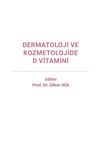
Vitamin D is crucial for skin health and managing skin diseases.
 May 2022 in “Gastroenterology”
 This study investigated the possible role of neutrophil extracellular traps in contributing to fibrosis in stenotic Crohn's disease.

This study identified a genetic locus associated with rhabdomyosarcoma susceptibility in mice and found that specific differentiation markers are linked to the regression of basal cell carcinoma.
 February 2022 in “Global academic journal of medical sciences”
 This study observed lower vitamin D levels in alopecia areata patients compared to healthy controls and suggested a possible causal role of vitamin D deficiency in the condition.
 April 2021 in “Journal of Law Public Policies and Human Sciences”
 In this note, editors discuss the reproduction of medical content by Dr. Paul E. Marik, related to standardized coronavirus treatments, emphasizing that the materials appear effective and cautioning readers to consult their doctors for guidance.
 April 2021 in “Sohag Medical Journal”
 This review outlines the proposed theories behind the development of alopecia areata, emphasizing the autoimmune process involving lost immune privilege in hair follicles, and stresses the need to pinpoint specific pathogenic mechanisms for potential treatments.
 January 2021 in “Journal of cosmetology & trichology”
 This study assessed Ageratum conyzoides gel's efficacy in reducing hair loss and improving quality of life in adults with pattern baldness, finding that it decreased temporal recession and improved hair-related distress scores, with a significant reduction in 5α-reductase expression and PGD2 release in vitro.
 November 2019 in “Harper's Textbook of Pediatric Dermatology”
 This index of Harper's Textbook of Pediatric Dermatology, Fourth Edition, provides no clinical results or new findings.
 January 2019 in “ARC journal of pharmaceutical sciences”
 This review traces the historical understanding and treatment of acne across ancient Egyptian, Greek, and Roman civilizations, but provides no new clinical findings.
 September 2018 in “Epsilon Archive for Student Projects (University of Southampton)”
 This study found that treatment with Bacillus amyloliquefaciens UCMB5113 significantly increased root hair growth in half of the tested Arabidopsis thaliana accessions.
 May 2018 in “White Rose eTheses Online (University of Leeds, The University of Sheffield, University of York)”
 In this study, researchers found that alopecia areata patients show a significant reduction in suppressive regulatory T-cells and an increase in inflammatory T-cell populations, suggesting an immunological imbalance contributing to the disease.
 March 2018 in “Suez Canal University Medical Journal”
 This review examines targeting the JAK-STAT pathway in inflammatory skin diseases, highlighting existing JAK inhibitors and potential developments, but presents no new experimental or clinical results.
 February 2018 in “Egyptian Journal of Radiation Sciences and Applications”
 This study observed that Egyptian patients with discoid lupus erythematosus have significantly lower serum vitamin D3 and antioxidant levels compared to healthy controls, suggesting potential benefits of vitamin D3 and antioxidant supplementation.
 January 2018 in “Elsevier eBooks”
 This chapter reviews various in vitro and laboratory animal models for studying potential therapies for alopecia and reports no new results.
 January 2018 in “Stem cell biology and regenerative medicine”
 This review discusses the interplay between signaling/transcription factor-mediated and epigenetic mechanisms in skin development and regeneration, highlighting the need for further exploration of epigenome reorganization in these processes.
 January 2017 in “Springer eBooks”
 This article reviews the classification, pathogenesis, and treatment options for cutaneous lupus erythematosus and reports no new clinical findings.
 January 2012 in “heiDOK (Heidelberg University)”
 In this study, researchers observed that dormant TRP-2+ melanoma cells in bone marrow can interact with CD8+ T cells in tumor-bearing ret transgenic mice, potentially influencing immune responses.
 January 2005 in “Elektronische Hochschulschriften der LMU München (Ludwig-Maximilians-Universität München)”
 This study found that a significant portion of alopecia areata patients achieved at least partial hair regrowth with diphenylcyclopropenon therapy, which was more effective in certain subtypes and disease durations.
 June 1996 in “Irish Journal of Medical Science (1971 -)”
 This study found a statistically significant increase in glycosylated hemoglobins among patients with adult-acquired panhypopituitarism undergoing long-term GH replacement therapy, with two developing diabetes requiring treatment.
 July 2008 in “British Journal of Dermatology”
 Cyclosporin doesn't stop hair loss.
 7 citations
,
March 2025 in “Archives of Dermatological Research”
7 citations
,
March 2025 in “Archives of Dermatological Research” This study found that trichoscopy is essential for evaluating the severity of alopecia areata and predicting treatment responses, contributing to more personalized patient management.
 124 citations
,
December 2016 in “Pharmaceuticals”
124 citations
,
December 2016 in “Pharmaceuticals” This review discusses the functions and potential therapeutic targeting of TRP ion channels in the skin, noting their involvement in both physiological processes and various pathological conditions, but reports no new experimental results.
 112 citations
,
May 2020 in “Nature Communications”
112 citations
,
May 2020 in “Nature Communications” This study found that cardiac fibroblasts significantly enhance the maturation of neonatal mouse and human embryonic stem cell-derived cardiomyocytes, suggesting a pivotal role in postnatal heart development and disease.
 105 citations
,
September 1995 in “Journal of The American Academy of Dermatology”
105 citations
,
September 1995 in “Journal of The American Academy of Dermatology” This review discusses the use of recombinant cytokines as therapeutic agents in clinical settings and describes the range of cutaneous complications associated with their use, including both minor and severe skin reactions.