58 citations
,
July 2018 in “Journal of Allergy and Clinical Immunology” Alopecia areata severity is linked to increased TH1 and TH2 activity.
 49 citations
,
December 2018 in “Journal of Investigational Allergology and Clinical Immunology”
49 citations
,
December 2018 in “Journal of Investigational Allergology and Clinical Immunology” Dupilumab may cause hair loss in some patients with severe atopic dermatitis.
 31 citations
,
February 2014 in “Inflammation Research”
31 citations
,
February 2014 in “Inflammation Research” This study found that reduced expression of CD200R1 on monocyte-derived macrophages in rheumatoid arthritis patients was significantly associated with higher disease severity and an imbalance in Th17/Treg cells.
 30 citations
,
May 2016 in “Expert Opinion on Biological Therapy”
30 citations
,
May 2016 in “Expert Opinion on Biological Therapy” This review discusses immune pathways involved in alopecia areata and explores emerging, more targeted therapeutic strategies, noting their potential for better safety and effectiveness compared to traditional immune suppressants.
 4 citations
,
September 2021 in “Frontiers in allergy”
4 citations
,
September 2021 in “Frontiers in allergy” This review discusses the shared biological mechanisms between allergy and autoimmunity, emphasizing pruritus as a central symptom in psychophysiological dermatoses, and reports no new clinical results.
2 citations
,
August 2023 in “Molecules” This study found that a quinazoline derivative, SH-340, increased skin barrier-associated factors and inhibited TSLP expression and STAT6 phosphorylation in human primary keratinocytes, suggesting potential benefits for alleviating inflammation and improving skin barrier function in atopic dermatitis.
 January 2024 in “Frontiers in endocrinology”
 This study found that genetic variants linked to hypothyroidism significantly increased the risk of developing alopecia areata, suggesting a causative connection between the two conditions.
 January 2020 in “Der Pharmacia Lettre”
 This review discusses natural remedies and nanoparticle formulations for alopecia management and reports no new clinical results, emphasizing potential benefits of herbal treatments over synthetic therapies.
 12 citations
,
March 2016 in “BBA clinical”
12 citations
,
March 2016 in “BBA clinical” This study found that intracellular Toll-like receptors were significantly up-regulated in peripheral blood mononuclear cells of alopecia areata patients, suggesting a potential role in inflammatory signaling and pathogenesis.
166 citations
,
September 2011 in “The Journal of Cell Biology” This study found that the p63 transcription factor plays a role in epidermal morphogenesis by regulating Satb1 expression, impacting chromatin architecture and gene expression in epidermal progenitor cells.
 42 citations
,
May 2016 in “Annual Review of Cell and Developmental Biology”
42 citations
,
May 2016 in “Annual Review of Cell and Developmental Biology” This review explores the novel roles of white adipose tissue in tissue homeostasis and regeneration, emphasizing its impact on epithelial, muscle, and immune tissues, and reports no new clinical results.
37 citations
,
December 2021 in “Cells” This study found that dysregulation of systemic Th1, Th2, and Th17 cytokines is associated with alopecia areata, with specific cytokines linked to disease activity and treatment response.
 29 citations
,
February 2018 in “European Journal of Immunology”
29 citations
,
February 2018 in “European Journal of Immunology” In this study, Treg depletion impaired skin wound healing in mice, potentially by altering the cytokine environment and expanding certain T-cell populations, disrupting the normal healing process.
 21 citations
,
July 2022 in “Orphanet journal of rare diseases”
21 citations
,
July 2022 in “Orphanet journal of rare diseases” This review discusses recent advancements in therapies for ichthyosis, highlighting promising prospects in protein replacement and gene therapy, but it reports no new clinical results.
 20 citations
,
October 2021 in “PLoS ONE”
20 citations
,
October 2021 in “PLoS ONE” This study found significant differences in gene expression between newborn and adult skin, with infant skin notably increasing processes related to ECM organization, cell adhesion, and collagen fibril organization.
 15 citations
,
October 2022 in “Allergy”
15 citations
,
October 2022 in “Allergy” This study found that dupilumab treatment in alopecia areata significantly suppressed Th2-related markers and increased hair keratin levels, suggesting a potential role of Th2 cytokines in the disease's pathogenesis.
 9 citations
,
January 2018 in “Acta dermato-venereologica”
9 citations
,
January 2018 in “Acta dermato-venereologica” This study found that carbonic anhydrase II was significantly upregulated in human keratinocytes when treated with toll-like receptor 3 agonist and Th2 cytokines, suggesting its potential role in inflammatory skin conditions.
8 citations
,
January 2025 in “Cell Transplantation” This review discusses the advances and challenges of using mesenchymal stem cell-derived extracellular vesicles in therapeutic applications and reports no new clinical findings.
 2 citations
,
April 2018 in “Journal of Investigative Dermatology”
2 citations
,
April 2018 in “Journal of Investigative Dermatology” This study suggests that frontal fibrosing alopecia is a highly inflammatory disease involving TH1 and JAK-STAT pathways, without reduced hair keratins, highlighting JAK-STAT signaling as a potential therapeutic target.
1 citations
,
April 2023 in “World Journal of Urology” In this study, researchers found that using a 5-α reductase inhibitor may reduce inflammation-related cytokines associated with T-helper cell 1 and T-helper cell 2 in prostate tissues after surgery, but it did not affect those related to Th17 cells.
 August 2025 in “Dermatology and Therapy”
 This study conducted a meta-analysis of gene expression data from alopecia areata patients, identifying 5109 differentially expressed genes and highlighting enriched pathways like JAK-STAT signaling, providing insights into the disease's pathogenesis and potential treatment targets.
 April 2021 in “Journal of Investigative Dermatology”
 This study found that CD1a-restricted CD4+ T cells responsive to lysyl-phosphatidylglycerol were more frequent in the blood of atopic dermatitis patients, suggesting a potential role in the disease's Th2-mediated pathology.
 April 2019 in “Journal of Investigative Dermatology”
 This study found that bioelectric and biochemical signaling mechanisms coordinate collective cell movement during chicken feather bud morphogenesis, suggesting a potential new angle for research in skin development and wound healing.
 December 2012 in “Journal of Dermatological Science”
 This study found that activating Wnt/beta-catenin signaling in hair follicles is sufficient to induce adipocyte generation in the dermis, affecting both hair follicle stem cell activation and adipocyte differentiation.
 60 citations
,
May 2015 in “Archives of dermatological research”
60 citations
,
May 2015 in “Archives of dermatological research” This review discusses the role of peroxisome proliferator-activated receptors and their agonists in dermatology but reports no new clinical results.
24 citations
,
May 2022 in “BMC Veterinary Research” This study identified key mRNAs and lncRNAs, along with related pathways, that play potentially important roles in hair follicle development and cycling in cashmere goats.
 21 citations
,
November 2022 in “Frontiers in immunology”
21 citations
,
November 2022 in “Frontiers in immunology” This article reviews sebaceous immunobiology and highlights the complex role of sebaceous glands and sebocytes in skin barrier function and inflammation, particularly in acne pathogenesis, but reports no new results.
12 citations
,
April 2017 in “Experimental and Therapeutic Medicine” This study found that patients with active severe alopecia areata exhibited decreased CD200 expression on T and B lymphocytes, which may be linked to an imbalance in Th1/Th2 immune equilibrium.
 1 citations
,
October 2025 in “Nano Research”
1 citations
,
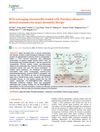
October 2025 in “Nano Research” In this study, researchers developed a dissolvable microneedle patch combining HA-TEMPO and Portulaca oleracea L.-derived nanoparticles, which effectively reduced oxidative stress and inflammation in an atopic dermatitis model while restoring immune balance, suggesting a promising treatment strategy.
 1 citations
,
June 2020 in “bioRxiv (Cold Spring Harbor Laboratory)”
1 citations
,
June 2020 in “bioRxiv (Cold Spring Harbor Laboratory)” In this study, researchers identified unique prenatal lymphocyte features in human fetal skin, including proliferative naive T cells and memory-like T cells, which may influence antigen and allergen responses in utero and infancy.