 July 2015 in “Journal of the Dermatology Nurses’ Association”
 This review covers the clinical presentation and challenges in treating frontal fibrosing alopecia in postmenopausal women and concludes that more research is needed to understand its etiology and develop effective treatments.
March 2022 in “Oncology Times” In this study, tebentafusp-tebn improved overall survival in patients with metastatic uveal melanoma compared to standard therapies, despite higher rates of significant adverse events.
 23 citations
,
April 2021 in “Journal of Clinical Medicine”
23 citations
,
April 2021 in “Journal of Clinical Medicine” This review compiles existing data on frontal fibrosing alopecia and highlights the promise of 5-alpha reductase inhibitors as a treatment option, while noting the need for clarity on its cause and progression.
53 citations
,
June 2019 in “JEADV. Journal of the European Academy of Dermatology and Venereology/Journal of the European Academy of Dermatology and Venereology” This study observed that abnormal hormone levels were associated with lower disease activity in frontal fibrosing alopecia, while thyroid disorders were a common comorbidity among the affected population.
2 citations
,
June 2020 in “Clinical Journal of Gastroenterology” This case report describes two patients with ulcerative colitis and alopecia areata who did not respond to various treatments but achieved remission and improved hair growth after starting tofacitinib.

This study concluded that oral tofacitinib significantly improved hair growth in patients with alopecia areata, alopecia totalis, and alopecia universalis over a 24-week period, but longer studies are needed to assess long-term safety.
 2 citations
,
July 2021 in “JAAD Case Reports”
2 citations
,
July 2021 in “JAAD Case Reports” This case study suggests that trichoscopic examination of the beard can aid in diagnosing frontal fibrosing alopecia in men, especially when challenging to differentiate from androgenetic alopecia.
344 citations
,
May 2018 in “EMBO journal” This review discusses the regulation of the MiT-TFE family transcription factors, particularly TFEB, through phosphorylation-mediated subcellular localization and reports no new clinical results.
 March 2025 in “Indian Journal of Dermatology Venereology and Leprology”
 In this study, tofacitinib showed significant efficacy in treating alopecia totalis and universalis over a 6-month period, with notable hair regrowth outcomes, while younger age of onset and shorter treatment duration were linked to less effectiveness.
 May 2024 in “Journal of cosmetic dermatology”
 In this retrospective study, oral tofacitinib treatment for at least 6 months improved scalp hair loss in 69.1% of alopecia areata patients, with patchy AA cases responding better compared to other subtypes, and no significant adverse effects were reported.
 40 citations
,
September 2018 in “Journal of the American Academy of Dermatology”
40 citations
,
September 2018 in “Journal of the American Academy of Dermatology” This letter discusses the emerging use of Janus kinase inhibitors, specifically oral tofacitinib, for treating alopecia areata in children, but reports no new clinical findings.
 March 2026 in “Journal of Pakistan Association of Dermatologists”
 In this quasi-experimental study, 24-week tofacitinib treatment significantly improved hair regrowth in South Asian patients with alopecia areata, but a high relapse rate post-withdrawal signals the need for continuous treatment strategies.
 1 citations
,
April 2018 in “Journal of Investigative Dermatology”
1 citations
,
April 2018 in “Journal of Investigative Dermatology” This open-label study found that oral tofacitinib led to significant hair regrowth in patients with moderate-to-severe alopecia areata, supported by changes in gene expression and T cell dynamics.
 39 citations
,
January 2019 in “Journal of the American Academy of Dermatology”
39 citations
,
January 2019 in “Journal of the American Academy of Dermatology” In this study, three children with severe alopecia treated with systemic tofacitinib showed significant hair regrowth, suggesting it may be a potential option for those unresponsive to conventional therapy.
November 2025 in “Contact Dermatitis” In this case study, a 34-year-old woman experienced facial allergic reactions to SPF-containing products, and patch tests identified sensitization to salicylates, which when avoided, stabilized her symptoms and her existing frontal fibrosing alopecia, highlighting a possible link to investigate further.
This article lists the clinically important interactions and skin reactions of several drugs and substances, including THA, FK506, tamoxifen, tamsulosin, tartrazine, tea tree oil, temazepam, and temozolomide, but provides no new clinical results.
 9 citations
,
January 2018 in “Journal of the European Academy of Dermatology and Venereology”
9 citations
,
January 2018 in “Journal of the European Academy of Dermatology and Venereology” A male patient developed frontal fibrosing alopecia after antiandrogen therapy for prostate cancer.
 2 citations
,
November 2023 in “Acta dermato-venereologica”
2 citations
,
November 2023 in “Acta dermato-venereologica” This study involving 126 patients found that tofacitinib has high effectiveness and an acceptable safety profile for treating alopecia areata, with a 33.8% complete response rate at 24 weeks and sex as an independent risk factor for outcomes.
2 citations
,
May 2017 in “Journal of the American Academy of Dermatology” Tofacitinib helped a 19-year-old regrow hair after other treatments failed.
2 citations
,
January 2023 in “Anais Brasileiros de Dermatologia” December 2023 in “JEADV Clinical Practice” This study found that dermoscopy of the axilla in patients with frontal fibrosing alopecia revealed significantly higher odds of brownish peripillary halos, suggesting a diagnostic clue for the condition in this region.
37 citations
,
December 2020 in “PLANT PHYSIOLOGY” In this study, the researchers identified a temperature-sensitive mutant in Arabidopsis thaliana, showing disrupted root hair formation and altered responses to plant hormone treatments at elevated temperatures.
 8 citations
,
December 2017 in “Journal of The American Academy of Dermatology”
8 citations
,
December 2017 in “Journal of The American Academy of Dermatology” This correspondence discusses the diagnostic criteria for frontal fibrosing alopecia but reports no new research findings, agreeing with many previously suggested criteria.
5 citations
,
September 2020 in “Proceedings - Baylor University. Medical Center” In this case report, a 39-year-old woman's symptoms from dermatomyositis–systemic lupus erythematosus overlap syndrome improved only after she was treated with tofacitinib.
 1 citations
,
April 2017 in “Journal of Investigative Dermatology”
1 citations
,
April 2017 in “Journal of Investigative Dermatology” This study reports that tofacitinib, a JAK inhibitor, may stabilize hair loss in patients with classic lichen planopilaris and frontal fibrosing alopecia, though hair regrowth was not robust.
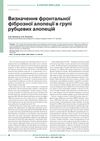 January 2022 in “Дерматологія та венерологія”
 This paper presents two cases of frontal fibrosing alopecia in postmenopausal women, noting challenges in monitoring due to the invasive nature of the diagnostic process.
 May 2026 in “Indian Journal of Dermatology”
 In this study, oral tofacitinib was associated with significant hair regrowth in patients with alopecia areata, achieving over 50% reduction in Severity of Alopecia Tool scores, with mild side effects.
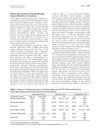 46 citations
,
January 2015 in “Journal of The American Academy of Dermatology”
46 citations
,
January 2015 in “Journal of The American Academy of Dermatology” This study suggests that trichoscopic features, such as perifollicular erythema and cicatricial white patches, are independently associated with pruritus and the severity of frontal fibrosing alopecia.

According to this review, frontal fibrosing alopecia in men exhibits unique clinical features and is often misdiagnosed, underscoring the need for validated diagnostic criteria and treatment evaluation.
This study found that the protein Formin 2 helps regulate cell-to-cell transport in thale cress by stabilizing actin filaments at plasmodesmata, with its absence leading to increased permeability and vulnerability to viral infections.