 3 citations
,
June 2022 in “Journal of The American Academy of Dermatology”
3 citations
,
June 2022 in “Journal of The American Academy of Dermatology” In this study, the COVID-19 pandemic was associated with increased diagnoses of acne and telogen effluvium, particularly among patients with COVID-19, at a New York City hospital system.
 2 citations
,
April 2021 in “Cureus”
2 citations
,
April 2021 in “Cureus” This study developed two highly reliable Arabic HRQoL questionnaires for evaluating quality of life in married and unmarried women with polycystic ovary syndrome.
 May 2026 in “Research Square”
 Children with alopecia areata often face more stress and depression, especially related to separation, which can affect their condition.
 6 citations
,
July 2003 in “Journal of Womens Health”
6 citations
,
July 2003 in “Journal of Womens Health” This article discusses various concerns related to facial skin health in women and presents expert opinions, without reporting new research findings.
 September 2024 in “Journal of Cosmetic Dermatology”
 In this study, researchers found that Ectoin, derived from halophilic bacteria, can mitigate stress-related skin damage by reducing cortisone's inhibitory effects on essential skin proteins and decreasing UVB-induced glucocorticoid activity, highlighting its potential as a preventative agent for stress-induced skin issues.
Post-earthquake, skin issues like dermatitis and infections were common due to trauma, disinfectants, and stress.
 July 2026 in “Archives of Dermatological Research”
 This study explores the potential of adaptogenic herbal extracts like ashwagandha, rhodiola, and schisandra in treating stress-induced dermatoses, noting their effects on modulating the HPA axis, reducing inflammation, and improving skin barrier function.
 September 2025 in “Cosmoderma”
 This study highlights how the COVID-19 pandemic has exacerbated stress-related dermatological issues like acne and hair loss by affecting skin and hair cycles through stress hormones, emphasizing the need for comprehensive psychoneuroendocrine-informed approaches to diagnosis and treatment.
 2 citations
,
August 2021 in “Canadian Family Physician”
2 citations
,
August 2021 in “Canadian Family Physician” This review examines the increase in dermatologic conditions related to COVID-19, highlighting direct viral effects, PPE-related issues, and stress-related exacerbations, but reports no new clinical findings.
 3 citations
,
July 2015 in “European Journal of Dermatology”
3 citations
,
July 2015 in “European Journal of Dermatology” This abstract discusses the role of advanced glycation end-products in aging-related skin damage, but does not provide new findings on their impact on alopecia.
 1 citations
,
December 2021 in “Medical Records”
1 citations
,
December 2021 in “Medical Records” This study found that during the COVID-19 pandemic, there was a significant reduction in dermatology clinic visits, with an increase in stress-induced dermatoses and more male patients seeking dermatological care compared to the previous year.
January 2024 in “E3S Web of Conferences” In this study, stray cats in Bogor exhibited skin and fur issues, abnormal respiratory and heart rates likely due to stress, increased eosinophils, low platelet counts suggesting parasitic infestation, and hyposthenuria in urine tests potentially linked to low water intake or fasting.
July 2025 in “Journal of the Dermatology Nurses’ Association” This article reports on the 2025 Annual Dermatology Nurses’ Association Convention, emphasizing its role in education, networking, and advocacy advice, and provides insights into managing stress-related skin issues and hair loss, as well as dermatology treatment advances.
 March 2024 in “CRC Press eBooks”
 This chapter reviews hormonal imbalances and related disorders, discussing nutraceuticals—such as cod liver oil, green tea, and Omega-3s—that may alleviate symptoms and improve hormonal fluxes in lieu of traditional synthetic treatments that have potential side effects.
 2 citations
,
January 1908 in “Journal of the American Medical Association”
2 citations
,
January 1908 in “Journal of the American Medical Association” Fear of hair-related issues causes significant mental distress, especially in high-stress women.
This source outlines common health issues in weanling gerbils, including skin infections often tied to beta-hemolytic Staphylococcus aureus, and obesity-related conditions like diabetes, as well as respiratory infections and musculoskeletal problems, without detailing specific new study results.
11 citations
,
April 2023 in “Skin Health and Disease” This review discusses the interplay between dermatology and psychology in psychodermatology, highlighting the impact of neuroendocrine stress pathways on skin diseases and the importance of considering skin of color.
 November 2024 in “International Journal of Cosmetic Science”
 This study demonstrated that several botanical extracts possess antioxidant properties, reducing oxidative stress and lipid oxidation in scalp treatments, with rosemary extract showing potential to improve scalp condition in a 4-week consumer trial.
 June 2016 in “CRC Press eBooks”
 This article discusses the role of hyperarousal and brain activity in insomnia and its potential link to sleep disturbances in depression, but it reports no new empirical findings.
 18 citations
,
July 2022 in “Frontiers in Immunology”
18 citations
,
July 2022 in “Frontiers in Immunology” This review discusses the potential impact of volatile organic compound exposure on the onset and progression of autoimmune diseases and reports no new experimental findings.
 December 2021 in “Turkderm”
 This research aims to evaluate the impact of the COVID-19 post-crisis period and normalization process on dermatology practice, suggesting implications for future healthcare challenges; no new results are reported.
July 2022 in “International Journal of Science and Research (IJSR)” This study describes the development of an herbal hair oil using thirteen ingredients to address various hair problems like baldness, dandruff, and hair damage, although the abstract does not report results or evaluate efficacy.
 July 2026 in “Clinical Cosmetic and Investigational Dermatology”
 In this cross-sectional study of healthy urban women in Shanghai, poor sleep quality and elevated perceived stress were linked to various self-reported dermatological issues and clinical signs, reinforcing the potential relevance of psychological factors in skin health.
 5 citations
,
September 2022 in “Antioxidants”
5 citations
,
September 2022 in “Antioxidants” This study found that the clionasterol-rich hexane fraction of Caulerpa racemosa may protect against particulate matter-induced skin damage by reducing oxidative stress and mitochondrial-mediated apoptosis in human keratinocytes and zebrafish.
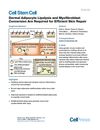 124 citations
,
June 2020 in “Cell Stem Cell”
124 citations
,
June 2020 in “Cell Stem Cell” This study found that in mice, dermal adipocytes initiate inflammation and aid repair after skin injury by releasing lipids, suggesting a role in managing inflammatory diseases and impaired wound healing.
This case report describes a unique dermatologic condition called SCRATCH, occurring in a runner due to shirt friction, which resulted in clumped axillary hairs and temporary alopecia.
 November 2023 in “Curēus”
 This study in Saudi Arabia found that psychological stress was strongly linked to skin symptoms, with conditions like psoriasis, eczema, acne, rash, and baldness showing significant associations, highlighting the importance of considering stress levels when diagnosing skin issues.
 1 citations
,
April 2018 in “Revista da Sociedade Portuguesa de Dermatologia e Venereologia”
1 citations
,
April 2018 in “Revista da Sociedade Portuguesa de Dermatologia e Venereologia” This article reviews the prevalence, causes, and associated conditions of hidradenitis suppurativa, a chronic inflammatory skin disease, but reports no new clinical findings.
2 citations
,
April 2002 in “The journal of investigative dermatology/Journal of investigative dermatology” This study found that vitamin D receptor presence is vital for normal hair growth in mice, as shown by vitamin D receptor-null mice developing alopecia, while transgenic expression of human vitamin D receptor in these mice restored normal hair growth.
 April 2026 in “Portuguese Journal of Dermatology and Venereology”
 This review summarizes the various skin manifestations linked to COVID-19 infection, vaccination, and personal protective equipment, highlighting their clinical importance and discussing psychological stress and social isolation as additional dermatologic factors.