This study found that selectively inactivating ribonucleotide excision repair in mouse epidermis leads to DNA damage, keratinocyte intraepithelial neoplasia, and squamous cell carcinoma, indicating a potential tumor-promoting mechanism related to compromised genome maintenance.
This study found that selective inactivation of ribonucleotide excision repair in mouse epidermis led to spontaneous DNA damage, skin inflammation, and the development of squamous cell carcinoma, suggesting potential implications for cancer development in humans.
January 2019 in “Publisher” This study found that human basal cell and squamous cell carcinomas have distinct gene expression patterns, with specific up-regulation of zinc finger encoding genes in basal cell carcinoma.
This study found that super-enhancers play a crucial role in driving malignant progression in squamous cell carcinoma stem cells through a regulatory network involving ETS2 transcription factors, highlighting the potential link between high ETS2 levels and poor patient outcomes in head and neck cancers.
This study found that super-enhancers in squamous cell carcinoma stem cells are distinctly different from those in normal skin stem cells, with ETS2 playing a crucial role in promoting tumor growth.
64 citations
,
February 2008 in “Cancer Research” This study reports that eliminating both Trp53 and Rb genes in mouse epidermis accelerates aggressive squamous cell carcinoma development due to early activation of the epidermal growth factor receptor/Akt pathway.
45 citations
,
February 2013 in “The Journal of Dermatology” This study seeks to clarify the terminology and classification of keratoacanthoma and similar squamous cell carcinoma lesions with central keratin-filled craters to aid in accurate differential diagnosis.
28 citations
,
January 2005 in “Photochemistry and Photobiology” This study found that overexpression of PKCepsilon in mouse epidermis was associated with increased susceptibility to metastatic squamous cell carcinoma, potentially through a mechanism involving tumor necrosis factor-alpha.
15 citations
,
May 2008 in “British Journal of Dermatology” Chronic scalp inflammation can turn into cancer, so regular check-ups are important.
11 citations
,
November 2011 in “The Journal of Dermatology” This case report highlights the association of three CX26 gene mutations, particularly the D50N mutation, with keratitis–ichthyosis–deafness syndrome and its potential role in scalp squamous cell carcinoma and breast cancer development in a patient.
 5 citations
,
February 2012 in “Aesthetic Plastic Surgery”
5 citations
,
February 2012 in “Aesthetic Plastic Surgery” This case report introduces a novel instance of long-term cutaneous neoplastic degeneration following artificial hair implantation, a previously unreported complication in such procedures.
 2 citations
,
August 2012 in “Aesthetic Plastic Surgery”
2 citations
,
August 2012 in “Aesthetic Plastic Surgery” The letter argues that blaming synthetic hair implants for scalp cancer based on one report is biased and possibly coincidental.

This case report highlights a rare occurrence of squamous cell carcinoma developing at the site of synthetic hair implantation many years later, emphasizing the need for vigilance when examining chronic scalp lesions in patients with such procedures.
 April 2025 in “Dermatology Practical & Conceptual”
 This study found that erosive pustular dermatosis of the scalp is frequently misdiagnosed as squamous cell carcinoma, highlighting the need for careful differentiation to avoid unnecessary treatments.
 April 2025 in “Dermatology Practical & Conceptual”
 This study found that erosive pustular dermatosis of the scalp is often misdiagnosed as squamous cell carcinoma, highlighting the importance of biopsy for accurate diagnosis.
October 2024 in “Frontiers in Oncology” This case study reports a novel mutation in the TRPV3 gene causing atypical Olmsted syndrome, characterized by disabling keratoderma and squamous cell carcinoma, highlighting the need for careful long-term monitoring in affected patients.
In this study, the researchers reported two new cases of squamous cell carcinoma of the scalp following synthetic hair implantation, adding to existing concerns about the procedure's safety due to potential severe complications, though insufficient data exist to confirm a causal relationship.
This study found that simultaneous inactivation of pRb and p53 genes in mice's epidermis accelerates aggressive squamous cell carcinoma development, highlighting p53 as a key tumor suppressor.
This study found that the simultaneous inactivation of pRb and p53 genes in mouse epidermis accelerated aggressive squamous cell carcinoma development via activation of the epidermal growth factor receptor/Akt pathway.
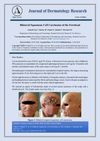
A 70-year-old man with skin cancer on both sides of his forehead was treated with surgery and cryotherapy, highlighting the need for early detection and prevention.
May 2018 in “Dermatologic Surgery” This overview describes the Dermatologic Surgery journal's comprehensive focus on dermatologic surgical techniques and current information but reports no new research findings.
 66 citations
,
December 2013 in “Nature Cell Biology”
66 citations
,
December 2013 in “Nature Cell Biology” This study found that quiescence in hair follicle stem cells acts as a tumor suppression mechanism for cutaneous squamous cell carcinoma, with Pten activity necessary to maintain this state.
3 citations
,
April 2012 in “Cancer research” This study reports that side-population stem cells, distinct from hair follicle stem cells, may play a significant role in the malignant progression of squamous cell carcinomas in mice.
November 2025 in “Cancer Cell International” This study provides a detailed cellular atlas of cutaneous squamous cell carcinoma, indicating that different fibroblast subtypes play roles in tumor progression and suppression, with potential biomarkers identified for HPV-related tumor growth.
 30 citations
,
August 2021 in “Oncogene”
30 citations
,
August 2021 in “Oncogene” This study reports that miR-22 promotes cancer progression and metastasis by maintaining Wnt/β-catenin signaling and cancer stem cell function.
7 citations
,
May 2021 in “EBioMedicine” This study observed that aberrant DNA methylation in murine and human cutaneous squamous cell carcinoma likely contributes to the silencing of tumor suppressor genes, notably affecting the FILIP1L gene.
 September 2025 in “Experimental & Molecular Medicine”
 This study observed that the small molecules KY19382 and KY19334 inhibited cancerous traits in human cutaneous squamous cell carcinoma cells by suppressing the Wnt/β-catenin pathway, indicating their potential as treatments for cancers involving CDK1 overexpression and diseases related to CXXC5 accumulation.
 55 citations
,
March 2015 in “Carcinogenesis”
55 citations
,
March 2015 in “Carcinogenesis” This study found that WNT10A is significantly upregulated in human esophageal squamous cell carcinoma and is associated with enhanced tumor cell migration, invasion, and poor survival.
44 citations
,
March 2012 in “Molecular Carcinogenesis” This study found that keratin 15 expressing cells from the hair follicle contribute to the development and long-term persistence of cutaneous papillomas in transgenic mice, with a subset showing the Ha-ras mutation.
11 citations
,
February 2018 in “Oncotarget” This study observed that reduced activation of SMAD2/3 proteins in cutaneous squamous cell carcinoma tissue compared to adjacent tissue may indicate a tumor suppressor role in disease progression.