1 citations
,
August 2021 in “Journal of Investigative Dermatology” ASLAN004 was safe and well-tolerated, supporting further development for treating certain diseases.
In this study, researchers optimized the soft drug AR antagonist 14-P1 to create candidate 39, which demonstrated effective AR antagonism and safety in a hair-growth mouse model, showing similar efficacy to pyrilutamide but with quicker onset and a lower risk of systemic toxicity.
 February 2025 in “Prospects in Pharmaceutical Sciences”
 This source reports that clascoterone cream, a topical androgen receptor inhibitor, has shown effectiveness in treating facial acne vulgaris in patients 12 and older, with clinical trials indicating a favorable safety profile compared to systemic treatments, and potential for broader dermatological applications.
 January 2026 in “Figshare”
 This paper reports two cases of finasteride-induced melasma, expanding the limited literature on this side effect, and underscores the importance of considering 5-ARI exposure in patients with new or persistent hyperpigmentation, especially among those with darker skin.
June 2026 in “British Journal of Dermatology” In this study, real-world data of 31 patients using ritlecitinib for severe alopecia areata showed that 51% achieved significant hair regrowth after one year, with no serious adverse events reported, emphasizing the importance of considering treatment duration for response.
 1 citations
,
June 2001 in “Annals of Internal Medicine”
1 citations
,
June 2001 in “Annals of Internal Medicine” This letter to the editor discusses data from a study on troglitazone for lipodystrophy, noting significant increases in subcutaneous fat without dietary changes.
 4 citations
,
October 2024 in “American Journal of Clinical Dermatology”
4 citations
,
October 2024 in “American Journal of Clinical Dermatology” This study found that ritlecitinib improved patient-reported outcomes related to hair growth in individuals with alopecia areata, with some experiencing clinically meaningful hair regrowth, although changes in emotional symptoms and activity limitations were minimal and similar across treatment groups.
5 citations
,
January 1995 in “Journal of Dermatological Treatment” This study suggests that topical calcipotriol did not significantly enhance hair growth when combined with SADBE in patients with severe alopecia areata.
 December 2025 in “International Journal of Innovative Technologies in Social Science”
 This systematic review concluded that oral JAK inhibitors, such as baricitinib and deuruxolitinib, are effective and generally well-tolerated treatments for moderate-to-severe alopecia areata, offering advantages over traditional therapies.
August 2002 in “Inpharma Weekly” July 2026 in “Journal of Drug Delivery Science and Technology”  September 2022 in “The American journal of dermatopathology/American journal of dermatopathology”
 In this pilot study, researchers found no sunscreen particles in the hair follicle units of patients with frontal fibrosing alopecia, suggesting no direct link between sunscreen use and the condition.
4 citations
,
September 2023 in “Journal of Dermatological Treatment” In this study, the use of wellness apparel emitting red and NIR light was associated with improved disease severity in patients with mild elbow psoriasis, PMLE, and limited AA, though the small sample size and continued use of other treatments were noted as limitations.
 2 citations
,
January 2020 in “Einstein (São Paulo)”
2 citations
,
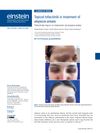
January 2020 in “Einstein (São Paulo)” This review discusses the potential of Janus kinase inhibitors as a promising new treatment for alopecia areata, suggesting they could become a first-line therapy in the future, but reports no new clinical results.
 68 citations
,
April 2002 in “Journal of Alternative and Complementary Medicine”
68 citations
,
April 2002 in “Journal of Alternative and Complementary Medicine” This study suggests that botanical 5AR inhibitors like Serenoa repens and β-sitosterol may improve symptoms of androgenetic alopecia, with 60% of treated subjects showing improvement compared to placebo.
4 citations
,
December 2023 in “Frontiers in Pharmacology” This study found that topical metformin was as effective as triple combination cream in reducing melasma severity, with minimal adverse events.
10 citations
,
December 2011 in “PubMed” In this reported case of SAPHO syndrome, methotrexate treatment led to significant clinical improvement after other treatments for skin lesions and arthritis proved less effective.
3 citations
,
August 2019 in “PubMed” This study found that topical corticosteroid foams are effective and generally preferred by patients for a variety of corticosteroid-responsive skin conditions, demonstrating significant clinical benefits such as improved psoriasis symptoms and hair regrowth in alopecia areata compared to traditional forms.
 July 2024 in “Forum Dermatologicum”
 This review evaluates various topical treatments for androgenetic alopecia but does not provide new clinical findings, emphasizing the need for selecting therapies with limited systemic side effects.
 July 2025 in “Scientific Reports”
 In this study, researchers explored drug repurposing as a potential strategy for treating psoriasis and identified Pioglitazone, Trimipramine, and Dimetindene as promising candidates for this indication, based on molecular docking and predictive algorithms.
34 citations
,
November 2023 in “Applied Materials Today” This review discusses the potential of topical nanoemulsions to transform skin cancer treatment by improving drug delivery and minimizing side effects, highlighting their advantages like enhanced skin permeation and controlled release, despite existing challenges.
6 citations
,
March 2024 in “SKIN The Journal of Cutaneous Medicine” In this ongoing phase 3 study, ritlecitinib demonstrated sustained efficacy up to 24 months in patients aged 12 or older with alopecia areata, showing increased response rates with or without an initial loading dose and supporting its long-term use.
 January 1988 in “Inpharma (Balgowlah)”
 New retinoids are effective for various skin conditions and are being developed to have fewer side effects.
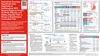 November 2025 in “SKIN The Journal of Cutaneous Medicine”
 This phase 3 trial found that over 50% of adolescents with severe alopecia areata achieved successful hair regrowth after 52 weeks on baricitinib 4-mg, with no new safety concerns reported compared to existing safety profiles.
 May 2026 in “Frontiers in Medicine”
 This study concluded that combining the Shumin treatment instrument with oral doxycycline provides better clinical outcomes for rosacea than combining red light therapy with doxycycline, while both regimens improved quality-of-life scores and reduced Demodex counts.
 27 citations
,
January 2002 in “Exogenous Dermatology”
27 citations
,
January 2002 in “Exogenous Dermatology” In this study, researchers reported that chronic UV exposure may contribute to androgenic alopecia progression by influencing hair cycle changes and exacerbating solar elastosis in the scalp.
 34 citations
,
July 2011 in “International journal of pharmaceutics”
34 citations
,
July 2011 in “International journal of pharmaceutics” This study found that ion-paired solutions significantly improved the skin penetration of risedronate in hairless mice compared to risedronate alone.
114 citations
,
October 2006 in “Journal of the European Academy of Dermatology and Venereology” In this study, clobetasol propionate foam demonstrated effectiveness and good patient compliance as a safe topical treatment for moderate to severe alopecia areata, with significant hair regrowth compared to placebo.
 April 2016 in “Journal of Investigative Dermatology”
 This study found that trametinib and vemurafenib increased sebum production and gene expression related to lipid accumulation in hamster sebocytes, which may help explain certain side effects in patients.
 January 2026 in “Zenodo (CERN European Organization for Nuclear Research)”
 This study reports that ethosomal formulations, such as ethosomal acyclovir and minoxidil, improved therapeutic effectiveness by enhancing skin permeation, leading to faster healing of herpes labialis lesions and increased skin absorption compared to standard formulations.