 73 citations
,
January 1994 in “European Urology”
73 citations
,
January 1994 in “European Urology” This study found that finasteride significantly reduced serum dihydrotestosterone levels, confirming its efficacy as a 5a-reductase inhibitor, while Permixon showed no effect in healthy male volunteers.
November 2025 in “Journal of Cosmetic Dermatology” This study found that a proprietary saw palmetto (Serenoa repens) extract significantly increased hair growth and reduced hair shedding in men and women with self-perceived thinning hair over a 90-day period, compared to placebo, without reported adverse events.
This abstract lists numerous dermatological side effects and reactions associated with various medications but reports no new research findings.
 March 2026 in “American Journal of Clinical Dermatology”
 In this study, ritlecitinib 50 mg produced clinically meaningful improvements in scalp hair regrowth over three years for patients aged 12 and older with severe alopecia areata, with 65.1% showing substantial hair regrowth and 31.2% achieving complete regrowth, while also maintaining a consistent safety profile.
 13 citations
,
November 2012 in “PubMed”
13 citations
,
November 2012 in “PubMed” This study found that in men with sexual dysfunction, use of 5ARI may reduce sexual drive and spontaneous erections without worsening pre-existing erectile or ejaculatory issues.
 20 citations
,
September 2019 in “Epidemiology and Psychiatric Sciences”
20 citations
,
September 2019 in “Epidemiology and Psychiatric Sciences” This review discusses post-SSRI sexual dysfunction syndrome and highlights its significant clinical and regulatory implications, but reports no new findings.
May 2025 in “Immunotherapy” This study observed that patients with alopecia areata taking ritlecitinib reported higher satisfaction with hair growth after 24 and 48 weeks compared to those taking a placebo, aligning with improvements in hair growth noted by doctors.
May 2026 in “Dermatology and Therapy” This study reports that among adults with severe alopecia areata taking ritlecitinib, 49% saw hair regrowth within 3 months, increasing to 82% after more than 6 months; treatment satisfaction also rose with longer duration, indicating sustained efficacy and improved quality of life over time.
 3 citations
,
October 2021 in “Brain Sciences”
3 citations
,
October 2021 in “Brain Sciences” This review hypothesizes that risperidone long-acting injectable may be linked to bullous pemphigoid in a bipolar patient, though current studies report mixed results.
 August 2008 in “European Neuropsychopharmacology”
 RY-023, a specific drug, can improve early stage memory learning without affecting general activity in rats, but it's less effective for later learning stages and doesn't impact memory recall.
 January 2024 in “American journal of clinical dermatology”
 This study reports that ritlecitinib, when used for up to 24 months in patients aged 12 and older with alopecia areata, has an acceptable safety profile, with a similar proportion of adverse events in both ritlecitinib and placebo groups in the placebo-controlled cohort.
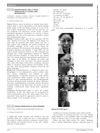
This study presents a case of neuropsychiatric lupus in a 50-year-old woman, highlighting the severe impact on quality of life and the necessity for aggressive treatment to improve outcomes.
2 citations
,
November 2011 in “Current psychiatry” July 2024 in “Journal of Investigative Dermatology” In these two clinical trials, DS-2325a, a KLK5 inhibitor, was found to be generally safe and well tolerated in healthy volunteers, with mild and non-serious adverse events, suggesting its potential for further development as a treatment for Netherton Syndrome.
21 citations
,
March 2002 in “Neurology” This case report describes two postmenopausal women with Parkinson's disease who experienced reversible hair loss after using the dopamine agonists pramipexole and ropinirole.
1 citations
,
February 2022 in “Brain Research Bulletin” This study found that finasteride reduced impulsivity in a rat model of pramipexole-induced probability discounting, possibly by normalizing D3 receptor expression in the nucleus accumbens.
21 citations
,
September 2008 in “Brain Research” Neurosteroids in the brain can increase or decrease seizure risk in mice.
April 2014 in “Investigative Ophthalmology & Visual Science” October 2025 in “Reactions Weekly” May 2024 in “Reactions weekly” July 2025 in “SKIN The Journal of Cutaneous Medicine” This study describes characteristics and outcomes for adults initiating ritlecitinib for severe alopecia areata, highlighting increased hair regrowth and physician satisfaction with longer treatment durations, despite ongoing psychosocial impacts like embarrassment and anxiety among patients.
2 citations
,
December 2013 in “Cancer research” In this study, GTx-027, a selective androgen receptor modulator, significantly inhibited tumor growth in certain breast cancer models and showed good tolerance in a Phase II trial with postmenopausal women.
 March 2026 in “Planta Medica”
 Serenoa repens extract may help hair growth in both men and women.
March 2018 in “New scientist”  January 2025 in “International Journal of Veterinary Sciences and Animal Husbandry”
 In this case study, researchers found that treatment with sarolaner led to complete recovery from generalized demodicosis in six dogs within four weeks, resolving clinical signs without adverse reactions.
3 citations
,
November 2023 in “Journal of Investigative Dermatology” Over 45% of patients with alopecia areata benefit from ritlecitinib, mostly within a year.
 July 2025 in “The Journal of Dermatology”
 This study identified common and unexpected adverse events associated with ritlecitinib in real-world use, providing insights into its safety profile for treating severe alopecia areata.
7 citations
,
October 1997 in “Journal of neurology, neurosurgery and psychiatry” This report describes two young women with partial seizures who developed alopecia after starting carbamazepine, suggesting a potential link between the drug and hair loss.
 July 2023 in “World Journal of Biology Pharmacy and Health Sciences”
 This research suggests that the drugs trazodone and chlorpromazine, which have effects on specific receptors, may help restore libido synaptic circuits and potentially treat sexual dysfunction associated with post-SSRI and post-finasteride syndromes.
February 2026 in “The Journal of Sexual Medicine” In this case report, goserelin, a GnRH agonist, was effective in managing stuttering priapism and improving erectile function in a patient with sickle cell disease, suggesting potential for last-line treatment.