 2 citations
,
January 1997 in “Leprosy Review”
2 citations
,
January 1997 in “Leprosy Review” This case report documents a rare instance of a female Indian patient with borderline-lepromatous leprosy experiencing generalized leprous alopecia of the scalp and lepromatous lymphadenitis of the suboccipital node.
 1 citations
,
November 2023 in “Naunyn-Schmiedeberg's archives of pharmacology”
1 citations
,
November 2023 in “Naunyn-Schmiedeberg's archives of pharmacology” This review focused on the bioactive compounds and pharmacological properties of Lawsonia inermis (henna) and found that it contains various beneficial compounds with potential therapeutic applications, such as antioxidant and anti-inflammatory effects, indicating a need for further investigation into its medical benefits.
 1 citations
,
March 2022 in “Journal of burn care & research”
1 citations
,
March 2022 in “Journal of burn care & research” This case study highlights that even professional eyebrow tinting can lead to chemical burns, and increasing consumer awareness is crucial as its popularity grows and unregulated products become more common.
 1 citations
,
February 2022 in “International Journal of Health and Pharmaceutical (IJHP)”
1 citations
,
February 2022 in “International Journal of Health and Pharmaceutical (IJHP)” This study found that a combination of cantigi and henna leaf extracts, in a 1:2 ratio, demonstrated the strongest antioxidant activity with an IC50 value of 29.85 µg/mL.
 1 citations
,
July 2019 in “Journal of the Dermatology Nurses' Association”
1 citations
,
July 2019 in “Journal of the Dermatology Nurses' Association” This article discusses highlights from the 2019 Dermatology Nurses' Association's annual meeting, covering various dermatological conditions and treatments, and reports no new clinical findings.
 1 citations
,
June 2016 in “Equine Veterinary Education”
1 citations
,
June 2016 in “Equine Veterinary Education” This article discusses various diagnostic techniques for investigating equine skin diseases and reports no new clinical results.
 1 citations
,
January 2014 in “Progress in Neurology and Psychiatry”
1 citations
,
January 2014 in “Progress in Neurology and Psychiatry” This report discusses the complex interplay between dermatological and psychiatric conditions and presents insights shared at the 22nd EADV Congress, but it reports no new research results.
 1 citations
,
September 2013 in “Mayo Clinic Proceedings”
1 citations
,
September 2013 in “Mayo Clinic Proceedings” This case study identified low iron stores, potentially linked to heavy menstrual periods, as a trigger for diffuse nonscarring alopecia in a 31-year-old woman, leading to a diagnosis of telogen effluvium, for which iron supplementation was prescribed.
 1 citations
,
June 2013 in “Medicine”
1 citations
,
June 2013 in “Medicine” This article reviews how to take a thorough dermatological history, conduct examinations, and discusses diagnostic tools; it reports no new clinical findings.
 January 2025 in “International Journal of Biology Sciences”
 In this case study, a 10-month-old Doberman with generalized demodicosis recovered fully after treatment with a combination of systemic and topical therapies, including ivermectin, hydroxyzine, enrofloxacin, fluralaner, and specialized shampoos.
 February 2023 in “International journal of research - granthaalayah”
 This article reviews a tabletop microscopy method for recording electromagnetic radiation from tissues, using hair follicles as a model, and presents no new clinical findings.
 June 2022 in “Al-Qadisiyah Journal of Veterinary Medicine Sciences”
 This study found that 660 nm laser treatment and povidone iodine both eradicated Pseudomonas aeruginosa infection in mice wounds, with the laser enhancing healing, and the combination provided additive or synergistic healing benefits.
This study found that sarcoptic mange significantly decreased vicuña and guanaco populations in San Guillermo National Park, Argentina, likely originating from mange-infected llama introduced nearby, raising the risk of local extinction.
 January 2018 in “The Sewanee Review”
 This abstract is a poetic narrative that recounts a personal experience involving hair loss, medical examinations, and reflections on life, but it reports no scientific findings or new clinical results.
 November 2017 in “Deleted Journal”
 In this study, treating a rabbit with ear canker using ivermectin, pheniramine maleate, and a honey-turmeric mix resulted in substantial clinical improvement, including reduced itching and restored hair and skin quality.
 January 2026 in “The Pharma Innovation”
 This study describes the successful treatment of a stray kitten with Notoedric mange using a combination of Selamectin, benzyl peroxide shampoo, omega 3 and 6 supplements, and ayurvedic ointment, resulting in complete clinical recovery and negative skin scraping after six weeks.
 December 2025 in “Biological and Clinical Sciences Research Journal”
 In this study, the Waris Hairline Dot Technique for hair transplantation demonstrated high patient satisfaction, excellent naturalness, rapid healing, and minimal complications, suggesting it is a reproducible and aesthetically superior method for creating natural hairlines.
 October 2025 in “Buletin Veteriner Udayana”
 This case report described a young Himalayan kitten in Indonesia with notoedric mange, treated successfully with topical selamectin and sarolaner, highlighting the importance of early diagnosis and management to prevent reinfestation, especially in urban areas.
 March 2025 in “World s Veterinary Journal”
 This study found that therapy significantly reduced serum IgM levels in dogs with severe dermatitis, but not in those with mild dermatitis, highlighting the effect of treatment on immune response in severe cases.
 January 2025 in “International Journal of Advanced Biochemistry Research”
 In this study from a veterinary college, three cats with notoedric mange were treated with weekly subcutaneous injections of Ivermectin (0.2 mg/kg) combined with supportive therapy, leading to successful recovery over four weeks.
 October 2024 in “International Journal of Research in Dermatology”
 This study, conducted at AIIMS Raebareli, found that infections, especially fungal, are the most common dermatological conditions affecting all age groups in their clinic, with dermatitis being notably prevalent among adults, suggesting the need for targeted public health measures.
 April 2024 in “Current journal of applied science and technology”
 This study developed an ointment from palm kernel oil and shea butter, which demonstrated improved hair growth in rabbits and may inform the creation of non-harmful hair growth products for humans.
 March 2024 in “International Journal of Advanced Research in Science, Communication and Technology”
 This review discusses the formulation and evaluation methods of herbal shampoos, highlighting various ingredients and their potential benefits for hair care, but reports no new clinical findings.
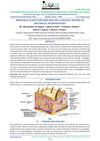 March 2024 in “International Research Journal Of Modernization In Engineering Technology And Science”
 This review highlights the beneficial effects of certain herbal drugs in treating skin diseases, such as their healing, antifungal, antiviral, antibacterial, anti-inflammatory, and antitumor-promoting activities, emphasizing recent technical advancements in the field over the past 17 years.
 January 2024 in “Journal of Ayurveda Campus”
 In this review, researchers reported that Psoralea corylifolia, extensively used in Ayurveda and Traditional Chinese Medicine, exhibits various pharmacological activities, including antioxidant and antidiabetic effects, and is primarily used for treating skin diseases. The authors suggest further clinical trials to explore its therapeutic potential.

This review of Lawsonia inermis L., or henna, details its bioactive compounds and historical uses in Unani medicine, including treatment for various conditions like ulcers and jaundice, while highlighting its potential for wound healing, hepatoprotective, and other effects, though further research is needed.
 December 2023 in “International journal of research in dermatology”
 In this study, physiological skin changes like linea nigra (84.4%) and striae distensae (78.4%) were most common in pregnant women, while pathological changes were shown to be significantly associated with gravida and gestational age.
 October 2023 in “Plant Archives/Plant archives”
 This study evaluated herbal formulations, including Neem and Hibiscus soaps and medicated oil, made from certain medicinal plants in India, finding them effective for antimicrobial purposes and beneficial for skin and hair, suggesting they are suitable for public use.
 August 2023 in “Journal of animal research”
 In this study, 22 pet rabbits with symptoms of itching and hair loss were found to have mite infestations, which were successfully treated with a combination of medications including ivermectin, resulting in recovery within 45 days.
 August 2023 in “International journal of research and review”
 This article discusses how androgenic alopecia, commonly known as pattern hair loss, can have significant psychological effects on both men and women, and it highlights homeopathy as a treatment option that considers both psychological and pathological impacts.