This study found that a cell therapy product, RCS-01, was well tolerated in aged skin and led to significant increases in gene expression related to extracellular matrix homeostasis, although the small cohort size limited further efficacy analysis.
 November 2024 in “SKIN The Journal of Cutaneous Medicine”
 This study found that ritlecitinib, taken daily, led to scalp, eyebrow, and eyelash hair regrowth in patients aged 12 and older with severe and very severe alopecia areata over a 24-month period.
2 citations
,
September 2023 in “Journal of the American Academy of Dermatology” CTP-543 effectively promotes hair regrowth in adults with moderate to severe alopecia areata.
1 citations
,
January 2024 in “International journal of molecular sciences” This review article addresses how the TRPV4 ion channel helps cells respond to mechanical and environmental stimuli, discussing its role in calcium signaling crucial for tissue repair and fibrosis across various organ systems, and highlighting potential therapeutic targets from animal and disease models.
This study found that intrathyroidal injection of autologous platelet-rich plasma improved thyroid function and symptoms in hypothyroidism patients, without adverse events over one year.
January 2022 in “Drugs of Today”  December 2020 in “Daehanhanuihakoeji”
 This study found that Rumex japonicas Houttuyn ethanol extract may promote hair growth and protect against oxidative stress-induced hair damage in mice and HaCaT cells.
November 2025 in “SKIN The Journal of Cutaneous Medicine” In this study, nearly one-third of patients with severe alopecia areata treated with ritlecitinib achieved complete scalp hair regrowth at least once over three years, and most maintained regrowth or stayed at low hair loss levels subsequently.
 196 citations
,
September 2016 in “JCI insight”
196 citations
,
September 2016 in “JCI insight” This study explored the effectiveness of the oral JAK1/2 inhibitor ruxolitinib in treating patients with moderate-to-severe alopecia areata, building on prior success with JAK inhibitors in mice, but results are not reported in this abstract.
51 citations
,
July 2003 in “Annals of the Rheumatic Diseases” This case study reports a successful use of co-trimoxazole in treating a 13-year-old girl with symptoms suggestive of autoimmune disorders and relapsing polychondritis.
 1 citations
,
February 2018 in “Australasian journal of dermatology”
1 citations
,
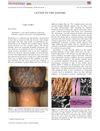
February 2018 in “Australasian journal of dermatology” Advanced imaging techniques are crucial for accurately diagnosing Monilethrix, a rare hair disorder.
5 citations
,
February 2025 in “Journal of the American Academy of Dermatology” November 2024 in “Skin Appendage Disorders” This review provides insights and guidelines for clinicians and patients on assessing the risks and benefits of ritlecitinib for adolescents with alopecia areata, emphasizing shared decision-making and management strategies.
September 2022 in “Research Square (Research Square)” This study found that a specific gene mutation was identified in a family with monilethrix, and treatment with 5% minoxidil liniment improved hair quality in the proband without adverse events.
12 citations
,
October 1978 in “PubMed” This study found that the aromatic retinoic acid derivative Ro 10-9359 provided excellent results in 64% of severe psoriasis patients, especially in those with erythrodermic and pustular types, though relapses and side effects were noted.
60 citations
,
July 2018 in “Circulation” This study found that hypogonadism in men can be a reversible risk factor for torsades de pointes (TdP), with testosterone replacement potentially preventing TdP recurrence.
2 citations
,
September 2024 in “Expert Opinion on Drug Metabolism & Toxicology” This review highlights Ritlecitinib as a promising new oral treatment for Alopecia Areata, emphasizing its targeted action and potential efficacy, especially in adults and adolescents, though it notes the need for further real-world effectiveness and long-term safety studies.
 2 citations
,
January 2023 in “Journal of Education, Health and Sport”
2 citations
,
January 2023 in “Journal of Education, Health and Sport” In this study, researchers reviewed current treatments for trichotillomania and found that psychotherapy, particularly cognitive-behavioral therapy like habit reversal training, is most effective, with some medications helping to alleviate symptoms, though further study is needed on their use.
 July 2025 in “SKIN The Journal of Cutaneous Medicine”
 This study reported that ritlecitinib was generally well tolerated over 72 months in patients aged 12 and older with alopecia areata, with adverse events like headache and nasopharyngitis observed, and safety outcomes consistent with previous studies.
 88 citations
,
August 2019 in “Nature communications”
88 citations
,
August 2019 in “Nature communications” In this study, researchers identified a specific T cell receptor associated with carbamazepine-induced severe cutaneous adverse reactions, demonstrating its potential for therapeutic development in patients with the HLA-B*15:02 genotype.
May 2026 in “Dermatology and Therapy” This study reports that among adults with severe alopecia areata taking ritlecitinib, 49% saw hair regrowth within 3 months, increasing to 82% after more than 6 months; treatment satisfaction also rose with longer duration, indicating sustained efficacy and improved quality of life over time.
October 2022 in “Journal of the ASEAN Federation of Endocrine Societies” This study found that GnRH-a treatment or orchiectomy, which required significantly lower doses of oral estradiol valerate, were more effective than anti-androgens like spironolactone and finasteride in achieving target hormone levels in transgender females in India.
January 2011 in “China Modern Doctor” This study found that combining longxuejie and finasteride effectively reduced intra-operative bleeding during TURP without side effects compared to finasteride, longxuejie alone, or control.
December 2025 in “The Journal of Dermatology” This study reported that ritlecitinib effectively improved hair regrowth in JAK inhibitor-naïve adolescent patients with severe alopecia areata, achieving significant reductions in SALT scores within 24 weeks, but was less effective for patients who had previously been treated with baricitinib.
January 2025 in “American Journal of Translational Research” This study reported that the combination of EE-CPA and raloxifene effectively manages PCOS-related infertility, enhancing pregnancy outcomes through improvements in metabolism, sex hormones, ovarian function, and endometrial receptivity, without significantly increasing adverse effects.
 January 2024 in “Genetics in Medicine Open”
 In this report, two adult patients with Tatton-Brown-Rahman syndrome exhibited new cardiac features, such as atrial fibrillation and ventricular and atrial dilatation, highlighting the importance of cardiovascular follow-up in adults with this condition.
8 citations
,
February 2024 in “Burns”  38 citations
,
December 2009 in “Therapeutic Advances in Medical Oncology”
38 citations
,
December 2009 in “Therapeutic Advances in Medical Oncology” This discussion proposes a model to incorporate patients with hormone-resistant prostate cancer into the existing framework by redefining hormone resistance and exploring new therapeutic approaches.
 7 citations
,
March 2012 in “European Journal of Pediatrics”
7 citations
,
March 2012 in “European Journal of Pediatrics” This case report describes a 4.5-year-old boy with steroid-resistant nephrotic syndrome linked to X-linked recessive ichthyosis, where remission was achieved using cyclosporine, suggesting STS deficiency as a potential genetic cause of the condition.
 4 citations
,
November 2021 in “Journal of Cosmetic Dermatology”
4 citations
,
November 2021 in “Journal of Cosmetic Dermatology” The researchers reported that QR678 Neo® combined with intralesional steroids significantly improved hair regrowth and patient satisfaction in treating alopecia areata compared to steroids alone.