 January 2024 in “Biomedicines”
 This study found that a single injection of autologous cell micrografts significantly improved hair condition in women with androgenetic alopecia six months post-treatment.
 June 2023 in “Frontiers in Cardiovascular Medicine”
 This review identified two promising therapeutic targets for drug repurposing to treat refractory angina in patients with angina pectoris without obstructive coronary artery disease: endothelin-1 receptor blockers and soluble guanylate cyclase stimulators.
 June 2023 in “Stem cell reviews and reports”
 This review summarizes current methods, effectiveness, and clinical progress of stem cell therapies for androgenetic alopecia, highlighting their potential for hair regrowth and follicle repair despite unclear long-term effects and mechanisms.
 May 2023 in “IntechOpen eBooks”
 This review outlines the role of testosterone in male sexual development and its therapeutic use for male hypogonadism, covering its biosynthesis, secretion, metabolism, and various biological actions, but does not report specific study results.
 February 2023 in “Frontiers in Bioengineering and Biotechnology”
 This review discusses the potential of optical techniques for diagnosing and treating oxidative stress-related hepatic ischemia-reperfusion injury, highlighting the need for non-invasive diagnostic methods and the anti-oxidative potential of optical therapies; it reports no new clinical results.
 April 2021 in “IntechOpen eBooks”
 This article discusses the need to investigate long-term effects of androgen manipulations independently of current levels, referencing Post-finasteride Syndrome as a relevant clinical example, and reports no new results.
 October 2020 in “Authorea (Authorea)”
 This review discusses the influence of androgens on opioid-mediated effects and calls for further research into their role in sex differences and potential therapeutic options for chronic pain and substance use disorders.
June 2013 in “International Journal of Dermatology” This study found that among HIV-infected women, central lipohypertrophy was associated with shorter eyelashes but not changes in scalp hair texture or inflammation.
April 2023 in “Dermatology and therapy” This study found a high discontinuation rate of topical minoxidil among patients with androgenetic alopecia, largely influenced by short treatment duration, lack of efficacy, and adverse effects.
This review suggests that stem cells might be a promising addition or alternative to standard treatments for androgenic alopecia, but larger studies are needed to confirm these findings.
December 2022 in “International Journal of Molecular Sciences” This study used machine learning to identify FDA-approved drugs afatinib, neratinib, and zanubrutinib as potential KRASG12C inhibitors for resistant non-small-cell lung cancer, highlighting the potential of AI in drug repurposing.
January 2016 in “Medicinski Podmladak” This study found that finasteride led to increased anxiety-like behavior related to bright spaces in rats, but did not significantly affect open space anxiety-like behavior.
255 citations
,
September 2016 in “Frontiers in plant science” This article reviews recent insights into the regulatory role of reactive oxygen species in plant development, highlighting that their mechanisms and signaling pathways remain partially understood.
11 citations
,
April 2017 in “Scholar Science Journals - International Journal of Biomedical Research” The researchers reported that a hydroalcoholic extract of Hibiscus Rosa Sinensis flowers was more effective than glibenclamide in reducing blood sugar levels in alloxan-induced diabetic rabbits, and demonstrated superior antioxidative and lipid-lowering effects, suggesting potential as an alternative antidiabetic treatment.
April 2012 in “韓國藥用作物學會誌 = Korean journal of medicinal crop science” This study observed that a herbal product containing Rosa multiflora roots significantly increased hair density and thickness in patients over 16 weeks, suggesting potential for hair growth promotion and hair loss prevention.
 November 2022 in “The journal of investigative dermatology/Journal of investigative dermatology”
 This study found that applying ivermectin 1% cream significantly improved both visible symptoms like erythema and invisible symptoms such as stinging, burning, and dryness in rosacea patients over a period of at least 16 weeks.
This review highlights that certain plant species, like Glycyrrhiza inflata and rosemary, show potential in treating skin diseases such as rosacea and alopecia, but emphasizes the need for more clinical studies to validate these findings.
6 citations
,
July 2023 in “JAAD International” This study found that while rosacea management is the most frequently discussed topic on social media forums related to disease, emotional expression is also a significantly prevalent activity among users.
 May 2023 in “Al-Mağallaẗ al-ʻirāqiyyaẗ li-l-ṣaydalaẗ”
 In this study, young albino rats whose mothers received high doses of rosemary extract during lactation showed negative health effects, including inhibited weight gain and organ damage, suggesting potential teratogenicity of rosemary extract when used in such conditions.
September 2026 in “AJARCDE (Asian Journal of Applied Research for Community Development and Empowerment)” This study found that rosemary extract hair tonic, particularly at a 15% concentration, promoted greater hair growth in rats compared to 2% minoxidil, without any observed skin irritation.
April 2009 in “한국메이크업디자인학회지” This study found that topical geranium rose oil accelerated hair regrowth and promoted hair follicle elongation in a shaving animal model of C57BL/6 mice.
 May 2022 in “International Journal of Health Sciences (IJHS)”
 This review discusses the diverse medicinal uses and pharmacological aspects of Hibiscus Rosa Sinensis Linn and highlights the need for further research on this plant.
July 2025 in “Agroindustrial Technology Journal” In this study, researchers evaluated shampoo formulations with varying concentrations of rosemary essential oil, finding that the 2% formulation was most preferred based on sensory tests, and complied well with quality standards, indicating its potential as an effective component in hair care products.
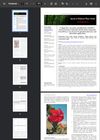 July 2026 in “Journal of Medicinal Plants Studies”
 In this study, methanolic extracts of Hibiscus rosa-sinensis showed higher phenolic and flavonoid content, as well as greater concentrations of gallic acid and quercetin, than aqueous extracts, despite the latter yielding more extract, highlighting the effectiveness of methanol for extracting bioactive phytochemicals.
 6 citations
,
June 2017 in “Asian journal of beauty & cosmetology”
6 citations
,
June 2017 in “Asian journal of beauty & cosmetology” In this study, Rosa multiflora root extracts showed strong antioxidant activity and promoted expression of growth factors IGF1 and PDGFB, suggesting potential use as a natural hair growth agent.
January 2026 in “Journal of Dermatology & Dermatologic Surgery” In this study, rosemary was found to be a common hair care choice among adults in Saudi Arabia, with users reporting mixed perceptions of benefits and side effects; age and prior hair loss treatment use influenced these self-reported outcomes.
 44 citations
,
March 2020 in “Antibiotics”
44 citations
,
March 2020 in “Antibiotics” The researchers reported that carnosic acid and carnosol, extracts from rosemary leaves, specifically inhibit S. aureus virulence expression, suggesting potential topical treatments for atopic dermatitis flares.
 October 2022 in “International Journal For Multidisciplinary Research”
 This review summarizes Hibiscus rosa Sinensis's phytochemistry, pharmacology, and medicinal uses, noting various beneficial effects and the need for further research on its phytochemicals and clinical applications.
 11 citations
,
November 2015 in “Journal of Functional Foods”
11 citations
,
November 2015 in “Journal of Functional Foods” This study found that the ethyl acetate fraction of Hibiscus rosa sinensis petals significantly reduced serum glucose and glycated hemoglobin levels in diabetic rats, with effects comparable to metformin.