December 2024 in “eCommons - AKU (Aga Khan University)” This study concluded that the platelet rich plasma injectable competency assessment tool (PICAT) demonstrated strong validity, internal consistency, and inter-rater reliability for evaluating dermatology residents at PNS Shifa Hospital.
 April 2023 in “The journal of investigative dermatology/Journal of investigative dermatology”
 This study revealed distinct cellular and transcriptomic differences among various subtypes of cutaneous T-cell lymphoma, particularly highlighting characteristics unique to folliculotropic mycosis fungoides.
 December 2013 in “The journal of investigative dermatology. Symposium proceedings/The Journal of investigative dermatology symposium proceedings”
 This article reviews the National Alopecia Areata Foundation's biennial research summits, aimed at advancing treatment development for alopecia areata, and reports no new results.
 29 citations
,
December 2012 in “Fibrogenesis & Tissue Repair”
29 citations
,
December 2012 in “Fibrogenesis & Tissue Repair” This review discusses the roles of tissue-specific and mesenchymal stromal cells in tissue repair and reparative disorders, highlighting potential therapeutic targets for muscle, heart, and lung tissues.
2 citations
,
June 2024 in “Frontiers in Immunology” In this study, researchers developed a 3D in-vitro system for generating functional AT-resident macrophages without cell sorting, providing a valuable tool to study their differentiation and function in various physiological and pathological conditions.
 December 2017 in “The journal of investigative dermatology. Symposium proceedings/The Journal of investigative dermatology symposium proceedings”
 This article reviews the role of the National Alopecia Areata Foundation in promoting research and collaboration to find treatments or a cure for alopecia areata and reports no clinical results.
 14 citations
,
April 2019 in “PLOS ONE”
14 citations
,
April 2019 in “PLOS ONE” This study found non-melanoma skin cancer in 7.2% of elderly residents in long-term care facilities in Berlin, highlighting the need for more routine skin cancer screenings in these settings.
3 citations
,
July 2025 in “Gels” This review explores how recombinant protein hydrogels, employing molecular engineering and crosslinking strategies, offer advanced applications in regenerative medicine by mimicking extracellular matrix dynamics and providing enhanced mechanical, environmental, and biological properties.
August 2023 in “Jurnal kedokteran dan kesehatan/Jurnal Kedokteran dan Kesehatan” This study found that high stress levels among medical students were significantly associated with their performance in the UKMPPD certification exam, with academic stressors being the primary contributors.
This study observed that premature hair graying was more prevalent among obese individuals, those with vitamin B12 and D deficiencies, smokers, and people with high stress, regardless of whether they were medical or non-medical students at a university in Saudi Arabia.
 2 citations
,
July 2022 in “International Journal of Women's Dermatology”
2 citations
,
July 2022 in “International Journal of Women's Dermatology” This study found that U.S. dermatology residents receive insufficient LGBT education, potentially affecting their readiness to address the specific needs of LGBT patients in dermatologic care.
5 citations
,
August 2021 in “Journal of Ethnobiology and Ethnomedicine” This study found that the population of Smilax aristolochiifolia in the Poblano Totonacapan region of Mexico has decreased over the past 50 years, mainly due to land-use changes and herbicide use.

This review synthesizes current advances in transcriptomics and RNA regulatory networks, alongside stem cell-derived skin organoid research, to propose a conceptual framework for understanding and potentially guiding regenerative skin repair, without claiming clinical readiness.
23 citations
,
March 2023 in “eLife” This study reveals that epidermal stem cell differentiation in mice involves dynamic transcriptional changes, with Keratin-10 transcription preceding gradual chromatin compaction shifts associated with differentiation.
 25 citations
,
December 2021 in “Stem Cell Research & Therapy”
25 citations
,
December 2021 in “Stem Cell Research & Therapy” This review discusses the potential of mesenchymal stem/stromal cells and their exosomes in promoting wound healing and skin regeneration, but reports no new experimental results.
2 citations
,
November 2025 in “Pharmaceutics” This review explores the potential of cell-mediated drug delivery systems in dermatology, highlighting their ability to target inflamed or diseased skin while discussing applications in diseases like atopic dermatitis and melanoma, along with challenges such as immunogenicity and manufacturing.

This article discusses the Graduate Program in Pharmaceutical Sciences at the University of Sorocaba and emphasizes collaborating internationally to improve health policies and practices but reports no new research findings.
15 citations
,
June 2015 in “F1000Research” This study examined immune responses to Diphencyprone and found that its induced skin reactions have higher levels of negative immune regulators compared to psoriasis, suggesting differences in immune regulation may contribute to psoriasis chronicity.
 July 2024 in “Jurnal Adiguna Pengabdian Masyarakat.”
 This study reports that a community program in Desa Cibiru Wetan led to a significant increase in knowledge about utilizing peppermint leaves from TOGA cultivation as an ingredient in hair masks, which may enhance local economic opportunities.
 4 citations
,
June 2013 in “The Journal of Rheumatology”
4 citations
,
June 2013 in “The Journal of Rheumatology” This abstract describes a program with various presentations and events focused on Canadian excellence in rheumatology but reports no new research findings.
 34 citations
,
September 1992 in “Journal of the American Academy of Dermatology”
34 citations
,
September 1992 in “Journal of the American Academy of Dermatology” This article provides dermatology residents with essential information on cosmetic use to help manage skin conditions and reactions, without reporting new clinical results.
July 2025 in “Journal of Investigative Dermatology” Alopecia areata involves complex immune cell interactions, especially between CD8+ T cells and macrophages, which could help develop new treatments.
 2 citations
,
September 2023 in “Frontiers in sustainable food systems”
2 citations
,
September 2023 in “Frontiers in sustainable food systems” This study found that Sinja Valley residents possess traditional knowledge of 13 edible oil-producing plant species, yet this knowledge is at risk due to sociocultural changes. Despite its benefits, including treating disorders like gastritis, use of indigenous oils is declining as commercial products become prevalent.
 2 citations
,
August 2016 in “kufa journal for nursing sciences”
2 citations
,
August 2016 in “kufa journal for nursing sciences” This study assessed nutritional status in residents of geriatric homes in Al-Furat Al-Awusat, finding that the majority were overweight and lacked routine vitamin and mineral intake.
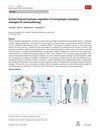
This review highlights that surface mechanical regulation can program macrophage behavior through specific mechanical cues on material surfaces, potentially advancing immunotherapies and regenerative medicine by enabling precise control over macrophage functions.
 21 citations
,
November 2017 in “Scientific Reports”
21 citations
,
November 2017 in “Scientific Reports” This study found that prostaglandin D2 reduced proliferation in bulge resident K15+ stem cells but not in other K15+ progenitor cells, suggesting differential impacts on hair follicle stem cell niches.
 15 citations
,
May 2023 in “npj Regenerative Medicine”
15 citations
,
May 2023 in “npj Regenerative Medicine” This study found that mammary resident macrophages play a key role in mammary tissue development by influencing cell division and maintaining mammary stem cell activity through the TNF-α-Cdk1/Cyclin B1 signaling pathway, highlighting their importance in the mammary stem cell niche.
 2 citations
,
November 2018 in “Cell Stem Cell”
2 citations
,
November 2018 in “Cell Stem Cell” This study reported that wound-resident mesenchymal cells can be reprogrammed to generate epithelial tissues, aiding in the closure of large, non-healing ulcers without signs of malignant transformation.
 1 citations
,
January 2021
1 citations
,
January 2021 In this study, CD4+ non-haematopoietic, skin-resident stem cell-like populations were identified in both murine and human epidermis, suggesting they may serve as potential basal cell carcinoma precursors.
 September 2022 in “Research Square (Research Square)”
 This study found that mammary resident macrophages regulate mammary epithelium cell division and development, with implications for maintaining mammary stem cell activity and homeostasis.