 11 citations
,
August 2024 in “Nature Communications”
11 citations
,
August 2024 in “Nature Communications” In this study, researchers observed that quiescent mouse embryonic fibroblasts showed reduced glycolysis but increased TCA cycle flux and mitochondrial respiration, with these changes linked to metabolic reprogramming involving yes-associated protein inhibition and malate cycle modulation, which supports extracellular matrix protein synthesis.
 15 citations
,
January 2024 in “The AAPS Journal”
15 citations
,
January 2024 in “The AAPS Journal” This study demonstrates that bioequivalence for proposed 50-mg ritlecitinib capsules versus clinical 100-mg capsules can be supported using a PBPK model-based biowaiver, achieving over 90% probability of success.
This study found that 2-hydroxy-1,4-naphthoquinone was the most effective inhibitor of steroid 5α-reductase, showing stronger inhibition than avicequinone C in HaCaT cell assays.
December 2024 in “Journal of Health and Beauty” This study found that the Dongeui Hot Spring Water complex (Dongui Hot Spring Water CPX), containing sea slug extract and panthenol, demonstrated higher antioxidant activity and cell proliferation, suggesting potential benefits for preventing hair loss and improving scalp health.
September 2012 in “The Thai journal of veterinary medicine” In this case study, apitoxin aquapuncture combined with herbal medicine was reported to have a favorable therapeutic effect in treating canine superficial pyoderma.
 January 2024 in “Wiadomości Lekarskie”
 This study reports that Abelson Interactor 1 (ABI1) regulates androgen receptor transcription in prostate cancer, identifying it as a potential target for new therapies addressing treatment resistance.
May 2025 in “CPT Pharmacometrics & Systems Pharmacology” This study examined the safety profile of ritlecitinib, a drug for alopecia areata, and found that it does not cause significant QTc prolongation or severe lymphopenia, with no unique safety risks expected in adolescents.
October 2017 in “Journal of Investigative Dermatology” This article presents a diagnostic quiz based on clinical images and reports findings from the mentioned article but does not provide new clinical results.
 January 2025 in “Advances in Dermatology and Allergology”
 This study found that the Polish version of the AA-QLI questionnaire is a reliable and internally consistent tool for assessing health-related quality of life in Polish-speaking patients with alopecia areata.
July 2025 in “Anais Brasileiros de Dermatologia” The Brazilian version of the Alopecia Areata Quality of Life Index is reliable for assessing patients' quality of life.
 June 2026 in “Digital Commons - PCOM (Philadelphia College of Osteopathic Medicine)”
 This study observed that a 24-hour pre-treatment with MitoQ significantly protected H9c2 myoblasts from doxorubicin-induced damage while enhancing doxorubicin's effectiveness in prostate cancer cells, outperforming dexrazoxane's effects without compromising the anti-cancer efficacy.
![Patent Evaluation: Hexahydrobenzo[f]quinolines as 5α-Reductase Inhibitors](/images/assets/1634373b-f615-46c7-a157-21394e3366be/small/21095.jpg) June 1993 in “Current opinion in therapeutic patents”
June 1993 in “Current opinion in therapeutic patents” This study reports that novel hexahydrobenzoquinolin compounds fully inhibited 5α-reductase activity in human genital skin fibroblasts, suggesting their potential for treating conditions like benign prostatic hyperplasia and male pattern baldness.
11 citations
,
January 2021 in “British Journal of Dermatology” This report describes a new case of syndromic ichthyosis caused by compound heterozygous mutations in AP1B1, detailing the associated clinical features and molecular consequences in the patient.
June 2026 in “Advanced Healthcare Materials” In this study, a taurine-based ionic liquid was developed to effectively penetrate the skin barrier and deliver antioxidants to hair follicles, reducing oxidative stress and promoting hair regrowth in an androgenic alopecia animal model.
6 citations
,
December 2021 in “Journal of Clinical Medicine” This study introduced the Lichen Planus Activity and Damage Index (LiPADI), which effectively assesses the severity and progression of lichen planus, aligning well with other clinical indicators.
January 2026 in “SSRN Electronic Journal” 48 citations
,
February 2010 in “Molecular biology reports” This study found that KAP7.1 and KAP8.2 genes were significantly more expressed in secondary hair follicles than primary follicles, suggesting their role in regulating cashmere fiber diameter.
December 2024 in “Journal of Health and Beauty” In laboratory conditions, this study found that the Dongeui Hot Spring Water Complex, containing sea slug extract, demonstrated enhanced antioxidant activity and promoted hair papilla cell proliferation compared to a control, suggesting potential benefits for scalp health and hair loss prevention.
 136 citations
,
April 2013 in “Clinical Cancer Research”
136 citations
,
April 2013 in “Clinical Cancer Research” The study found that IPI-926 was well tolerated up to 160 mg once daily for 28-day cycles and showed activity as a single-agent treatment in Hedgehog pathway inhibitor-naïve patients with basal cell carcinoma.
19 citations
,
September 2013 in “Psychoneuroendocrinology” Blocking CYP17A1 enzyme may help improve certain brain function issues related to dopamine.
 December 2023 in “The journal of investigative dermatology/Journal of investigative dermatology”
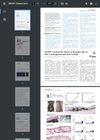
 In a mouse model study, researchers observed that the absence of MCPIP1 in myeloid cells decreased susceptibility to chemically induced skin papillomas but caused significant hair loss and skin pigmentation changes, suggesting a role for MCPIP1 in skin carcinogenesis and follicle integrity.
 28 citations
,
October 1992 in “JEADV. Journal of the European Academy of Dermatology and Venereology/Journal of the European Academy of Dermatology and Venereology”
28 citations
,
October 1992 in “JEADV. Journal of the European Academy of Dermatology and Venereology/Journal of the European Academy of Dermatology and Venereology” In this study, Scalp Immersion Proxigraphy (SIP) was shown to produce more accurate measurements of linear hair growth rate than crude phototrichogram techniques, suggesting SIP's suitability for clinical trials monitoring hair growth.
January 2017 in “Seoul National University Open Repository (Seoul National University)” This study found that the N-terminal fragment of AIMP1 enhances hair growth and proliferation of hair follicle stem cells in mice, suggesting its potential as a therapeutic peptide for hair loss treatment.
 July 2026 in “Zenodo (CERN European Organization for Nuclear Research)”
 In this study, in silico analysis identified Saponin Re and Emodin as promising candidates for topical treatment of androgenetic alopecia, with Biochanin A having the most favorable safety profile among the tested compounds.
1 citations
,
September 2024 in “Journal of the American Academy of Dermatology” Poor air quality increases the risk of atopic dermatitis in Taiwan.
January 2015 in “Zhongguo haiyang yaowu” This study found that collagen oligopeptides from puffer skin may reduce skin melanin and increase hydroxyproline content in guinea pigs, suggesting potential skin whitening and anti-aging effects.
13 citations
,
March 2022 in “Patient Preference and Adherence” This study found that quality of life was significantly impaired among Chinese rosacea patients, especially those aged 21-40, with recent disease onset, appearance-dependent jobs, and severe symptoms.
18 citations
,
January 2017 in “PloS one” This study identified 295 genes with differential expression in Yangtze River Delta White Goats that produce high-quality brush hair, suggesting these genes and the MAPK signaling pathway may influence hair quality traits.
1 citations
,
January 2016 in “Hair transplant forum international” This article compiles internet forum posts discussing differences between brand-name and generic finasteride pills, but it presents no new clinical findings.