 April 2018 in “Journal of Investigative Dermatology”
 This study found that patients taking hydroxychloroquine had a significantly higher likelihood of indeterminate QuantiFERON-TB Gold test results compared to those not on the medication, independent of other immunosuppressive drug use.
 2 citations
,
April 2018 in “Journal of Investigative Dermatology”
2 citations
,
April 2018 in “Journal of Investigative Dermatology” This study defines two types of RDEB wounds, chronic open and recurrent, and finds that patient self-reports on wound size correlate well with investigator measurements when complemented by serial photography.
 April 2018 in “Journal of Investigative Dermatology”
 This review discusses recent studies on platelet-rich plasma (PRP) therapy for androgenic alopecia and found varied results; the authors highlight a need for more controlled trials to standardize treatment methods.
 February 2025 in “La Pediatria Medica e Chirurgica”
 In this case study, a 12-year-old boy with Cushing's Disease experienced a complex diagnostic journey; ultimately, a left-side ACTH-secreting microadenoma was identified and treated with gamma knife therapy, normalizing hypercortisolism but resulting in growth hormone deficiency.
 April 2018 in “Journal of Investigative Dermatology”
 This study suggests that for dermatomyositis patients with minimal skin disease activity, further improvement in cutaneous symptoms may not translate into better quality of life, highlighting a need to revise trial endpoints.
 April 2018 in “Journal of Investigative Dermatology”
 This study found that psoriasis patients value medication providing substantial clearance of symptoms at an average of $34,208/year, significantly below the annual cost of biologic treatments.
 April 2018 in “Journal of Investigative Dermatology”
 This study found that no patients with moderately dysplastic nevi with positive margins developed melanoma at the biopsy site, but those with a history of multiple nevi may have a higher risk of melanoma elsewhere.
9 citations
,
January 2023 in “Journal of Clinical Medicine” This study presents a validated questionnaire, the FFA-QLI, which effectively assesses and differentiates the quality of life impact among patients with frontal fibrosing alopecia, showing greater sensitivity in identifying severe cases than the DLQI.
15 citations
,
May 2023 in “Aesthetic Surgery Journal” This study highlights ongoing limitations in the administration and reporting of FACE-Q Aesthetic scale data, recommending that future research follow the User's Guide for proper administration and scoring, justify the study's time frame, and provide sample size calculations for key outcomes.
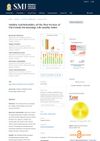 May 2023 in “Siriraj Medical Journal”
 This study demonstrated that the Thai version of the FDLQI is a valid and reliable tool for assessing the quality of life of family members of patients with dermatological diseases.
 45 citations
,
January 1999 in “Dermatology”
45 citations
,
January 1999 in “Dermatology” This study validated the VQ-Dermato, the first dermatology-specific quality of life instrument in French, and found it to be reliable, acceptable for routine use, and more responsive than the SF36.
 7 citations
,
March 2024 in “Scientific Reports”
7 citations
,
March 2024 in “Scientific Reports” This study reports that the new neighborhood face index (NFI) demonstrates a remarkably high correlation with the physiochemical properties of benzenoid hydrocarbons, highlighting its potential as a predictive tool.
4 citations
,
October 2007 in “PubMed” This study found that the PQ-70 shampoo formulation demonstrated the highest Hair Humidity Resistance Factor, indicating superior anti-frizz performance compared to other tested shampoos.
4 citations
,
June 2023 in “Pharmaceutical Biology” This study found that the Qing Cuo Formula significantly reduced serum androgen and inflammatory cytokine levels in hamsters with damp-heat acne and identified potential molecular mechanisms and active compounds involved.
 8 citations
,
August 2018 in “Anais Brasileiros De Dermatologia”
8 citations
,
August 2018 in “Anais Brasileiros De Dermatologia” Researchers translated and validated the WAA-QoL questionnaire into Brazilian Portuguese, finding it to be a reliable tool for assessing quality of life in women with female pattern hair loss.
 4 citations
,
January 2015 in “Journal of analytical & bioanalytical techniques”
4 citations
,
January 2015 in “Journal of analytical & bioanalytical techniques” This study developed a rapid and sensitive method for determining finasteride concentrations in pharmaceuticals, with results comparable to those from the standard HPLC method.
![Patent Evaluation: Hexahydrobenzo[f]quinolines as 5α-Reductase Inhibitors](/images/assets/1634373b-f615-46c7-a157-21394e3366be/small/21095.jpg) June 1993 in “Current opinion in therapeutic patents”
June 1993 in “Current opinion in therapeutic patents” This study reports that novel hexahydrobenzoquinolin compounds fully inhibited 5α-reductase activity in human genital skin fibroblasts, suggesting their potential for treating conditions like benign prostatic hyperplasia and male pattern baldness.
2 citations
,
July 2024 in “Journal of Cosmetic Dermatology” The HAIR-Q is a reliable tool for assessing patient satisfaction with hair loss treatments.
 April 2024 in “International journal of community medicine and public health/International journall of community medicine and public health”
 In this study, researchers found that female pattern hair loss significantly reduces quality of life, particularly affecting younger women who experience more stigmatization, poorer emotional stability, and higher dermatology life quality index scores compared to older women.
1 citations
,
November 2025 in “International Journal of Dermatology” This study developed the Alopecia Areata Children's Quality of Life Index (AAcQLI) to assess quality of life in children with alopecia areata, demonstrating good reliability and validity in initial tests.
1 citations
,
December 2023 in “Value in Health” This study assessed the effectiveness of the EQ-5D in measuring health-related quality of life for alopecia areata patients and found it may not accurately capture the burden of the condition, particularly its psychosocial impact, compared to other more condition-specific measures.
 27 citations
,
January 2016 in “Quality of Life Research”
27 citations
,
January 2016 in “Quality of Life Research” This study developed and validated a 50-item questionnaire, the PCOSQ-50, to effectively assess the quality of life in Iranian women with polycystic ovary syndrome, addressing aspects often missed by previous questionnaires.
 November 2023 in “The journal of investigative dermatology/Journal of investigative dermatology”
 This study found that engineered high-affinity soluble CD200R agonists, including ARQ-234, showed superior efficacy in reducing immune responses in various preclinical models of inflammatory conditions, suggesting potential as a therapeutic for atopic dermatitis and other related diseases.
19 citations
,
February 2018 in “International Journal of Endocrinology and Metabolism” This study found that the revised 43-item PCOSQ had better validity and reliability than the original version, although further studies are needed to assess its predictive efficacy.
September 2017 in “Journal of Investigative Dermatology” QMSI effectively maps and quantifies drug distribution in skin tissues.
 August 2023 in “Journal of Cosmetic Dermatology”
 This study found that intradermal QR678 Neo® therapy improved scalp condition in men and women with seborrheic dermatitis unresponsive to standard treatments, reducing flaking and inflammation after eight sessions, with high patient satisfaction reported.
18 citations
,
September 2024 in “Journal of the European Academy of Dermatology and Venereology” This review found that the DLQI is widely used as a benchmark in the development and validation of dermatology quality-of-life measures.
3 citations
,
November 2023 in “BMC Public Health” In this study, EQ-5D-5L and SF-6DV2 showed suitable measurement properties in assessing health utility among Chinese university staff and students, though they reported differences in sensitivity and cannot be used interchangeably.
November 2025 in “Bioactive Materials” In this study, researchers developed a novel nucleic acid nanoparticle system incorporating quercetin, which they found enhances functional hair follicle regeneration and maintains epithelial structure stability in androgenetic alopecia by regulating hair follicle stem and dermal papilla cells.
 167 citations
,
January 2006 in “Gynecological Endocrinology”
167 citations
,
January 2006 in “Gynecological Endocrinology” This study found that women with polycystic ovary syndrome reported a poorer health-related quality of life compared to women in the general population and patients with other medical conditions.