36 citations
,
October 2008 in “European journal of paediatric neurology” This study found that pediatric patients on valproic acid may experience hair loss due to reduced zinc and biotinidase levels within the first 3 months, with zinc depletion continuing to contribute by the 6th month.
November 2024 in “Journal of Investigative Dermatology” This study identified PTEN as a key regulator in non-healing venous leg ulcers, suppressing immune responses and lymphangiogenesis, suggesting its potential as a therapeutic target for promoting VLU healing.
 6 citations
,
April 2013 in “International Journal of Dermatology”
6 citations
,
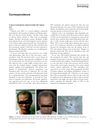
April 2013 in “International Journal of Dermatology” This correspondence article discusses a case of androgenetic alopecia treated with valproic acid but does not present new clinical findings.
 October 2021 in “Journal of Investigative Dermatology”
 This study found no significant difference in SARS-CoV2 IgG seroconversion rates between patients with immune-mediated inflammatory diseases treated with targeted immune-modulating therapies and those on conventional systemic treatments.
73 citations
,
October 2001 in “Epilepsia” In this study, valproic acid treatment was associated with reduced biotinidase activity and improved skin lesions after biotin supplementation in children with seizures.
15 citations
,
May 2006 in “Brain & development” The authors concluded that administering biotin may help prevent alopecia caused by reduced biotinidase activity during valproic acid therapy in rats.
December 2021 in “OPAL (Open@LaTrobe) (La Trobe University)” This study found that BBS7 is crucial for maintaining Sonic hedgehog signaling activity and periodontal ligament homeostasis, with changes in gene expression observed in occlusal hypofunctional PDL.
 January 2025 in “Recent Patents on Anti-Cancer Drug Discovery”
 In this study, neoadjuvant treatment with durvalumab combined with albumin-bound paclitaxel and carboplatin in patients with driver gene-negative stage III NSCLC showed a 65% objective response rate and was associated with high pathological response rates and improved immune function, with most adverse events being mild.
 September 2025 in “Indian Journal of Psychiatry”
 This study found that individuals taking valproate had a higher incidence of hair loss and reported an association between valproate levels, reduced biotinidase activity, and hair loss, compared to a control group.

This study identified a genetic locus associated with rhabdomyosarcoma susceptibility in mice and found that specific differentiation markers are linked to the regression of basal cell carcinoma.
29 citations
,
March 1987 in “Therapeutic Drug Monitoring” This study found that venous blood ammonia levels, particularly in patients taking valproate combined with other antiepileptic drugs, were significantly elevated compared to those on valproate alone.
October 2024 in “Frontiers in Oncology” This case study reports a novel mutation in the TRPV3 gene causing atypical Olmsted syndrome, characterized by disabling keratoderma and squamous cell carcinoma, highlighting the need for careful long-term monitoring in affected patients.
7 citations
,
February 2019 in “Veterinary medicine and science” This study reports the first identification of the deleterious NIPAL 4 variant, associated with autosomal recessive congenital ichthyosis, in an American Bully and describes its clinical management and follow-up.
 September 2011 in “Urology”
 This study explores the clinical significance of the intravesical prostatic protrusion/prostate volume ratio in diagnosing bladder outlet obstruction but reports no new results.
8 citations
,
March 2011 in “Endocrine” In this study, researchers identified a novel p.R50X mutation in the vitamin D receptor gene, linked to hereditary vitamin D-resistant rickets in two siblings.
11 citations
,
May 2011 in “The Journal of Dermatology” This case report describes a possible association between Vogt-Koyanagi-Harada disease and linear IgA/IgG bullous dermatosis in a 35-year-old Japanese male, though coincidence cannot be ruled out.
December 2021 in “Figshare” This study found that BBS7 downregulation in occlusal hypofunctional PDL affects Sonic hedgehog signaling activity, impacting PDL homeostasis.
 July 2014 in “Faculty Opinions – Post-Publication Peer Review of the Biomedical Literature”
 Applying valproic acid on the scalp increased hair growth in men with hair loss.
1 citations
,
October 2023 in “Animals” This study explored the genetic basis of fiber diameter in alpacas, identifying candidate genomic regions including four significant areas on VPA6, VPA9, VPA29, and an unassigned scaffold, using whole genome association analysis and a custom SNP microarray.
December 2021 in “Figshare” This study suggests that BBS7 is crucial for maintaining Sonic hedgehog signaling activity, which is important for periodontal ligament homeostasis under occlusal hypofunction conditions.
December 2021 in “Figshare” This study found that BBS7 expression is crucial for maintaining Sonic hedgehog signaling and periodontal ligament homeostasis in occlusal hypofunctional conditions.
 November 2022 in “The journal of investigative dermatology/Journal of investigative dermatology”
 This study suggests that varicella-zoster virus infection in skin cells may play a role in segmental vitiligo's progression and depigmentation.
July 2008 in “European Journal of Cancer Supplements” November 2022 in “Indian Journal of Dermatology/Indian journal of dermatology” In this case report, a 17-year-old male on sodium valproate therapy developed rare longitudinal melanonychia, suggesting sodium valproate can induce nail pigmentation as a side effect.
4 citations
,
April 2007 in “Journal of Pediatric Gastroenterology and Nutrition” This case report describes a 16-year-old liver transplant patient with previous chicken pox infection experiencing disseminated varicella zoster virus infection with pneumonia, highlighting the importance of early acyclovir treatment in immunocompromised patients.
28 citations
,
September 2014 in “Journal of Veterinary Internal Medicine” This study found that the novel drug VDC-1101 showed a 45% objective response rate in treating canine cutaneous T-cell lymphoma, offering a potential treatment option for this challenging disease.
 December 2021 in “Black sea journal of health science”
 This case report describes a 31-year-old male who developed eosinophilic pleuropericardial effusion potentially linked to long-term valproic acid use, which resolved after adjusting his medication.
This study identified a 14,883 bp genomic deletion affecting the Plcd1 and Vill genes as likely responsible for the abnormal phenotype observed in snthr-1Bao mice.
 2 citations
,
April 2020 in “bioRxiv (Cold Spring Harbor Laboratory)”
2 citations
,
April 2020 in “bioRxiv (Cold Spring Harbor Laboratory)” This article discusses the MendelVar webserver, which integrates Mendelian disease data with GWAS findings to prioritize candidate genes for complex traits and reports no new experimental results.
 84 citations
,
December 2018 in “Genetics in Medicine”
84 citations
,
December 2018 in “Genetics in Medicine” This article reviews evidence- and consensus-based recommendations for using pegvaliase in adults with PKU and reports no new clinical results.