2 citations
,
May 2021 in “International journal of molecular sciences” This study demonstrated that autologous mesenchymal stem cells from hair follicles, when combined with a novel gelatin-based hydrogel, showed promising osteogenic potential and could offer a non-invasive alternative for bone regeneration.
 2 citations
,
March 2021 in “Molecular Immunology”
2 citations
,
March 2021 in “Molecular Immunology” This review discusses the role of dermal macrophages in stress-induced hair regeneration and reports no new clinical findings, highlighting the need for further research into macrophage dynamics for potential hair loss therapies.
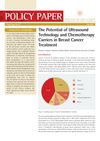
This policy paper explores the potential of using nanoscale carriers to deliver chemotherapy drugs directly to breast cancer tumors in the UAE, aiming to minimize harmful side effects and improve quality of life for patients by targeting only cancerous cells.
1 citations
,
December 2025 in “International Journal of Molecular Sciences” This review reports that chitosan-based systems with metal nanoparticles and polyphenols may enhance wound healing by improving the bioavailability and stability of these compounds, suggesting a potential new approach for chronic and diabetic wounds.
 1 citations
,
October 2025 in “International Journal of Nanomedicine”
1 citations
,
October 2025 in “International Journal of Nanomedicine” This review explores the potential for using exosomes in treating autoimmune skin diseases and promoting skin regeneration, highlighting current applications, delivery methods, and ongoing clinical trials while also identifying challenges and future research directions within dermatology.
 1 citations
,
September 2025 in “International Journal of Drug Delivery Technology”
1 citations
,
September 2025 in “International Journal of Drug Delivery Technology” This randomized controlled study reported that combining Ecklonia cava with Diane-35 significantly improved weight, waist circumference, hormonal balance, and inflammation markers in women with polycystic ovary syndrome over three months compared to Diane-35 alone.
 1 citations
,
January 2025 in “Frontiers in Pharmacology”
1 citations
,
January 2025 in “Frontiers in Pharmacology” This review discusses the therapeutic and pharmacological potential of total glucosides of paeony in dermatological treatment and notes the need for more rigorous scientific studies.
1 citations
,
April 2024 in “Cells” This review summarizes recent insights into corneal limbal stem cell differentiation and the potential role of progenitor-like cells, but reports no new experimental results.
 1 citations
,
January 2024 in “Advances in Engineering Technology Research”
1 citations
,
January 2024 in “Advances in Engineering Technology Research” This study found that bone marrow mesenchymal stem cells from Guizhou miniature pigs showed stable growth and multidirectional differentiation potential, making them ideal for tissue engineering applications.
 1 citations
,
November 2023 in “Naunyn-Schmiedeberg's archives of pharmacology”
1 citations
,
November 2023 in “Naunyn-Schmiedeberg's archives of pharmacology” This review focused on the bioactive compounds and pharmacological properties of Lawsonia inermis (henna) and found that it contains various beneficial compounds with potential therapeutic applications, such as antioxidant and anti-inflammatory effects, indicating a need for further investigation into its medical benefits.
 1 citations
,
April 2023 in “Frontiers in Immunology”
1 citations
,
April 2023 in “Frontiers in Immunology” This review explored recent research on the immune mechanisms and potential therapeutic targets for alopecia areata, highlighting the roles of immune-related cells, autocrine and paracrine signaling, as well as factors like adipose-derived stem cells and gut microbiota in disease pathogenesis.
 1 citations
,
August 2020 in “Food Research”
1 citations
,
August 2020 in “Food Research” This review discusses management strategies for androgenic alopecia using plant derivatives and highlights the need for prolonged efficacy but reports no new clinical findings.
 1 citations
,
January 2020 in “Research Square (Research Square)”
1 citations
,
January 2020 in “Research Square (Research Square)” This study found that ethyl acetate extract of Musa × pardisiaca L. leaves showed anticancer activity against cervical carcinoma and malignant melanoma in vitro.
1 citations
,
February 2013 in “Steroids” In this study, a deproteinized bone mineral showed potential to increase DHT production, suggesting an anabolic effect on human periosteal fibroblasts with possible implications for wound healing.
1 citations
,
June 2006 in “Experimental dermatology” In this study, researchers identified similar presence of various nicotinic and muscarinic AChRs in lesional and normal epidermis, suggesting that tobacco-delivered nicotine may exacerbate acne inversa by interacting with endogenously produced acetylcholine.
 1 citations
,
October 2002 in “Dermatologic Surgery”
1 citations
,
October 2002 in “Dermatologic Surgery” This review summarizes expert opinions on the use of approved pharmacologic treatments alongside hair transplantation, highlighting their potential to enhance hair density and regrowth speed while reducing further hair loss, but reports no new clinical trial results.
July 2026 in “Jurnal Kesehatan” This review of preclinical studies suggests that topical metformin could aid diabetic wound healing via multiple pathways, but emphasizes the need for further clinical trials to confirm its safety and efficacy.
June 2026 in “Integrative Medicine Research” In a testosterone-induced mouse model of androgenetic alopecia, this study found that oral and topical administration of Connarus semidecandrus Jack ethanol extract promoted hair regrowth and improved hair health markers similar to finasteride, without detectable liver or kidney toxicity.
 May 2026 in “Zenodo (CERN European Organization for Nuclear Research)”
 This review highlights the therapeutic potential of Ziziphus mauritiana and Black Seed Oil in herbal hair care products, reporting their antioxidant, antimicrobial, and anti-inflammatory properties, which may help address issues like hair fall and scalp irritation while serving as promising natural alternatives to synthetic solutions.
 May 2026 in “Zenodo (CERN European Organization for Nuclear Research)”
 This review concludes that herbal formulations containing Ziziphus mauritiana and Black Seed Oil may offer a promising natural alternative for managing hair-related issues like dandruff, hair fall, and scalp irritation.
 May 2026 in “Archives of Dermatological Research”
 This study found that treating human hair with vitamin E and γ-oryzanol significantly reduced UV-B-induced structural damage, with γ-oryzanol providing greater protection, especially in female hair samples. The findings highlight these compounds' potential as cost-effective solutions for preserving hair integrity against UV damage.
May 2026 in “World Journal of Stem Cells” In this study, researchers found that hypoxic preconditioning significantly improved the regenerative potential of aged adipose-derived mesenchymal stem cells, enhancing their growth, differentiation, and pro-angiogenic capabilities, suggesting a promising strategy for autologous regenerative medicine applications.
April 2026 in “Ekologiya Cheloveka (Human Ecology)” This review discusses current research on cosmetic formulations, especially those involving dihydroquercetin combined with other compounds, for promoting eyelash and eyebrow growth, noting challenges with solubility and bioavailability and the potential need for further studies to validate efficacy and safety.
 April 2026 in “Frontiers in Cell and Developmental Biology”
 This study found that CD200-negative human hair follicle bulge cells have a higher hair-regenerative capability compared to CD200-positive cells, suggesting that reduced CD200 expression may enhance hair regeneration, providing insights for improving bulge cell-based hair restoration techniques.
 April 2026 in “Institutional Repositories DataBase (IRDB)”
 This study investigated human hair follicle bulge cells and found that those with reduced CD200 expression exhibited enhanced hair regenerative capability, refining the functional understanding of bulge cell heterogeneity and providing insights for optimizing bulge cell–based hair regeneration techniques.
March 2026 in “Pharmaceutical Biology” This review discusses the potential of asiaticoside from Centella asiatica for enhancing wound healing after endoscopic submucosal dissection and highlights delivery strategies to improve its gastrointestinal application; it reports no new clinical results.
 February 2026 in “International Journal on Science and Technology”
 This review discusses the potential benefits of Vitex negundo for managing polycystic ovarian disease, highlighting its promising effects in animal models, but notes that more rigorous human trials are needed to confirm these findings.
 February 2026 in “Journal of Integrative Neuroscience”
 In this study, transplantation of hair follicle stem cells and nerve growth factor-modified stem cells significantly reduced amyloid deposition and tau hyperphosphorylation in an Alzheimer's disease rat model, suggesting potential as a treatment option.
 January 2026 in “Applied Biological Chemistry”
 This study found that Ishophloroglucin A from brown seaweed may treat androgenic alopecia by inhibiting 5α-reductase and promoting hair growth-related factors in human dermal papilla cells.
 January 2026 in “International Journal of Current Research and Review”
 This review of Adiantum capillus-veneris highlights its traditional medicinal uses, rich phytochemical profile, and broad range of pharmacological activities, but emphasizes the need for more research to validate and expand its therapeutic applications.