 January 2024 in “Pharmacophore”
 This source discusses the potential of integrating herbal extracts with nanotechnology in skincare products, highlighting improved effectiveness and targeted delivery of active ingredients to skin cells compared to traditional formulations.

This monograph reviews the historical and contemporary use of pomegranate in medicine, detailing its chemical components and applications across various medical fields including oncology, dentistry, and urology.
 December 2023 in “Frontiers in microbiology”
 This study reported that mannan oligosaccharides improved the fur quality, immune response, antioxidant status, and gut microbiota of fur-growing raccoon dogs, suggesting they could potentially replace antibiotics in their diet.
 December 2023 in “PubMed”
 This study highlights that homemade topical herbal preparations, although popular for their perceived safety, may lead to allergic reactions, notably with Mediterranean herbs, and advises cautious use, particularly for allergy-prone individuals.
 November 2023 in “International journal of Ayurveda and pharma research”
 This study prepared and evaluated a polyherbal hair oil using plant-based ingredients, finding that it met standard parameters and effectively addressed hair problems such as growth and dandruff, with FDA approval for clinical use.
 May 2023 in “Acta Universitatis Agriculturae et Silviculturae Mendelianae Brunensis”
 This study found that royal jelly extract, popular for surgical wound healing, contains stable levels of flavonoids and phenols for up to 28 days.

This article reviews various topics including medically important plants in dermatology, supporting medicinal herbs for primary dysmenorrhea, and several drug delivery systems, without providing new clinical findings.
 September 2022 in “Research Square (Research Square)”
 This study found that caffeic acid treatment mitigated the negative effects of acrylamide toxicity in Wistar rats by normalizing tissue and serological indices.
 February 2022 in “Programa de Iniciação Científica - PIC/UniCEUB - Relatórios de Pesquisa”
 This study found that PRP treatment showed better results than injectable minoxidil for reducing hair loss and promoting hair growth, with noticeable effects after the second application.
This book overview summarizes advances in integrative dermatology without presenting any new research findings.
This study characterized the physical-chemical properties of Eclipta alba and identified compounds in the plant that could support its use in developing hair loss treatments.
 July 2012 in “Ubaya Repository (University of Surabaya)”
 This study found that hair growth gel and tonic containing red grape seed extract were physically and chemically unstable under high temperature and humidity conditions over 30 days.
 January 1987 in “Side effects of drugs annual”
 This chapter reviews dermatological drugs and cosmetics, identifying common allergens and preservatives linked to contact dermatitis without reporting new clinical results.
 25 citations
,
June 2017 in “Molecular and Cellular Endocrinology”
25 citations
,
June 2017 in “Molecular and Cellular Endocrinology” This review discusses the negative effects of anabolic androgenic steroids on various organ systems in men and reports no new results, highlighting the need for physician awareness.
 2 citations
,
January 2016 in “Skin pharmacology and physiology”
2 citations
,
January 2016 in “Skin pharmacology and physiology” This study found that seed oil of Caragana korshinskii demonstrated high antifungal efficacy against Trichophyton mentagrophytes in an in vivo guinea pig model of dermatophytosis.
9 citations
,
January 2013 in “BioMed research international” This article suggests targeting the water activity within pilosebaceous follicles using biocompatible solutes like xylose and sucrose as a new potential topical treatment for acne.
June 2021 in “Journal of Pharmaceutical Care Anwar Medika” This study investigated the physical stability of hair tonic formulations made from ethanol extract of cayenne pepper leaves, finding that formulations with specific concentrations of propylene glycol and ethanol had good physical stability.
 January 2026 in “RIGGS Journal of Artificial Intelligence and Digital Business”
 This study analyzed the formulation and stability of pomade containing peppermint oil and minoxidil, determining that a particular formulation with 1% paraffin yielded optimal physical and stability characteristics for promoting hair growth, making it the best choice among the tested options.
This study found that glycerol most significantly influenced the spreadability and initial viscosity of a saw palmetto anti-hair loss cream, while PEG 400 predominantly affected viscosity changes over time.
June 2025 in “Healthy-Mu Journal” The optimized Cinchonine gel effectively fights acne bacteria and is safe for twice-daily use.
 1 citations
,
September 2024 in “Jurnal Ilmiah JKA (Jurnal Kesehatan Aeromedika)”
1 citations
,
September 2024 in “Jurnal Ilmiah JKA (Jurnal Kesehatan Aeromedika)” This study found that red galangal rhizome simplicia extract demonstrated the strongest antibacterial effect against Propionibacterium acnes among tested extracts, achieving a 31.5 mm inhibitory zone at a 20% concentration.
The best mix of propylene glycol and sorbitol was found for a cream to prevent hair loss using saw palmetto extract.
June 2026 in “Frontiers in Physiology” In this study, a topical cream containing 3% lactic acid ferment lysate (VHProbi ® MixP) was found to significantly reduce sebum, porphyrin levels, and pore size, while increasing hydration and improving skin texture in participants with oily skin over a 60-day period.
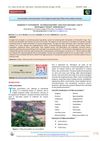 March 2023 in “International journal of pharmaceutical sciences review and research”
 In this study, an Emulgel containing Tridax procumbens extract was formulated and found to have promising physical properties and antimicrobial activity for wound healing.
 January 2026 in “RSC Advances”
 This study found that the natural polymer-based hydrogel Gel/SA@PL released growth factors in a controlled way, which enhanced tissue regeneration and minimized scarring in the healing of diabetic wounds.
 March 2026 in “Collagen and Leather”
 This study found that a newly developed supramolecular FPC hydrogel effectively promotes wound healing through its anti-inflammatory and angiogenic properties, making it a promising material for wilderness first aid due to its storage convenience, sprayability, and ability to speed up wound recovery.
 April 2017 in “Journal of Investigative Dermatology”
 This study found that 10% carbamide peroxide significantly reduced acne lesions compared to a vehicle solution, suggesting it as an effective and safe alternative to benzoyl peroxide for treating mild to moderate acne.
 August 2023 in “Processes”
 This study found that fermenting Dendrobium officinale with Lactiplantibacillus plantarum CCFM8661 and other strains increased polysaccharide yields and skin care activity, particularly with CCFM8631, which showed significant improvements in skin cell protection and inflammation reduction in both cell cultures and mouse models.
 November 2022 in “Journal of Investigative Dermatology”
 This study found that DermaCult™ Keratinocyte Expansion Medium allows for significantly extended growth of human epidermal keratinocytes while maintaining their differentiation potential.
January 2025 in “Regenerative Biomaterials” In this study, a cerium-polypeptide hydrogel was found to effectively treat MRSA-infected wounds by promoting faster wound repair and reducing inflammation compared to a standard hydrogel.