 1 citations
,
March 2022 in “Journal of burn care & research”
1 citations
,
March 2022 in “Journal of burn care & research” This case study highlights that even professional eyebrow tinting can lead to chemical burns, and increasing consumer awareness is crucial as its popularity grows and unregulated products become more common.
 September 2023 in “Journal of The American Academy of Dermatology”
 In this study, researchers evaluated how subjects perceive the effectiveness of three FDA-cleared photobiomodulation devices for home use in treating androgenetic alopecia, though specific outcomes or comparative effectiveness are not reported in the abstract.
 September 2025 in “International Journal of Innovative Technologies in Social Science”
 This article reviews the versatile applications of red and infrared light therapy, reporting that these treatments can enhance skin health by modulating cellular processes such as RNA and protein synthesis, oxygen consumption, and reducing oxidative stress and inflammation.
 54 citations
,
October 2002 in “Journal of controlled release”
54 citations
,
October 2002 in “Journal of controlled release” This study found that increasing a drug's lipophilicity and adding ethanol to the donor phase can enhance its delivery to the hair follicle, although the precise transport mechanism remains unclear.
 21 citations
,
December 2016 in “European journal of pharmaceutics and biopharmaceutics”
21 citations
,
December 2016 in “European journal of pharmaceutics and biopharmaceutics” This study found that nano-sized lipid particles improved the skin accumulation and retention of dexamethasone compared to a base cream, suggesting potential benefits for inflammatory skin disease treatment.
 2 citations
,
August 2008 in “Journal of Liaquat University of Medical & Health Sciences”
2 citations
,
August 2008 in “Journal of Liaquat University of Medical & Health Sciences” This case report describes a twenty-year-old woman misdiagnosed with a sebaceous cyst that was actually pilomatrixoma, a benign skin lesion from hair matrix cells, confirmed by histopathology after excision.
 August 2026 in “Clinical Cosmetic and Investigational Dermatology”
 In this study, combining Polynucleotides High Purification Technology with hyaluronic acid significantly reduced atrophic post-acne scar areas and improved Goodman-Baron scores in a majority of treated patients over six months, reaffirming the approach's beneficial effects in a real-world outpatient setting.
This study reported that pentoxifylline-loaded liposomes, optimized using a statistical design method, achieved a maximum encapsulation efficiency of 84.23% and a controlled 72-hour drug release, potentially improving therapeutic delivery of the drug with limited bioavailability.
 3 citations
,
August 2019 in “International Journal of Dermatology”
3 citations
,
August 2019 in “International Journal of Dermatology” In this observational study, dermoscopy was found to be a useful tool in diagnosing lichen planopilaris among patients with primary cicatricial alopecia.
 January 2022 in “Revista Dermatológica Centro Uraga”
 This article reviews two cases of monilethrix in siblings, detailing their clinical and dermatoscopic characteristics, but reports no new findings.
January 2026 in “International Journal of Surgery Case Reports” This case series reports that home use of intense pulsed light devices may effectively reduce hair burden and prevent recurrence of pilonidal disease in patients unable to regularly attend clinic sessions.
June 2025 in “British Journal of Dermatology” This study introduces ALUDWIG, an automated tool for assessing female androgenic alopecia severity from smartphone images, which may offer a more consistent alternative to current scoring methods like the Ludwig scale.
November 2022 in “Munich Personal RePEc Archive (Ludwig Maximilian University of Munich)” In this study, the pi4kβ1β2 double mutant in Arabidopsis thaliana exhibited altered root growth, increased susceptibility to Blumeria graminis, and a potential correlation between PI4K activity and auxin response and immunity due to changes in vesicular trafficking and actin filaments.
 November 2025 in “International Journal of Advanced Research”
 In this case report, PRP therapy led to almost complete clearance of hypopigmentation in a 28-year-old Caucasian female after laser hair removal, suggesting PRP could be a promising treatment option for various hypopigmentation conditions.
November 2025 in “Scientific Reports” In this experimental study, researchers found that Notopterygii rhizoma et radix (Qiang Huo) significantly alleviated psoriasis symptoms in mice and cell models, primarily by modulating the PI3K/Akt/mTOR pathway, indicating potential as a multi-target alternative therapy for psoriasis treatment.

This article is a medical index book on disorders in obstetric practice and reports no new clinical results.
 April 2023 in “Journal of Investigative Dermatology”
 This study found variation in erythema induction across skin types, suggesting different SSR dose responses and highlighting a potential model for tailoring anti-inflammatory treatments.
 February 2024 in “Journal of Cosmetic Dermatology”
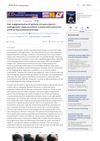
 White hair patch repigmented and hair regrew in a balding patient after treatment with exosomes and laser.
 September 2025 in “ACS Applied Materials & Interfaces”
 The researchers reported that a newly developed photo-cross-linked hydrogel with multifunctional properties, including antimicrobial and antioxidant effects, significantly improved diabetic wound healing, achieving over 90% wound closure in seven days in vivo.
2 citations
,
December 2024 in “Journal of Photochemistry and Photobiology B Biology” This study suggests that pulsed wave photobiomodulation could be a promising treatment for androgenetic alopecia by enhancing dermal papilla cell function through specific light parameters, particularly frequency.
 32 citations
,
January 2008 in “Journal of Microencapsulation”
32 citations
,
January 2008 in “Journal of Microencapsulation” In this study, nanocapsule-based preparations containing hinokitiol promoted hair growth in mice comparably to Minoxidil solution, as indicated by photographic and histological analysis.
9 citations
,
January 2021 in “Acta Cirúrgica Brasileira” This study found that DPG promoted wound healing in rat skin, with increased collagen I density, particularly evident within the first 14 days after injury.
 January 2024 in “Biological & pharmaceutical bulletin”
 In this study, Panax ginseng extract and its ginsenosides were found to stimulate the proliferation of hair-related cells and promote the transition from the telogen to the anagen phase, enhancing hair-shaft growth by suppressing BMP4 expression in human dermal papilla cells.
 May 2022 in “Annals of Oncology”
 This study found that photobiomodulation may accelerate hair regrowth one month after chemotherapy in breast cancer patients, but no significant differences were observed at two and three months post-therapy.
March 2023 in “Asian Journal of Beauty and Cosmetology” This study found that the herbal extract HX109 promoted hair growth in mice by increasing cell viability and enhancing hair regrowth, with the effects increasing as doses rose.
This review of existing literature reports that photobiomodulation shows high effectiveness and safety in treating dermatological conditions like acne, psoriasis, and alopecia, though standardized clinical trials are needed to further validate its therapeutic benefits.
 6 citations
,
April 2010 in “Cellular Reprogramming”
6 citations
,
April 2010 in “Cellular Reprogramming” The study characterized the transcriptional changes in porcine SKP cells transitioning to fibroblast-like cells, indicating potential roles for specific signaling pathways in this cell fate transition.
July 2026 in “Journal of Investigative Dermatology”  11 citations
,
October 2019 in “Journal of Cancer Immunology”
11 citations
,
October 2019 in “Journal of Cancer Immunology” This article discusses the role of external beam radiotherapy as a primary treatment method for cancer and reports no new clinical findings.
11 citations
,
April 1991 in “Journal of Veterinary Diagnostic Investigation” In this case report, photosensitization occurred in Shorthorn calves from three herds in Missouri, with skin lesions and mild liver damage, but affected calves recovered within three weeks.