 April 2026 in “International Journal of Drug Delivery Technology”
 In this study, researchers developed and tested a polyherbal dry powder shampoo using natural ingredients like Neem and Aloe vera, reporting good foaming ability, appropriate pH, no skin irritation, and stability, suggesting it as a safe and affordable alternative to synthetic shampoos.
 February 2025 in “Journal of Pharma Insights and Research.”
 In this study, researchers developed a novel dry shampoo powder using traditional Indian botanicals and found that it demonstrated effective cleansing properties, favorable physicochemical characteristics, and no adverse effects in animal safety evaluations, offering an eco-friendly alternative to synthetic shampoos.
 June 2025 in “INTERANTIONAL JOURNAL OF SCIENTIFIC RESEARCH IN ENGINEERING AND MANAGEMENT”
 This study assessed a herbal dry shampoo comprising natural ingredients like Shikakai and Reetha, finding it effectively passed physicochemical tests but highlighted the need for more research to optimize product quality and safety.
 April 2025 in “Journal for Research in Applied Sciences and Biotechnology”
 This study evaluated three herbal powder shampoo formulations, reporting that Formulation 1, with a balance of cleansing and hydration, is most suitable for general scalp health and hair softness, while Formulation 3, with its higher cleansing power, is better for oily hair.
 May 2026 in “International Journal of Pharmacognosy and Life Science”
 This research evaluated a polyherbal powder shampoo using natural ingredients, finding it to be a stable, effective, and safe alternative to chemical-based shampoos, with no irritation and good usability.

This study formulated an herbal anti-dandruff shampoo powder using Nyctanthes arbortristis as the main ingredient, and found that it exhibited significant anti-dandruff properties, beneficial physicochemical characteristics, and promising in-vitro results compared to a marketed medicated product.
 July 2022 in “International journal of Ayurvedic medicine”
 This study evaluated a newly formulated polyherbal anti-dandruff shampoo that incorporates natural ingredients, such as Neem and Aloe vera, to effectively clean hair, control dandruff, and promote hair growth without using harmful synthetic chemicals.
 June 2024 in “International Journal For Multidisciplinary Research”
 This study aims to develop and evaluate herbal shampoo powder made from natural ingredients, focusing on its efficacy in removing debris and dandruff, enhancing hair development and shine, and strengthening and darkening hair. Results are not reported.
 October 2023 in “Arab Gulf journal of scientific research”
 This study found that adding Cinnamomum zeylanicum bark extract to a powder shampoo formulation significantly improved antioxidant activity without affecting its cleansing ability, although its clinical effectiveness remains to be tested.
 December 2025 in “Journal of Pharma Insights and Research.”
 This study explains the formulation and evaluation of a natural polyherbal shampoo, which effectively colors hair and provides conditioning without the dermal and systemic toxicity risks of synthetic dyes, offering an effective alternative to conventional products.
 April 2026 in “International Journal for Research in Applied Science and Engineering Technology”
 In this study, the developed polyherbal shampoo with Hibiscus rosa-sinensis exhibited good stability and cleansing properties, suggesting it may be an effective natural alternative to synthetic anti-hair fall products.
25 citations
,
January 2019 in “Journal of Pharmacy And Bioallied Sciences” This study concluded that the formulated polyherbal shampoo is a chemical-free product with nourishing, conditioning, cleansing, and antimicrobial effects.
 February 2026 in “International Journal of Advanced Research in Science Communication and Technology”
 In this review, researchers explored the potential of herbal shampoos as effective and safe alternatives to conventional anti-dandruff treatments, highlighting that polyherbal formulations may offer comparable or superior benefits with fewer side effects.
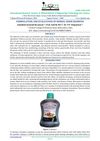 January 2024 in “International Research Journal of Modernization in Engineering Technology and Science”
 This study formulated a poly-herbal shampoo using ingredients like hibiscus, neem, and alo-vera and evaluated its cosmetic properties, reporting positive organoleptic and physico-chemical characteristics, with the potential for safe use as a hair cleansing and conditioning product.
 December 2022 in “Research journal of topical and cosmetic sciences”
 This study evaluated a herbal anti-dandruff hair wash powder, TRICHONEMTM, composed of eighteen herbal ingredients, reporting effective in vitro anti-dandruff activity and high user satisfaction in a 4-week pilot trial involving 50 women, without causing irritation.
 December 2023 in “World Journal Of Advanced Research and Reviews”
 In this research, a chemical-free herbal hair mask was formulated and evaluated in the laboratory, aiming to strengthen hair follicles, remove dirt and dandruff, and darken hair color, with the goal of treating hair problems without adverse effects associated with synthetic products.
 March 2024 in “International Research Journal of Modernization in Engineering Technology and Science”
 In this study, researchers developed a herbal shampoo using natural plant extracts, which maintained physicochemical properties and improved hair texture without the side effects commonly associated with synthetic ingredients.
 June 2025 in “International Journal for Research in Applied Science and Engineering Technology”
 This study evaluated the physicochemical properties of an herbal shampoo formulated with natural ingredients like hibiscus and henna and compared it to a common marketed shampoo, finding it effectively replaced some chemical components with safer alternatives while maintaining similar characteristics.
 February 2025 in “International Journal for Research in Applied Science and Engineering Technology”
 In this study, researchers evaluated a multi-herbal shampoo made with natural components like aloe and hibiscus, reporting it as safer and more effective than synthetic options, though consumer acceptance remains a challenge.
 January 2025 in “International Journal for Research Trends and Innovation”
 This study assessed a herbal hair oil made from various plant ingredients, observing it supported hair growth and maintained stability for 45 days, with the phytochemical profile indicating the presence of saponins, sulfur, and ascorbic acid.
 1 citations
,
December 2019 in “International journal of innovative technology and exploring engineering”
1 citations
,
December 2019 in “International journal of innovative technology and exploring engineering” This study aimed to develop organic oil and shampoo using fish scales and herbs to potentially improve hair strength, growth, and moisture, addressing hair issues like thinning and greying.
 April 2026 in “International Journal of Allied Medical Sciences and Clinical Research”
 In this study, researchers formulated an herbal hair serum with plant extracts like Hibiscus and Nigella and observed that it demonstrated acceptable physical properties and potential anti-dandruff activity, proposing it as a safe and effective alternative to synthetic hair care products.

This study reports that a polyherbal hair mask made from ingredients like strawberry, amla, and fenugreek demonstrates effectiveness as a non-toxic alternative to chemical hair products, promoting hair growth and scalp nourishment while offering ease of use and stability.
 November 2023 in “International journal of Ayurveda and pharma research”
 This study prepared and evaluated a polyherbal hair oil using plant-based ingredients, finding that it met standard parameters and effectively addressed hair problems such as growth and dandruff, with FDA approval for clinical use.
 May 2025 in “International Journal for Research in Applied Science and Engineering Technology”
 This study reviewed the effectiveness and quality assessment of herbal shampoos made with traditional medicinal herbs, reporting that they offer a sustainable, eco-friendly, and safe way to promote hair and scalp health, aligning with contemporary wellness trends.
 October 2025 in “International Journal of Research and Review”
 This study highlights the potential benefits of herbal soaps and shampoo bars as eco-friendly alternatives to conventional cosmetics, noting their antibacterial, antifungal, and antioxidant properties as well as sustainability advantages such as reduced plastic use and avoidance of synthetic chemicals.
 November 2024 in “International Journal of Biology Pharmacy and Allied Sciences”
 This study aimed to evaluate a herbal shampoo made from custard apple leaves for its physical properties, skin irritability, and foam formation, with a focus on efficacy and safety, particularly for addressing hair issues like lice infection.
 January 2022 in “Journal of pharmacognosy and phytochemistry”
 This study found that a polyherbal gel made from guava leaves, amla, and aloe is effective against candidiasis on the skin, with additional benefits of nourishing hair and preventing premature graying.

In this study, Neeli Bhringadi hair oil showed statistically significant improvements in hair growth rate, density, thickness, and reduction in premature graying on participants with androgenetic alopecia and hair graying over 120 days, supporting its potential use in integrative hair care.
 June 2026 in “International Journal of Drug Delivery Technology”
 In this study, researchers developed a polyherbal hair growth oil using botanical substances and base oils like coconut and castor oil, finding it to be stable, non-irritating, and suggesting potential hair-growing properties through mechanisms such as scalp blood flow improvement and anti-inflammatory effects.