 45 citations
,
July 2002 in “The Neurologist”
45 citations
,
July 2002 in “The Neurologist” This article reviews the challenges of using disease-modifying therapy for multiple sclerosis and offers strategies to improve treatment adherence and manage adverse effects, but reports no new clinical findings.
 July 2025 in “Journal of Investigative Dermatology”
 In this study, AMP-303 injections demonstrated a trend toward increasing non-vellus hair count in men with mild to moderate androgenetic alopecia, notably showing a 14.5% peak increase at 60 days compared to saline, with effects lasting up to five months.
40 citations
,
October 2004 in “Veterinary Dermatology” In this study, trilostane treatment led to complete hair re-growth in 85% of Pomeranians and all miniature poodles with alopecia X within 4 to 8 weeks.
97 citations
,
January 2006 in “Dermatology” This study found that intramuscular triamcinolone acetonide or pulse therapy effectively treats alopecia areata with manageable side effects, but further strategies are needed to reduce relapse rates.
 May 2015 in “Journal of The American Academy of Dermatology”
 Both azathioprine and betamethasone treatments help with hair regrowth in alopecia areata, but azathioprine may have fewer side effects.
 2 citations
,
December 2020 in “American Journal of Dermatological Research and Reviews”
2 citations
,
December 2020 in “American Journal of Dermatological Research and Reviews” This study found that combining 308-excimer phototherapy with intramuscular triamcinolone acetonide was effective and well tolerated for treating resistant alopecia totalis, showing a 90% overall response rate in the ten patients studied, with the best results observed in younger patients.
 September 2024 in “Journal of Anatomy and Histopathology”
 In this study, researchers found that topical application of 3-β-methoxy-Δ18-oleanene (miliacin) in mice sped up the recovery of hair follicles damaged by cyclophosphamide, moving them into a new hair growth cycle more quickly compared to controls.
 July 2026 in “Journal of Ovarian Research”
 In this review, researchers provided a comprehensive analysis of anti-androgen therapies for polyendocrine metabolic ovarian syndrome (PMOS/PCOS), examining their efficacy and safety while proposing a phenotype-guided management framework and highlighting research gaps, such as long-term cardiovascular safety and predictive biomarkers.
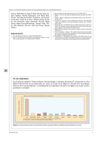
The document corrects a mistake by stating that pimecrolimus, not tacrolimus, is the drug that concentrates in the skin.
 September 2025 in “Arthritis Research & Therapy”
 In this study, researchers found that the compound BMS-470539 induced a senescence-like state in fibroblasts from systemic sclerosis patients, reducing fibrosis-associated markers in vitro and decreasing skin thickness in a mouse model of skin fibrosis, suggesting a novel therapeutic strategy for managing fibroblast-driven diseases.
2 citations
,
May 2023 in “Biology” This study developed and characterized new mouse models of Pemphigus that mimic different forms of the disease, but treatment with Methyl-Prednisolone showed only partial effectiveness.
 January 2025 in “The Egyptian Journal of Hospital Medicine”
 This study observed significant repigmentation in localized stable vitiligo lesions treated with oral baricitinib, with even more improvement when combined with topical tacrolimus, and reported no side effects.
 October 2014 in “Aktuelle Dermatologie”
 This study reports that elderly men with baldness and comorbid conditions experienced persistent scalp erosions following topical treatment with imiquimod or diclofenac, suggesting alternative therapies should be considered for this group.
 25 citations
,
July 2016 in “The journal of investigative dermatology/Journal of investigative dermatology”
25 citations
,
July 2016 in “The journal of investigative dermatology/Journal of investigative dermatology” This study found that applying topical imiquimod during mid and late telogen in mice activates hair follicle stem cells and influences immune cell infiltration, promoting hair cycle entry independently of Wnt signaling.
 August 2018 in “Journal of The American Academy of Dermatology”
 Different treatments for skin conditions were found to be effective and generally safe, with biologics recommended as the first choice for generalized pustular psoriasis.
 April 2025 in “BMC Immunology”
 This study highlights the role of immune dysregulation, microRNA modulation, and SIRT1 pathways in alopecia areata, suggesting antisense oligonucleotides targeting miR-485-3p as a promising therapeutic strategy for promoting hair regrowth and reducing inflammation in murine models.
51 citations
,
May 2004 in “American journal of ophthalmology” This study reports that poliosis can be an adverse effect of topical prostaglandin F2α analog therapy in patients treated for primary open angle glaucoma.
 November 2025 in “Journal of Pharmaceutical Research International”
 This study reviewed 18 studies on the effects of ustekinumab and vedolizumab on alopecia in ulcerative colitis patients, finding varied outcomes ranging from significant hair regrowth to increased hair loss, with 65.5% experiencing regrowth and potential therapy benefits needing further exploration in larger trials.
 May 2025 in “The Journal of Rheumatology”
 In this case report, two patients with polyautoimmunity and difficult-to-treat lupus erythematosus experienced significant symptom improvement after adding anifrolumab to their regimen, suggesting its potential as an effective add-on therapy for refractory cutaneous symptoms in autoimmune conditions characterized by elevated interferon alpha activity.
 11 citations
,
May 2010 in “Journal of the South African Veterinary Association”
11 citations
,
May 2010 in “Journal of the South African Veterinary Association” This case report describes how a treatment with mycophenolate mofetil and prednisone may be effective in managing autoimmune subepidermal blistering dermatosis in dogs while allowing for steroid reduction.
November 2025 in “Journal of Dermatological Treatment” This study reviewed a corticosteroid treatment regimen for a 52-year-old woman with extensive alopecia areata, showing significant hair regrowth and sustained remission over 12 months, suggesting oral mini-pulse therapy as a viable alternative for those ineligible for JAK inhibitors.
 13 citations
,
January 2012 in “Case reports in dermatological medicine”
13 citations
,
January 2012 in “Case reports in dermatological medicine” An 84-year-old man got a rare scalp condition from using imiquimod cream, which was cured with systemic steroids.
2 citations
,
April 2025 in “Biologics” This study reviewed clinical trials and reports on cytokine-targeting biologics for alopecia areata, finding Dupilumab and Ustekinumab showed strong efficacy, while other biologics had limited success or worsened the condition. Further research is needed to optimize biologic therapies for AA.
 5 citations
,
January 2021 in “Inflammatory Bowel Diseases”
5 citations
,
January 2021 in “Inflammatory Bowel Diseases” In this report, a female patient with ulcerative colitis, alopecia areata, and pyoderma gangrenosum showed improvement in all three conditions after being treated with tofacitinib.
 April 2010 in “Reactions Weekly”
 A woman's hair loss was likely caused by a cream used for skin treatment and improved after she stopped using it.
 16 citations
,
April 2014 in “Expert Opinion on Pharmacotherapy”
16 citations
,
April 2014 in “Expert Opinion on Pharmacotherapy” This review discusses the pharmacological profile of teriflunomide for treating relapsing multiple sclerosis, highlighting its safety and effectiveness in reducing relapses and slowing disability progression, though direct comparisons with other oral medications are lacking.
 4 citations
,
February 2018 in “Journal of Investigative Dermatology”
4 citations
,
February 2018 in “Journal of Investigative Dermatology” This study suggests that thermal imaging may aid in diagnosing cellulitis, potentially improving patient care, although its applicability to certain cases requires further investigation.
 15 citations
,
October 2022 in “Allergy”
15 citations
,
October 2022 in “Allergy” This study found that dupilumab treatment in alopecia areata significantly suppressed Th2-related markers and increased hair keratin levels, suggesting a potential role of Th2 cytokines in the disease's pathogenesis.
 4 citations
,
July 2001 in “Journal of Cutaneous Medicine and Surgery”
4 citations
,
July 2001 in “Journal of Cutaneous Medicine and Surgery” This study suggests that oral and topical tacrolimus may effectively treat psoriasis, atopic dermatitis, and hair growth disorders, although results are mostly based on small or animal studies.
26 citations
,
July 1992 in “International Journal of Dermatology” In this study, treating refractory alopecia universalis with low-dose cyclosporine A and prednisolone improved symptoms, with no recurring alopecia six months post-treatment and enhancements in immunologic function.