 35 citations
,
May 2015 in “Thrombosis Research”
35 citations
,
May 2015 in “Thrombosis Research” This review synthesizes knowledge on Prostaglandin E2's role in platelet biology and suggests that targeting PGE2 pathways could lead to personalized antiplatelet therapy without affecting hemostasis, but it presents no new results.
 August 2026 in “Clinical Cosmetic and Investigational Dermatology”
 In this study, combining Polynucleotides High Purification Technology with hyaluronic acid significantly reduced atrophic post-acne scar areas and improved Goodman-Baron scores in a majority of treated patients over six months, reaffirming the approach's beneficial effects in a real-world outpatient setting.
October 2022 in “Hair Transplantation” This article discusses the temporary scalp trichopigmentation procedure, detailing its unique approach compared to traditional scalp micropigmentation, and reports no new clinical findings.
 January 2025 in “Investigative and Clinical Urology”
 This study found that after 12 weeks of taking the trial product SHPro®, participants reported improvements in prostate symptom scores and erectile function, with confirmed safety.
 January 2018 in “Jaypee Brothers Medical Publishers (P) Ltd. eBooks”
 Scalp micropigmentation is a process where tiny dots of pigment are tattooed onto the scalp to create the appearance of a shaved head or fuller hair.
 9 citations
,
September 2015 in “Reproductive Biomedicine Online”
9 citations
,
September 2015 in “Reproductive Biomedicine Online” This study suggests that longer GGN repeat polymorphisms in the androgen receptor gene are associated with polycystic ovary syndrome in women.
 September 2011 in “Urology”
 This study explores the clinical significance of the intravesical prostatic protrusion/prostate volume ratio in diagnosing bladder outlet obstruction but reports no new results.
23 citations
,
March 2021 in “Gels” This study found that minoxidil solubilized in gelatin-containing microemulsions resulted in over 5% of the drug remaining in porcine skin, significantly more than the reference gel.
 June 2025 in “Aesthetic Cosmetology and Medicine”
 This article reviews the potential uses of PDRN in regenerative and aesthetic medicine, noting promising results in various treatments but highlighting the need for further long-term studies to confirm their safety and effectiveness.
 5 citations
,
May 2023 in “European Journal of Human Genetics”
5 citations
,
May 2023 in “European Journal of Human Genetics” This study found that mutations in the TULP3 gene are associated with progressive degeneration of the liver, kidney, and heart in adults, highlighting the importance of early detection and management.
December 2024 in “eCommons - AKU (Aga Khan University)” This study concluded that the platelet rich plasma injectable competency assessment tool (PICAT) demonstrated strong validity, internal consistency, and inter-rater reliability for evaluating dermatology residents at PNS Shifa Hospital.
March 2026 in “Journal of Investigative Dermatology” This study found that GPT-4o demonstrated high concordance with in-person and image-based provider assessments in generating SALT scores for alopecia areata, suggesting its potential as an adjunct tool in clinical practice for automating these assessments.
August 2026 in “Prostaglandins & Other Lipid Mediators” This review suggests that imbalance in prostaglandin levels may contribute to androgenetic alopecia, highlighting prostaglandins as potential biomarkers and therapeutic targets for the condition.
 April 2018 in “Journal of Investigative Dermatology”
 This study found that the PPAR-γ modulator AGED can reverse epithelial-mesenchymal transition in hair follicles affected by lichen planopilaris ex vivo, suggesting potential for treating scarring alopecias.
 5 citations
,
January 2020 in “Bioscience Reports”
5 citations
,
January 2020 in “Bioscience Reports” This meta-analysis suggests that certain VEGF gene polymorphisms may be linked to polycystic ovary syndrome risk, potentially serving as early detection biomarkers.
 11 citations
,
October 2021 in “Carbohydrate Polymers”
11 citations
,
October 2021 in “Carbohydrate Polymers” In this study, WGBP-A2 polysaccharides from Ginkgo biloba leaves promoted hair growth and altered inflammation markers in alopecia areata mice, suggesting potential therapeutic effects through modulation of inflammation pathways.
October 2024 in “Dermatologica Sinica” This case report describes a 21-year-old male diagnosed with Crohn's disease and ulcerative pyoderma gangrenosum presenting with diverse extraintestinal symptoms, and highlights the success of a multi-drug treatment regimen including steroids and infliximab in improving clinical outcomes, though hematochezia was initially persistent.
 May 2011 in “Value in Health”
 This study found that the oral Janus kinase inhibitor CP-690,550 has a direct effect on reducing pruritus in patients with psoriasis, independent of clinician-assessed improvements in psoriasis severity.
 June 2025 in “Dermatologic Surgery”
 This study found that growth factor concentrate provides quicker improvements for patterned hair loss, but platelet-rich plasma offers more sustained benefits after treatment.
July 2020 in “Zenodo (CERN European Organization for Nuclear Research)” This study found that adding pioglitazone to either spironolactone or metformin improved metabolic parameters and insulin resistance in women with PCOS, despite an increase in BMI.
 9 citations
,
December 2020 in “Dermatologic Therapy”
9 citations
,
December 2020 in “Dermatologic Therapy” This review found that oral and topical phosphodiesterase inhibitors and topical prostaglandin analogues are safe and effective treatments for various skin diseases, including psoriasis, atopic dermatitis, vitiligo, and alopecia.
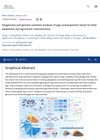
This research developed a pig graph pangenome assembly of 27 genomes, revealing the importance of structural variations in adaptation and breed-specific traits, with BTF3 identified as a key gene influencing intramuscular fat and meat quality.
 1 citations
,
April 2017 in “Journal of Investigative Dermatology”
1 citations
,
April 2017 in “Journal of Investigative Dermatology” This study found that the novel IPC analog SIG-1451 may inhibit inflammatory cytokine release in cell-based assays relevant to allergic dermatitis.
4 citations
,
April 2022 in “Microorganisms” In this study, clinically used preoperative skin preparations with povidone iodine and chlorhexidine gluconate did not meet FDA log-reduction standards for bacterial bioburden in a porcine model, suggesting persistent infection risks.
 January 2024 in “Wiadomości Lekarskie”
 This source provides an overview of diagnostic and treatment innovations for gastrointestinal disorders, such as wireless capsule technology for motility assessment and new methods for treating constipation and nausea, highlighting both current and emerging techniques.
 7 citations
,
March 2024 in “Scientific Reports”
7 citations
,
March 2024 in “Scientific Reports” This study reports that the new neighborhood face index (NFI) demonstrates a remarkably high correlation with the physiochemical properties of benzenoid hydrocarbons, highlighting its potential as a predictive tool.
26 citations
,
January 2016 in “Indian journal of endocrinology and metabolism” In this randomized trial, metformin and pioglitazone both improved certain clinical and metabolic indices in women with PCOS, with pioglitazone showing potential as an alternate treatment for those intolerant to metformin.
 8 citations
,
October 2023 in “JMIR dermatology”
8 citations
,
October 2023 in “JMIR dermatology” ChatGPT can be a helpful dermatology resource but should not replace professional consultations.
 November 2024 in “NeoReviews”
 Pallister-Killian Syndrome is a complex genetic disorder requiring coordinated care and genetic counseling.
1 citations
,
August 2018 in “Madridge journal of dermatology & research” This study observed that the Pilogics Hairegen device increased total hair count by 23.2% and terminal hair count by 21.1% in 289 patients with androgenetic alopecia after approximately 20 weeks of use, with no adverse effects reported.