1 citations
,
November 2023 in “Dermatological Reviews” This review highlights advancements in skincare aimed at addressing the effects of aging and environmental factors, including new techniques to rejuvenate skin cells and reduce inflammation, though challenges like complex routines and costs limit widespread adoption.
 June 2023 in “Journal of Cosmetic Dermatology”
 This review discusses the transformative potential and challenges of using AI in cosmetic dermatology, highlighting how AI is enhancing diagnostics, treatment personalization, and patient satisfaction while addressing issues such as data quality and ethical concerns in order to ensure responsible and ethical implementation.
5 citations
,
March 2022 in “Clinical Cosmetic and Investigational Dermatology” This study proposed a model that accurately predicts skin condition using genotype information and machine learning, suggesting potential for creating customized cosmetics.
 July 2026 in “International Journal of Innovative Technologies in Social Science”
 This review found that while treating keratosis pilaris is challenging, current therapies can lead to significant improvement, particularly when tailored to the individual's specific disease phenotype and concerns.
 August 2025 in “Photodermatology Photoimmunology & Photomedicine”
 This review found that LED therapy, using light in specific wavelengths, may offer effective, non-invasive treatment options for various skin conditions, including acne, melasma, photoaging, and wound healing.
June 2025 in “British Journal of Clinical Pharmacology” This study highlights the significant impact of cutaneous side effects associated with anticancer therapies, emphasizing the need for proactive management to improve patient quality of life and treatment adherence.
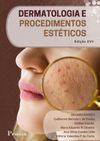 September 2025 in “Editora Pasteur eBooks”
 This abstract discusses the broad scope of dermatology and aesthetic procedures, highlighting their significant multidisciplinary evolution within the health sciences, but it does not report specific study results.
 1 citations
,
May 2018 in “The journal of investigative dermatology/Journal of investigative dermatology”
1 citations
,
May 2018 in “The journal of investigative dermatology/Journal of investigative dermatology” This meeting synopsis on the 66th Annual Montagna Symposium reports no new results but outlines discussions on precision dermatology, integrating molecular insights with clinical applications for personalized skin care.
December 2025 in “Clinical and Translational Science” This review highlights that chemotherapy-induced skin toxicities from EGFR inhibitors in breast cancer treatment can significantly impact patient quality of life and treatment adherence, emphasizing the importance of proactive management and patient discussions.
October 2025 in “Cosmetics” This study examines the genetic underpinnings of chronic dermatological conditions like acne, androgenetic alopecia, and alopecia areata, concluding that a deep understanding of these mechanisms can advance patient-specific treatments and inform cosmetic practices related to skin and hair health.
This source provides medical information intended solely for licensed professionals and emphasizes that it is not a substitute for medical advice, diagnosis, or treatment decisions, which remain the responsibility of treating physicians.
1 citations
,
August 2024 in “Cosmetics” This review summarizes current melasma treatments, emphasizing the need for tailored, long-term management strategies that integrate photoprotection and address various pathogenic mechanisms.
2 citations
,
September 2025 in “Journal of Clinical Medicine” This review highlights the potential of regenerative medicine therapies, such as biologics and emerging technologies, to significantly impact aesthetic and reconstructive procedures in plastic surgery and dermatology.
1 citations
,
January 2025 in “IntechOpen eBooks” This source outlines the development of a comprehensive system for evaluating the safety and efficacy of cosmetics in China compared to established practices in Europe and the U.S., highlighting factors like AI technologies and specific product categories such as anti-aging and sun protection.
5 citations
,
August 2025 in “Biomedicines” This review highlights the significant impact of cutaneous and oral mucosal adverse events on patients undergoing breast cancer treatment, emphasizing the need for early detection and comprehensive management to maintain treatment adherence and enhance patient care.
 August 2025 in “The American Journal of Medical Sciences and Pharmaceutical Research”
 This study suggests that noninvasive carboxytherapy methods, like gel formulations and device-assisted delivery, can significantly improve skin conditions with high safety and no recovery time, particularly in sensitive areas.
 January 2025 in “RSC Pharmaceutics”
 Smart microneedles using advanced tech could improve psoriasis treatment.
 December 2025 in “Aesthetic Cosmetology and Medicine”
 This study emphasizes the need for personalized hair care strategies based on in-depth diagnostics, taking into account scalp type, environmental factors, and the microbiome, suggesting that this holistic approach could improve hair condition.
 February 2026 in “American Journal of Clinical Dermatology”
 This source discusses how radiotherapy-induced skin fibrosis, a chronic side effect affecting cancer survivors' quality of life, is driven by ongoing inflammation and fibroblast activity, and emphasizes the need for comprehensive dermatologic management and better diagnostic tools.
 March 2026 in “Frontiers in Oncology”
 This study concluded that dermatologists are integral to the care of cancer survivors by shifting focus from symptomatic skin treatment to preventive and rehabilitative strategies that enhance long-term skin health and quality of life post-oncology therapy.
 July 2025 in “International Journal of Pharmaceutical Research and Development”
 This review suggests that exosomes have potential as effective carriers for treating skin conditions like psoriasis, acne, eczema, and skin cancer by delivering therapeutic agents while minimizing side effects; the authors discuss their composition, uptake mechanisms, and clinical applications.
 2 citations
,
May 2025 in “Infection”
2 citations
,
May 2025 in “Infection” This source underscores the need for a multidisciplinary effort to raise awareness of Demodex and demodicosis, suggesting that prioritizing research, diagnostics, and treatment development could enhance global health outcomes and improve quality of life for affected individuals.
 September 2025 in “Drug Design Development and Therapy”
 This study suggests that while platelet-rich products show promise in treating dermatological conditions like chronic wounds and skin aging, there is still a need for standardized methodologies and extensive trials to confirm their long-term clinical benefits.
 17 citations
,
May 2023 in “Aesthetic Plastic Surgery”
17 citations
,
May 2023 in “Aesthetic Plastic Surgery” This review found that among emerging technologies for skin anti-aging, stem cell therapies using recipient chimerism might be more beneficial than CRISPR-Cas9 and other current innovations, though further studies on safety and efficacy are needed.
 11 citations
,
January 2023 in “BioMed Research International”
11 citations
,
January 2023 in “BioMed Research International” This review discusses the use of microbial biosurfactants as a safer alternative to chemical surfactants in cosmetics due to their antibacterial, moisturizing, and low toxicity properties, but it reports no new clinical findings.
January 2026 in “Pharmaceutics” This review highlighted recent advances in nanocarrier-based topical delivery systems for skincare, emphasizing their potential to enhance ingredient stability, penetration, and targeted release while addressing specific pathophysiological skin concerns.
25 citations
,
February 2025 in “Frontiers in Bioengineering and Biotechnology” This review covers advancements in skin repair and rejuvenation technologies, highlighting potential benefits of stem cell therapy, bioengineered skin substitutes, PRP, exosome therapies, and gene editing for conditions such as chronic wounds and genetic disorders, though challenges in accessibility, safety, and long-term effectiveness remain.
 January 2025 in “Bright Sky Publications eBooks”
 This abstract presents the book "Buy Medical Physics in Aesthetic Medicine," which explores future innovations and techniques for cosmetic procedures expected in 2025, though specific findings or results from the book are not reported.
 359 citations
,
September 2017 in “European Journal of Epidemiology”
359 citations
,
September 2017 in “European Journal of Epidemiology” This article discusses the rationale, design, and significant findings of the long-running Rotterdam Study but reports no new clinical results.
26 citations
,
October 2020 in “Biomedicines” This review discusses the applications and potential of Bioengineered Artificial Skin Substitutes in cosmetics and pharmacology research, with no new clinical findings reported.