 February 2026 in “International Journal of Advanced Research in Science Communication and Technology”
 In this review, researchers explored the potential of herbal shampoos as effective and safe alternatives to conventional anti-dandruff treatments, highlighting that polyherbal formulations may offer comparable or superior benefits with fewer side effects.
 January 2026 in “Scientific Reports”
 This study assessed Palestinian women newly diagnosed with breast cancer and found that higher spiritual well-being is associated with improved body image and sexual functioning, and reduced distress from treatment side effects, suggesting spiritual support should be integrated into cancer care.
 December 2025 in “IP Indian Journal of Clinical and Experimental Dermatology”
 This review reports that the treatment of androgenetic alopecia is shifting from single therapies to personalized, multimodal approaches incorporating both traditional and emerging pharmacologics, regenerative strategies, nutraceuticals, cosmeceuticals, and device-based interventions, with combination regimens showing improved outcomes.
 December 2025 in “Reports of Vinnytsia National Medical University”
 This study examined the relationships between the Dermatology Life Quality Index and trichoscopic and clinical-anamnestic characteristics in young Ukrainian men with alopecia areata, finding varying strengths of mostly non-significant correlations, especially in those with grade I and III alopecia.

This study observed that spiritual well-being significantly correlates with quality of life aspects in newly diagnosed Palestinian women with breast cancer, where factors like inner peace and faith predicted better body image and reduced distress from hair loss.
 September 2025 in “Asian Journal of Neurosurgery”
 This study found that total head shaving during brain tumor surgery is significantly associated with lower postoperative self-esteem in patients, suggesting that minimizing shaving when possible could improve psychological recovery.
 July 2025 in “Discover Mental Health”
 This study found that among medical science students, while academic enthusiasm and loneliness are average, their fear of intimacy is below average; it also observed that increased loneliness predicts decreased academic enthusiasm, suggesting a need for workshops to address this issue.
 July 2025 in “JUNIOR RESEARCHERS”
 This review found that prolonged use of face masks during the COVID-19 pandemic increased the incidence of facial skin conditions like maskne and dermatitis, particularly affecting women and young people, and suggests prevention and management strategies including skincare routines, mask material choice, and therapeutic approaches.
 May 2025 in “International Journal of Clinical Obstetrics and Gynaecology”
 This article reviewed literature from 2013-2023 and found that while varied treatment options for PCOS exist, managing the condition holistically, including lifestyle changes and gastric bypass surgery, can significantly improve symptoms and quality of life without worsening side effects.
 January 2025 in “Bright Sky Publications eBooks”
 This abstract presents the book "Buy Medical Physics in Aesthetic Medicine," which explores future innovations and techniques for cosmetic procedures expected in 2025, though specific findings or results from the book are not reported.
 December 2024 in “Qlantic Journal of Social Sciences and Humanities”
 This study found that among adult balding men in Rawalpindi and Islamabad, those seeking hair transplants exhibited higher levels of perfectionism and body dysmorphic disorder symptoms compared to those not seeking treatment.
 December 2024 in “Quality in Sport”
 This review found that hormones significantly impact women's health and athletic performance, influencing the menstrual cycle, menopause, and exercise responses, while therapies like contraception and hormone replacement require personalized approaches to balance benefits and risks.
 October 2024 in “Irish Journal of Medical Science (1971 -)”
 Continuous glucose monitoring and GLP-1 receptor agonists improve diabetes management, but personalized care and education are crucial.
This study found that women with PCOS in a Middle Eastern population reported significantly lower self-esteem and body image satisfaction compared to those without PCOS, with PCOS respondents feeling less attractive, avoiding mirrors and social interactions, and expressing a stronger desire to lose weight.
 April 2024 in “The Egyptian Journal of Hospital Medicine ”
 This article discusses the genetic and hormonal factors involved in androgenetic alopecia and its association with increased risks of cardiovascular diseases and metabolic disorders, but it does not present new research findings.
 March 2024 in “World Journal Of Advanced Research and Reviews”
 This study, using interviews with educators from public and private schools in Cabanatuan City, found that resilience through faith and positivity helped them survive the challenges of Covid-19, highlighting the need for institutional support during health crises.
 March 2024 in “Research Square (Research Square)”
 In this study, scalp cooling therapy was found to be well tolerated and effective at improving hair preservation for Asian women with breast or gynecological cancers undergoing certain chemotherapy regimens, particularly weekly paclitaxel, compared to historical controls.
 December 2023 in “Advances in economics, management and political sciences”
 This study found that consumers do not prefer anti-hair loss products over regular hair care products, suggesting that companies should focus on factors like purchase willingness instead of the specific causes of hair loss.
 October 2023 in “Paediatrics & child health”
 This document serves as a resource for pediatricians and primary care providers to guide gender-affirming health care for transgender and gender-diverse youth, including potential medical transition options.
 July 2023 in “RCMOS - Revista Científica Multidisciplinar O Saber”
 This narrative review highlights how scalp therapy can enhance service quality in barbershops by integrating trichology, aesthetics, and health education, potentially boosting client loyalty and competitive differentiation in the men's grooming market.

This study identified that transgender patients face barriers in accessing oral healthcare, including discrimination and harassment, leading to increased stress, poorer oral health, and a diminished quality of life related to oral health.
 January 2023 in “Frontiers research topics”
 This article describes the Frontiers journal series, highlighting its open-access approach and tiered publishing system, but it presents no new empirical findings.
 September 2021 in “Physiology News”
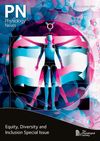
 This abstract appears to consist entirely of repeated color specifications and logo guidelines, providing no research findings or new results.
 September 2021 in “Physiology News”
 This abstract contains only graphic design specifications and reports no new research findings.
 July 2018 in “British Journal of Dermatology”
 Mindfulness reduces anxiety and depression in skin disease patients; dermatologists and psychiatrists often lack confidence in treating psychodermatological conditions.
 June 2013 in “D-Scholarship@Pitt (University of Pittsburgh)”
 This article discusses the development of an interactive workbook by OCCAM to help cancer patients communicate their use of complementary and alternative medicine with healthcare providers and reports no clinical results.
 June 2008 in “CRC Press eBooks”
 PCOS may have evolved as an advantage in past environments with food scarcity.
 June 2026 in “Frontiers in Marine Science”
 This study found that Codium sp. cultivated in IMTA systems can be a sustainable source of bioactive ingredients for skin care products, with various fractions providing photoprotective, wound-healing, and antimicrobial benefits in vitro.
 March 2026 in “Scientific Reports”
 This study found that scalp cooling significantly improved hair preservation and reduced psychological distress in gynecologic cancer patients undergoing chemotherapy compared to usual care.

This review discusses how permanent micropigmentation can restore eyebrow appearance and potentially improve psychosocial well-being in cancer survivors experiencing alopecia after chemotherapy, but it reports no new clinical results.