 March 2026 in “Clinical Cosmetic and Investigational Dermatology”
 This review discusses current hair removal strategies in paramedian forehead flap reconstruction and reports no new clinical results; it offers recommendations to improve aesthetic outcomes by guiding timing and technique selection.

In this expert consensus, the authors aimed to address the challenges of diagnosing and treating uncommon dermatophytoses due to their distinct characteristics and lack of standardized protocols, by providing scientific guidance on their epidemiology, clinical features, diagnosis, and treatment.
 February 2026 in “Frontiers in Medicine”
 This study reported that trichoscopy can identify specific hair shaft abnormalities linked to increased serological activity, highlighting its use as a valuable non-invasive diagnostic tool in pediatric dermatology for neonates with ECS.
 February 2026 in “Frontiers in Immunology”
 This case report highlights significant improvement in a patient with severe alopecia areata who responded well to ivarmacitinib after a suboptimal response to another JAK inhibitor, tofacitinib, suggesting ivarmacitinib as a potential alternative for tofacitinib-refractory cases.
 February 2026 in “Frontiers in Pharmacology”
 This review suggests a shift toward genetically informed treatments for male pattern hair loss by integrating genetic insights and pharmacogenetic markers into therapeutic decision-making.
 February 2026 in “Frontiers in Public Health”
 This review discusses the potential impact of lifestyle factors on the progression of androgenetic alopecia and reports no new clinical findings; the authors emphasize the need for more comprehensive studies.
 February 2026 in “Chinese Medicine”
 Natural products might help treat hair greying.
 February 2026 in “Clinical Cosmetic and Investigational Dermatology”
 This study found that while the global incidence of alopecia areata in individuals aged 0–19 declined from 1990-2021, the total number of cases rose, with higher burdens among females, adolescents, and low-SDI populations, particularly in Central Sub-Saharan Africa; disparities suggest a need for targeted interventions.
This study on alopecia areata meta-analyses highlights the risk of misleading results when ineffective, unsafe, or unapproved dosing regimens are included, recommending methodological safeguards to ensure accurate data interpretation and avoid inappropriate causal inferences.
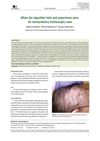 January 2026 in “Forum Dermatologicum”
 This case study examined a 72-year-old woman with unique hair shaft constrictions consistent with monilethrix, despite features atypical for this condition, ultimately reaching a diagnosis that led to successful improvement using oral minoxidil and reduced hair trauma.
 January 2026 in “Dermatology Practical & Conceptual”
 In this study, pediatric alopecia areata was associated with higher rates of vitiligo, asthma, and ADHD, and significantly lower levels of vitamin B12, ferritin, and TSH compared to healthy controls, highlighting the need for comprehensive evaluation.
 January 2026 in “Dermatology and Therapy”
 This study suggests a possible bidirectional relationship between sleep quality and hair loss, indicating that addressing sleep disturbances might improve hair loss management and patient well-being.
 January 2026 in “Frontiers in Molecular Biosciences”
 This study identified a four-gene loop as a non-invasive biomarker that selectively activates in alopecia areata, providing a precise target for JAK inhibitor treatments.
 December 2025 in “IP Indian Journal of Clinical and Experimental Dermatology”
 Hair shaft disorders often indicate genetic or systemic issues and are managed by minimizing damage.
 December 2025 in “Frontiers in Medicine”
 This case report presents the first instance of a pediatric alopecia areata patient switching from baricitinib to ritlecitinib, demonstrating favorable clinical outcomes, suggesting a potential new treatment pathway for children with severe cases of this condition.
 December 2025 in “Cureus”
 This case report highlights that scarring alopecia with features of dystrophic epidermolysis bullosa and lichen planopilaris can occur in patients with a COL7A1 mutation, emphasizing the need to recognize concurrent inflammatory causes.
 December 2025 in “Frontiers in Medicine”
 This review details the global mutation patterns of genes associated with autosomal recessive woolly hair/hypotrichosis and highlights potential, yet unproven, treatments like minoxidil and regenerative therapies, reporting no new clinical results.
 November 2025 in “Journal of Pharmaceutical Research International”
 This study reviewed 18 studies on the effects of ustekinumab and vedolizumab on alopecia in ulcerative colitis patients, finding varied outcomes ranging from significant hair regrowth to increased hair loss, with 65.5% experiencing regrowth and potential therapy benefits needing further exploration in larger trials.
 November 2025 in “International Journal of Recent Innovations in Medicine and Clinical Research”
 The abstract does not provide any specific research findings or results, but rather serves as a promotional description for IP Innovative Publication Pvt Limited, highlighting their services and publication offerings in medical journals and related fields from Delhi, India.
 November 2025 in “Clinical Cosmetic and Investigational Dermatology”
 This study evaluated the efficacy and safety of tofacitinib for treating severe alopecia areata in five patients, finding that three responded favorably with mild side effects, supporting its potential use based on existing research.
 November 2025 in “Journal of Multidisciplinary Healthcare”
 This study found that combining fire needle therapy with DHT treatment over eight weeks improved lesion severity, scar symptoms, quality of life, and reduced serum inflammatory cytokine levels in patients with moderate-to-severe acne vulgaris compared to using DHT alone.
 October 2025 in “Nepal Journal of Dermatology Venereology & Leprology”
 In this case study, a 55-year-old male farmer from Nepal with a kerion barbae in the beard region showed complete resolution after initiating oral itraconazole, highlighting the potential for misdiagnosis when bacterial superinfection complicates dermatophyte infections.
 October 2025 in “Pielegniarstwo XXI wieku / Nursing in the 21st Century”
 This review discusses the effectiveness and mechanisms of combined oral contraceptives in treating acne vulgaris but reports no new clinical results; the authors highlight their antiandrogenic effects for managing acne and related endocrine disorders.
 September 2025 in “Meditsinskiy sovet = Medical Council”
 This study found a significant age-dependent association between alopecia areata and atopic dermatitis, with atopic dermatitis being a notable risk factor, especially in children.
 September 2025 in “Indian Journal of Child Health”
 This case report examines a 10-year-old girl with Satoyoshi Syndrome, highlighting the challenges in diagnosing and managing this rare autoimmune disorder.
 September 2025 in “International Journal of Innovative Technologies in Social Science”
 This review highlights that while pharmacotherapy, including biological agents, provides varying but often partial control of hidradenitis suppurativa depending on disease severity, significant challenges and high relapse rates persist, necessitating further research for more effective treatments.
 September 2025 in “Online Türk Sağlık Bilimleri Dergisi”
 This study observed that pediatric patients with diffuse, non-scarring alopecia had significantly lower levels of zinc and folate compared to matched healthy controls, suggesting a possible link between these deficiencies and hair loss in children.
 August 2025 in “Archiv Euromedica”
 This review explored the relationship between alopecia areata and gut microbiota imbalances, noting potential immune dysregulation due to microbiome alterations. It highlighted promising results from fecal microbiota transplantation in treating alopecia universalis, indicating a need for further research into microbiome-targeted therapies.
 August 2025 in “Dermatology and Therapy”
 This study conducted a meta-analysis of gene expression data from alopecia areata patients, identifying 5109 differentially expressed genes and highlighting enriched pathways like JAK-STAT signaling, providing insights into the disease's pathogenesis and potential treatment targets.
 July 2025 in “SKIN The Journal of Cutaneous Medicine”
 This study reported that ritlecitinib was generally well tolerated over 72 months in patients aged 12 and older with alopecia areata, with adverse events like headache and nasopharyngitis observed, and safety outcomes consistent with previous studies.