18 citations
,
September 1972 in “British Journal of Pharmacology” In this study on male rats, parachlorophenylalanine treatment induced hypersexual behavior and hair loss linked to increased social interaction but had no effect on brain serotonin when testosterone was used instead.

In this study, researchers found that female rats exhibited more pronounced panic-related escape behavior during hypoxia, particularly in the diestrus phase, and that low-dose fluoxetine reduced this behavior, suggesting its potential for managing panic disorder symptoms related to hormonal cycles in women.
 13 citations
,
January 2013 in “Molecular genetics and metabolism”
13 citations
,
January 2013 in “Molecular genetics and metabolism” This study reported that mice on a phenylalanine-deficient diet showed symptoms such as weight loss, gastric dilation, and thymic depletion, which echo human phenylalanine deficiency manifestations.
November 2025 in “JDDG Journal der Deutschen Dermatologischen Gesellschaft” This study documented a case of an 11-month-old with PKU who developed acrodermatitis enteropathica-like symptoms due to severe phenylalanine deficiency, requiring dietary adjustment to restore phenylalanine levels.
38 citations
,
April 2020 in “IntechOpen eBooks” This review discusses the potential antidepressant effects of phenylalanine, highlighting its significant activity in laboratory studies, but reports no new clinical findings.
8 citations
,
January 2018 in “Journal of Analytical Methods in Chemistry” This study developed a reliable HPLC-UV/Vis method to determine aluminum phthalocyanine chloride in skin, supporting its use in skin permeation studies for photodynamic therapy of cutaneous tumors.
 16 citations
,
September 2018 in “Journal of Molecular Liquids”
16 citations
,
September 2018 in “Journal of Molecular Liquids” This study investigated a nanostructured system using PS-b-PAA diblock copolymer for incorporating the hydrophobic photosensitizer ClAlPc, finding it effective in causing cellular damage in Caco-2 cells under light while demonstrating no cytotoxicity without light, suggesting its potential use in photodynamic therapy.
 1 citations
,
March 2012 in “Revue neurologique”
1 citations
,
March 2012 in “Revue neurologique” This study reports that both a 9-month-old with phenylketonuria on a phenylalanine-free diet and mice on a deficient diet exhibited severe health issues, highlighting the need for cautious dietary management.
 2 citations
,
September 1980 in “Experientia”
2 citations
,
September 1980 in “Experientia” Polyethylene alanine caused hair loss in young lab animals but not in adults, with hair regrowth occurring within 20 days.
52 citations
,
May 2011 in “Journal of Neuroendocrinology” This study found that palmitoylethanolamide may stimulate allopregnanolone synthesis and reduce oxidative stress in astrocytes through PPAR-α activation, suggesting a neuroprotective role.
151 citations
,
August 2011 in “The EMBO Journal” The enzyme PA-PLA1α is important for proper hair follicle development.
13 citations
,
September 2012 in “Cell & tissue research/Cell and tissue research” In this study, researchers found that the pCLCA2 protein is expressed in specific areas of pig skin, but its role in skin structure or function remains unclear.
11 citations
,
April 2012 in “Journal of Investigative Dermatology” A specific mutation in PA-PLA1α causes abnormal hair growth.
 5 citations
,
October 2019 in “The journal of investigative dermatology/Journal of investigative dermatology”
5 citations
,
October 2019 in “The journal of investigative dermatology/Journal of investigative dermatology” This study identified a high-risk allele in the PLCD1 gene associated with hereditary trichilemmal cyst formation, proposing a monoallelic two-hit mechanism as the underlying genetic pathogenesis.
 5 citations
,
June 2015 in “British Journal of Dermatology”
5 citations
,
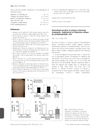
June 2015 in “British Journal of Dermatology” This article discusses the role of lysophosphatidic acid-induced histamine release in generalized pruritus among patients with primary sclerosing cholangitis and reports no new clinical results.
 7 citations
,
January 2019 in “Australasian Journal of Dermatology”
7 citations
,
January 2019 in “Australasian Journal of Dermatology” In this study, the CYP 21A2 gene p.V281L mutation was associated with an increased susceptibility to familial frontal fibrosing alopecia, suggesting an antigen-driven mechanism linked to certain human leukocyte antigen haplotypes.
 23 citations
,
December 2013 in “British Journal of Dermatology”
23 citations
,
December 2013 in “British Journal of Dermatology” This study identified a new PNPLA1 mutation in a Spanish family with autosomal recessive congenital ichthyosis.

This study found that individuals with homozygous loss-of-function mutations in PLAAT3 experience a novel type of partial lipodystrophy linked to defects in white adipose tissue differentiation and function.
8 citations
,
August 2022 in “Pharmaceutics” This study found that erythrocyte-anchored CPA-encapsulated nanoparticles improved the delivery and accumulation of Cepharanthine in the lungs, enhancing its effectiveness in treating acute lung injury by reducing inflammatory responses.
September 2019 in “Journal of Investigative Dermatology” This study observed that PCE-DP may improve skin pigmentation by increasing epidermal turnover and inhibiting melanin uptake and inflammation in human epidermal keratinocytes.
9 citations
,
July 2016 in “Genes” This study identified specific genetic variants as the cause of visual impairment and non-syndromic alopecia in two brothers, reinforcing the link between PDE6H variants and achromatopsia and LPAR6 variants and alopecia.
 34 citations
,
August 2002 in “British Journal of Dermatology”
34 citations
,
August 2002 in “British Journal of Dermatology” This study observed that two patients treated with interferon α-2b and ribavirin for chronic hepatitis C experienced complete and reversible straightening of their natural curly hair, which recurred with treatment resumption.
26 citations
,
June 2003 in “PubMed” In this study, severe hair loss occurred in PKC epsilon transgenic mice treated with DFMO during skin tumor prevention, highlighting a link between polyamine biosynthesis, hair follicle maintenance, and metastasis suppression.
 84 citations
,
June 2010 in “The Plant Cell”
84 citations
,
June 2010 in “The Plant Cell” In this study, disruptions in phospholipase A2 activity in Arabidopsis thaliana significantly impaired the plasma membrane localization of PIN proteins, affecting auxin transport and root development.
10 citations
,
June 2019 in “Dermatologic therapy” In this study, treatment with DPCP alone was more effective for hair regrowth and presented fewer side effects in chronic extensive alopecia areata compared to combination therapy with DPCP and anthralin.
 July 2022 in “Research Square (Research Square)”
 This study found that Egyptian women with frontal fibrosing alopecia had lower serum PPARγ levels and a higher occurrence of PPARG gene polymorphism compared to healthy controls, suggesting a potential role for PPARγ in the condition's development.
 21 citations
,
October 2019 in “The journal of investigative dermatology/Journal of investigative dermatology”
21 citations
,
October 2019 in “The journal of investigative dermatology/Journal of investigative dermatology” This study identified specific germline and somatic mutations in the Phospholipase C Delta 1 gene as high-risk factors for developing hereditary trichilemmal cysts, involving a monoallelic two-hit mechanism.
3 citations
,
May 2020 in “Acta pharmaceutica” The researchers reported that protocatechuic acid reduced melanin synthesis and enhanced antioxidant activity in cultured human hair follicle melanocytes, indicating potential for skin whitening applications.
3 citations
,
January 2013 in “Dermatology” This study identified novel compound heterozygous mutations in the hairless gene among a non-consanguineous Chinese family with congenital atrichia, illustrating phenotypic variations due to founder or modifier genes.
 4 citations
,
December 2018 in “Macedonian Journal of Chemistry and Chemical Engineering”
4 citations
,
December 2018 in “Macedonian Journal of Chemistry and Chemical Engineering” This study developed a reliable RP-HPLC-DAD method, finding that amino acid concentrations in bleached hair decrease with higher hydrogen peroxide levels, notably affecting cystine.