 November 2022 in “Journal of Investigative Dermatology”
 This study identified 15 Iranian patients with PLEC variants linked to various plectinopathies and highlighted a novel association between a homozygous nonsense variant in PLEC and a rare combination of disorders including EB pruriginosa, muscular dystrophy, and congenital myasthenic syndrome.
16 citations
,
March 2023 in “Gels” This study found that paeonol-loaded liposomal gels demonstrated antioxidant effects and relieved inflammation in AD-like mice, suggesting potential benefits for treating atopic dermatitis.
1 citations
,
October 2025 in “International Journal of Molecular Sciences” This narrative review highlights the potential of naturally occurring compounds to target specific molecular pathways and overcome resistance in advanced and recurrent papillary thyroid cancer, offering new therapeutic possibilities beyond traditional treatments like surgery and lifelong hormone replacement.
August 2026 in “Frontiers in Medicine” This review discusses the potential applications of JAK inhibitors in various dermatological conditions beyond atopic dermatitis, emphasizing gaps in evidence and therapeutic opportunities in the context of Chinese clinical practice, but reports no new clinical results.
 16 citations
,
September 2018 in “Journal of Molecular Liquids”
16 citations
,
September 2018 in “Journal of Molecular Liquids” This study investigated a nanostructured system using PS-b-PAA diblock copolymer for incorporating the hydrophobic photosensitizer ClAlPc, finding it effective in causing cellular damage in Caco-2 cells under light while demonstrating no cytotoxicity without light, suggesting its potential use in photodynamic therapy.
 2 citations
,
February 2014 in “Journal of Crohn's and colitis”
2 citations
,
February 2014 in “Journal of Crohn's and colitis” This study observed that 6.45% of IBD patients treated with anti-TNF therapy developed severe psoriasiform reactions, with notable cases of alopecia universalis suggesting a potential link to previous alopecia areata.
November 2025 in “Journal of Investigative Dermatology” IMG-007 helps regrow hair and reduce scalp inflammation in severe alopecia areata.
 April 2021 in “Journal of Investigative Dermatology”
 This study found that CD1a-restricted CD4+ T cells responsive to lysyl-phosphatidylglycerol were more frequent in the blood of atopic dermatitis patients, suggesting a potential role in the disease's Th2-mediated pathology.
July 2024 in “Journal of Investigative Dermatology”  47 citations
,
March 2019 in “Journal of immunology research”
47 citations
,
March 2019 in “Journal of immunology research” This review discusses the effects of valproic acid on immune cell activation and gene expression, potentially influencing infection outcomes and suggesting its promise for autoimmune and hypersensitivity condition management.
 January 2026 in “Inflammation and Regeneration”
 This review highlights that two-photon excitation microscopy is a valuable tool for visualizing live skin structures and immune responses at high resolution, though its clinical use is hindered by safety and cost issues.
26 citations
,
April 2011 in “British Journal of Dermatology” This study identified novel mutations in the DSG4 gene in a Japanese patient with monilethrix, affecting protein interactions that may disrupt hair shaft structure.
 56 citations
,
November 1993 in “Journal of The American Academy of Dermatology”
56 citations
,
November 1993 in “Journal of The American Academy of Dermatology” Capsaicin cream quickly relieved itching in two patients with brachioradial pruritus.
 14 citations
,
June 2013 in “Joint Bone Spine”
14 citations
,
June 2013 in “Joint Bone Spine” This review discusses current anti-inflammatory treatment options for calcium pyrophosphate crystal deposition disease (CPPD) and highlights the lack of crystal-targeted therapies, emphasizing the need for more research to guide treatment.
 4 citations
,
November 2023 in “Biological and Pharmaceutical Bulletin”
4 citations
,
November 2023 in “Biological and Pharmaceutical Bulletin” This study found that the BP-3 extract from Boesenbergia rotunda, rich in panduratin A, demonstrated strong anti-adipogenesis and lipolysis effects on preadipocyte cells at non-toxic concentrations, and when formulated into a serum reduced thigh circumference and improved skin firmness in a human trial.
27 citations
,
January 2017 in “Journal of clinical and diagnostic research” This case report details a 23-year-old woman who was poisoned with thallium by a colleague and treated with activated charcoal and Prussian blue.
 6 citations
,
November 2023 in “Clinical Pharmacokinetics”
6 citations
,
November 2023 in “Clinical Pharmacokinetics” This research discusses the parallel clinical development of ritlecitinib, an oral Janus kinase 3/tyrosine kinase inhibitor, for treating conditions such as alopecia areata, vitiligo, ulcerative colitis, Crohn's disease, and rheumatoid arthritis. Results are not reported in the abstract.
 143 citations
,
September 1991 in “Archives of Dermatology”
143 citations
,
September 1991 in “Archives of Dermatology” In this study, patients with generalized pustular psoriasis were classified into subgroups to better understand the disease's variability and assist in treatment selection, highlighting the role of localized infections in triggering flares.
1 citations
,
April 2013 in “Journal of Investigative Dermatology”  24 citations
,
August 2017 in “Prostaglandins & Other Lipid Mediators”
24 citations
,
August 2017 in “Prostaglandins & Other Lipid Mediators” This review discusses the potential roles of prostaglandin D2 and its receptor CRTH2 in various diseases beyond allergies and asthma and reports no new clinical results.
 25 citations
,
November 2022 in “British journal of dermatology/British journal of dermatology, Supplement”
25 citations
,
November 2022 in “British journal of dermatology/British journal of dermatology, Supplement” In this analysis, safety data from two clinical trials showed that baricitinib for severe alopecia areata had predictable side effects like infections and elevated CPK, with some serious adverse events noted at low incidence rates; no deaths were reported.
9 citations
,
August 2022 in “Frontiers in Pharmacology” This study found that Kangfuxin improved cell proliferation, migration, and wound healing in a mouse model of cutaneous injury through the activation of the STAT3 signaling pathway.
1 citations
,
October 2024 in “BMC Infectious Diseases” This study found that post-COVID-19 syndrome incidence varied significantly by gender and identified ALP levels as a potential biomarker for its detection, challenging current diagnostic criteria.
87 citations
,
January 1996 in “Journal of cellular biochemistry” This article discusses ongoing and planned clinical chemoprevention trials for various agents and combinations but reports no new results; it highlights promising new agents and the evolving focus on molecular pathways.
 41 citations
,
March 2017 in “PLoS neglected tropical diseases”
41 citations
,
March 2017 in “PLoS neglected tropical diseases” This study found that isotretinoin, a drug commonly used for acne, inhibits polyamine transport in Trypanosoma cruzi, leading to trypanocidal effects, and suggests its potential as a treatment for Chagas disease without affecting mammalian cell viability.
 1 citations
,
June 2025 in “Journal of Allergy and Clinical Immunology Global”
1 citations
,
June 2025 in “Journal of Allergy and Clinical Immunology Global” This study describes the case of a young boy with Netherton syndrome who showed significant improvements in skin inflammation, quality of life, and hair growth after receiving dupilumab, with a marked decrease in serum IgE levels observed following treatment.
 3 citations
,
October 2021 in “Brain Sciences”
3 citations
,
October 2021 in “Brain Sciences” This review hypothesizes that risperidone long-acting injectable may be linked to bullous pemphigoid in a bipolar patient, though current studies report mixed results.
 February 2026 in “Journal of Drugs in Dermatology”
 This case study reports on a 13-year-old male with alopecia totalis who experienced successful hair regrowth after being treated with dupilumab, an interleukin-4 and IL-13 antagonist, suggesting its potential utility in managing alopecia areata in pediatric patients with comorbid atopic dermatitis.
 13 citations
,
February 2006 in “Clinical and Experimental Dermatology”
13 citations
,
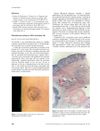
February 2006 in “Clinical and Experimental Dermatology” A benign tumor developed at a girl's BCG vaccination site, not previously linked to the vaccine.
18 citations
,
January 2015 in “Experimental Dermatology” This study reports new monilethrix cases in Venezuela, the Netherlands, Belgium, and France, expanding the known mutational spectrum of the disorder with novel mutations in KRT81, KRT83, and KRT86 genes.