 February 2024 in “Urology”
 This study found that among ten identified medications associated with ejaculatory disorders, Paroxetine and Tamsulosin were mainly linked to delayed and retrograde ejaculation, while Finasteride and Sildenafil were most associated with painful ejaculation and ejaculation failure according to reports from FDA-FAERS and Eudra-Vigilance databases.
 74 citations
,
July 2010 in “The Journal of Clinical Endocrinology & Metabolism”
74 citations
,
July 2010 in “The Journal of Clinical Endocrinology & Metabolism” This study found that gonadal dysfunction is very common in premenopausal women with acromegaly and may be caused by hyperprolactinemia, GH/IGF-I excess, or tumor effects.
2 citations
,
November 2016 in “Current sexual health reports” This review summarizes characteristics of vaginal moisturizers, lubricants, and washes for managing genitourinary syndrome of menopause, and clarifies common misconceptions about their chemical additives, without providing new clinical results.
 8 citations
,
September 1997 in “Postgraduate medicine”
8 citations
,
September 1997 in “Postgraduate medicine” This article describes various acute and chronic vulvar disorders post-menopause and summarizes identification and treatment strategies, but reports no new clinical findings.
 8 citations
,
August 2021 in “Fertility and Sterility”
8 citations
,
August 2021 in “Fertility and Sterility” This review discusses the potential risks of ejaculatory dysfunction associated with both medical and surgical treatments for lower urinary tract symptoms due to benign prostatic hyperplasia and their implications for male fertility, but it reports no new clinical results.
 January 2020 in “Fertility and Sterility”
 This review discusses rare and controversial conditions like painful nocturnal erections and post-finasteride syndrome, calling attention to these issues but providing no new clinical findings.
 5 citations
,
November 2020 in “JAMA Dermatology”
5 citations
,
November 2020 in “JAMA Dermatology” Finasteride may cause side effects; more research needed.
 February 2018 in “The Journal of Sexual Medicine”
 In this animal study, finasteride exposure led to impaired spermatogenesis in rats, while the novel compound DA-9401, derived from three medicinal herbs, demonstrated potential in improving sperm parameters and reducing testicular apoptosis when used alone or with finasteride.
February 2026 in “The Journal of Sexual Medicine” In this case report, goserelin, a GnRH agonist, was effective in managing stuttering priapism and improving erectile function in a patient with sickle cell disease, suggesting potential for last-line treatment.
 May 2023 in “The journal of sexual medicine”
 In this study, bilateral oophorectomy was reported as an effective treatment for normalizing androgen levels and resolving hypersexuality and related symptoms in a post-menopausal woman with ovarian hyperthecosis, suggesting its importance in addressing excess androgen production in such cases.
 43 citations
,
January 2016 in “International Journal of Andrology”
43 citations
,
January 2016 in “International Journal of Andrology” This study found that men experiencing long-term symptoms after finasteride use for androgenetic alopecia frequently reported loss of penis sensitivity and anhedonia, among other effects, indicating potential post-finasteride syndrome.
 27 citations
,
June 2013 in “Alcoholism: Clinical and Experimental Research”
27 citations
,
June 2013 in “Alcoholism: Clinical and Experimental Research” In this study, 65% of men with persistent sexual side effects after stopping finasteride reported a reduction in alcohol consumption, echoing findings in rodent models.
 11 citations
,
July 2019 in “The Journal of Sexual Medicine”
11 citations
,
July 2019 in “The Journal of Sexual Medicine” This study suggests that spironolactone may cause hormonally associated vestibulodynia and female sexual arousal disorder, with symptoms improving after discontinuation and use of a topical estrogen/testosterone gel.
 11 citations
,
February 2013 in “Clinical Endocrinology”
11 citations
,
February 2013 in “Clinical Endocrinology” This study found that the prevalence of hyperprolactinaemia in healthy premenopausal female blood donors is low and not affected by hormonal contraceptive use, with stress-related factors being the most common cause.
 1 citations
,
February 2018 in “The Journal of Sexual Medicine”
1 citations
,
February 2018 in “The Journal of Sexual Medicine” This study found that young men with post-finasteride syndrome may experience erectile dysfunction due to potential histologic changes in penile tissue, despite having normal penile Doppler hemodynamics.
 February 2024 in “The journal of sexual medicine”
 This study suggests that flibanserin may have a similar safety profile in men to that observed in premenopausal women, with positive responses reported for various sexual dysfunctions, but further research is needed.
 January 2020 in “The Journal of Sexual Medicine”
 This study evaluated the persistent adverse effects of 5α-reductase inhibitors in men previously treated for androgenic alopecia and highlighted issues with sexual, genitourinary, physical, psychiatric, cognitive, and androgenic health.
April 2022 in “The Journal of Urology” In this study, men with persistent sexual dysfunction after stopping finasteride showed significant vascular, neurologic, and hormonal abnormalities, with severe erectile dysfunction being common.
 May 2022 in “The Journal of Sexual Medicine”
 In this retrospective study at Toyama University Hospital, amoxapine was reported to significantly improve semen volume, sperm concentration, and total sperm count in 17 men with ejaculatory disorders, with no observed side effects over an average of 13 months of therapy.
 4 citations
,
June 2025 in “Current Urology Reports”
4 citations
,
June 2025 in “Current Urology Reports” This study found that while new treatments like Optilume, Rezum, and Aquablation have minimal risks of sexual dysfunction, they offer less improvement in lower urinary tract symptoms compared to traditional surgeries like TURP, though Aquablation does reduce ejaculatory dysfunction more effectively than TURP.
January 2018 in “Urologe A” In this case report, botulinum neurotoxin injections were associated with a 6-month cessation of priapism episodes in a young man with recurring low-flow priapism, following unsuccessful conventional treatments.
 44 citations
,
July 2004 in “Archives of Dermatology”
44 citations
,
July 2004 in “Archives of Dermatology” In this study, treatment with 1 mg of finasteride was associated with stable sexual function, suggesting that sexual side effects may be less common than indicated in clinical trials.
 2 citations
,
May 2006 in “Women's Health Medicine”
2 citations
,
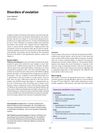
May 2006 in “Women's Health Medicine” This article provides an overview of ovulation disorders, discussing ovarian, hypothalamic, and endocrine defects but reports no new clinical findings.
 98 citations
,
December 2008 in “Journal of Investigative Dermatology”
98 citations
,
December 2008 in “Journal of Investigative Dermatology” This review discusses the possible impacts of prolactin on skin conditions like psoriasis, alopecia, and stress-related dermatoses, emphasizing the need for further research to explore its therapeutic potential.
 70 citations
,
March 2016 in “Urologic Clinics of North America”
70 citations
,
March 2016 in “Urologic Clinics of North America” This article reviews the coordination of the hypothalamic-pituitary-gonadal axis, male fertility, and therapies for hypogonadism, but reports no new clinical findings.
 69 citations
,
July 2015 in “Pharmacotherapy”
69 citations
,
July 2015 in “Pharmacotherapy” This study found that low-dose finasteride use in young men was associated with higher reporting of persistent sexual dysfunction, with some cases linked to suicidal ideation.
 39 citations
,
April 2018 in “Hormones”
39 citations
,
April 2018 in “Hormones” This review suggests that most mutations in the SRD5A2 gene show no clear genotype-phenotype correlation in 5-α-Reductase deficiency, although mutation location affects severity.
 38 citations
,
July 2012 in “international journal of endocrinology and metabolism”
38 citations
,
July 2012 in “international journal of endocrinology and metabolism” This review discusses the clinical use of anti-androgen medications and highlights emerging evidence supporting plant-derived anti-androgens like spearmint tea for managing PCOS, but reports no new clinical results.
 37 citations
,
September 2018 in “The Journal of Clinical Endocrinology and Metabolism”
37 citations
,
September 2018 in “The Journal of Clinical Endocrinology and Metabolism” This study found that intravaginal testosterone significantly improved sexual satisfaction and reduced dyspareunia in postmenopausal women using aromatase inhibitors, with no effect on urinary incontinence.
 36 citations
,
September 2001 in “Journal of The European Academy of Dermatology and Venereology”
36 citations
,
September 2001 in “Journal of The European Academy of Dermatology and Venereology” This study found that sexual and erectile function in men taking finasteride 1 mg did not significantly differ from age-matched controls, suggesting sexual side effects may be less common than previously reported.