1 citations
,
December 2012 in “Journal of dermatological science” This study introduces ficlatuzumab, an anti-HGF monoclonal antibody, in combination with gefitinib in a phase 2 trial to address EGFR TKI resistance in Asian NSCLC patients.
1 citations
,
January 2024 in “Dermatologic Therapy” This study found that combining excimer light at 308 nm with tacrolimus 0.1% was more effective in treating alopecia areata of the scalp compared to excimer light alone, as indicated by a greater reduction in the SALT score and better improvement in Treg function.
5 citations
,
May 2024 in “Journal of Allergy and Clinical Immunology Global” In this case study, a 29-year-old male with severe atopic dermatitis and alopecia universalis experienced an excellent response to treatment with upadacitinib, indicating it may be a promising option for similar patients.
 January 2026 in “SKIN The Journal of Cutaneous Medicine”
 Rituximab treatment led to complete hair regrowth and improved skin in a woman with pemphigus foliaceus.
8 citations
,
August 2016 in “Journal of the European Academy of Dermatology and Venereology” Oral tacrolimus helped a rheumatoid arthritis patient regrow hair lost due to alopecia areata.
May 2025 in “Immunotherapy” This study observed that patients with alopecia areata taking ritlecitinib reported higher satisfaction with hair growth after 24 and 48 weeks compared to those taking a placebo, aligning with improvements in hair growth noted by doctors.
 August 2023 in “The journal of investigative dermatology/Journal of investigative dermatology”
 This study reports that a patient with rare linear lichen planopilaris experienced complete hair regrowth after 12 weeks of treatment with the antibody ixekizumab, suggesting it as a potential targeted therapy.
 5 citations
,
June 2022 in “Frontiers in immunology”
5 citations
,
June 2022 in “Frontiers in immunology” This study observed that expanding regulatory T cells in the skin of mice with alopecia areata did not reverse the condition, indicating that additional immunotherapy may be necessary.
 January 2012 in “heiDOK (Heidelberg University)”
 In this study, researchers observed that dormant TRP-2+ melanoma cells in bone marrow can interact with CD8+ T cells in tumor-bearing ret transgenic mice, potentially influencing immune responses.
2 citations
,
January 2025 in “Journal of Clinical Immunology” March 2026 in “The Journal of Dermatology” This study found that ritlecitinib 50 mg is cost-effective compared to no treatment for patients in Japan with alopecia areata and significant scalp hair loss, demonstrating an incremental cost-effectiveness ratio below the country's cost-effectiveness threshold.
 October 2024 in “Journal of the European Academy of Dermatology and Venereology”
 This study reported that ritlecitinib 50 mg and baricitinib 4 mg showed similar efficacy in treating severe alopecia areata, with no significant difference in hair regrowth outcomes at Week 24, but there remains considerable uncertainty and a need for further research.
 March 2011 in “Journal of Dermatology”
 This figure in the publication investigates the relationship between expression levels and tumor burden but reports no specific findings or conclusions.
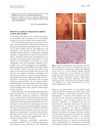 7 citations
,
June 2010 in “Journal of The American Academy of Dermatology”
7 citations
,
June 2010 in “Journal of The American Academy of Dermatology” This paper reports a single case of lichenoid cutaneous sarcoidosis that was unresponsive to standard treatments but showed marked improvement with the administration of oral tranilast.
 3 citations
,
February 2005 in “Lung Cancer”
3 citations
,
February 2005 in “Lung Cancer” The new chemotherapy combination for advanced lung cancer showed a 35.7% response rate but caused significant side effects.
 April 2024 in “Journal of asthma and allergy”
 This case report describes a 12-year-old boy with severe atopic dermatitis and comorbid alopecia areata who experienced complete hair regrowth and improved skin condition after 3 months of oral abrocitinib treatment, with no adverse reactions observed during a 1-year follow-up period.
1 citations
,
January 2026 in “International Journal of Dermatology” In this case series, three patients with advanced non-small cell lung cancer experienced severe skin eruptions and scarring alopecia after treatment with amivantamab, highlighting the critical need for prompt recognition and management of these adverse effects to minimize treatment interruptions.
3 citations
,
March 2025 in “Journal of Clinical Medicine” This study found that Ritlecitinib significantly reduced hair loss in patients with alopecia areata by lowering SALT scores at weeks 12 and 24 compared to placebo, with acceptable safety but increased minor side effects like headaches and acne.
 May 2025 in “Journal of Nanobiotechnology”
 This study reported that an ATRA-loaded nanostructured lipid carrier gel (ATRA-NLC-Gel) improved symptoms of alopecia areata in mice by enhancing transdermal drug delivery, reducing skin irritation, and promoting hair regrowth through targeted follicle enrichment and pathway activation.
July 2025 in “Journal of Investigative Dermatology” Ritlecitinib reduces alopecia areata symptoms by blocking JAK3/TEC signaling and T-cell activity.
 April 2017 in “Journal of Investigative Dermatology”
 This study suggests that sirolimus and propranolol may reduce abnormal lymphatic endothelial cell proliferation in lymphatic malformations, potentially improving vessel function and patient outcomes.
 5 citations
,
July 2023 in “International Journal of Women’s Dermatology”
5 citations
,
July 2023 in “International Journal of Women’s Dermatology” This study reports that anifrolumab showed promising improvement in a case of refractory discoid lupus erythematosus, specifically enhancing skin lesions and promoting hair regrowth, suggesting potential as an effective therapy for severe cases.
August 2024 in “JAAD Case Reports” This article reviews the current FDA-approved treatments for severe pediatric alopecia areata, including the use of Janus kinase inhibitors, but reports no new clinical findings.
20 citations
,
January 2024 in “Journal of the European Academy of Dermatology and Venereology” This study conducted a meta-analysis and found that among therapies for alopecia areata, baricitinib_4 mg was most likely to be effective, followed by ritlecitinib and ivarmacitinib, while other treatments like dupilumab and secukinumab were less effective.
 May 2018 in “European Journal of Dermatology”
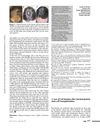
 Adjusting the medication tacrolimus resolved a boy's red nail beds after a stem cell transplant.
7 citations
,
November 2021 in “JAAD Case Reports” This study highlights that although mogamulizumab is highly effective for treating mycosis fungoides and Sézary syndrome, it frequently causes a variety of rashes as side effects.
January 2026 in “Experimental Dermatology” The study suggests that refractory chronic alopecia areata cases have more infiltrating skin resident memory T cells, and using a JAK inhibitor may be an effective treatment option.
November 2025 in “SKIN The Journal of Cutaneous Medicine” This study observed that adolescents with alopecia areata receiving ritlecitinib 50 mg daily showed notable hair regrowth over three years, as seen in both clinician- and patient-reported outcomes. However, the decreased number of participants at later stages limits the findings.
29 citations
,
July 2019 in “Dermatologic Therapy” This report describes two patients with atopic dermatitis receiving dupilumab, where one experienced healing of alopecia areata and the other developed it, illustrating the drug's varied effects.
3 citations
,
November 2023 in “The Journal of Dermatology”