July 2025 in “International Journal of Science and Research (IJSR)” This research outlines the potential of nanoemulgels as a superior alternative to conventional topical treatments, noting their ability to improve skin permeability, drug release, and therapeutic targeting, though challenges remain in formulation stability and consistency.
This chapter reviews nanocarriers for acne therapy, highlighting their ability to reduce lesions and inflammation while improving the safety and effectiveness of treatment, though no new clinical results are reported.
 21 citations
,
December 2012 in “European journal of pharmaceutics and biopharmaceutics”
21 citations
,
December 2012 in “European journal of pharmaceutics and biopharmaceutics” This study suggests that using particle-bound antiseptics may provide more effective and longer-lasting skin antisepsis compared to their non-particulate forms.
This compilation reviews side effects, drug interactions, and clinical details of dermatological and related medications but does not report new research findings.
July 2021 in “International Journal of Applied Pharmaceutics” This study described the development and evaluation of a finasteride nanogel for treating androgenetic alopecia, reporting higher cumulative drug release and enhanced spreadability compared to a plain gel, suggesting potential as a treatment option.
9 citations
,
September 2019 in “Clinical Cosmetic and Investigational Dermatology” In this article, the authors reported that calcipotriol/betamethasone dipropionate aerosol foam significantly improved scalp psoriasis symptoms in three patients by reducing itching and improving flaky patches within a four-week treatment period, confirming its efficacy and enhanced skin penetration compared to older formulations.
 9 citations
,
June 2021 in “International Journal of Pharmaceutics”
9 citations
,
June 2021 in “International Journal of Pharmaceutics” This study found that polymeric micelle nanocarriers delivered pharmacologically relevant amounts of spironolactone to the epidermis and upper dermis, with higher delivery to pilosebaceous units, suggesting potential for treating glucocorticoid-induced impaired wound healing and pilosebaceous androgen-related skin diseases.
65 citations
,
April 2000 in “The Laryngoscope” This study concluded that clotrimazole, miconazole, and tolnaftate appeared safe in guinea pigs, whereas gentian violet showed potential for severe ototoxicity, and nystatin left a concerning residue.
1 citations
,
July 2021 in “Dermatologic Therapy” 1 citations
,
November 2019 in “Dermatologic Therapy” January 2021 in “Dermatologic Therapy” November 2020 in “Dermatologic Therapy” May 2020 in “Dermatologic Therapy” March 2020 in “Dermatologic Therapy” January 2020 in “Dermatologic Therapy”  1 citations
,
February 2015 in “Journal of evolution of medical and dental sciences”
1 citations
,
February 2015 in “Journal of evolution of medical and dental sciences” This study concluded that 0.05% betamethasone dipropionate cream is more effective than other topical treatments for improving alopecia areata over 12 weeks.
 May 2026 in “Zenodo (CERN European Organization for Nuclear Research)”
 In this study, researchers formulated and evaluated an herbal hair smoothing cream containing natural ingredients like aloe vera and coconut oil, reporting significant improvements in hair smoothness, softness, shine, and manageability without irritation, suggesting it as a safer alternative to traditional hair straightening products.
7 citations
,
January 2020 in “Skin Pharmacology and Physiology” In this study using ex vivo porcine ear skin, researchers found that standard nail varnish applied gently creates effective follicular closures, preventing penetration of certain substances like fluorescein sodium salt and caffeine into hair follicles, whereas solvent-free varnish and rapid application techniques were less effective.
 6 citations
,
February 2003 in “Anais brasileiros de dermatologia/Anais Brasileiros de Dermatologia”
6 citations
,
February 2003 in “Anais brasileiros de dermatologia/Anais Brasileiros de Dermatologia” This study found no significant difference in the effectiveness of betamethasone dipropionate cream compared to placebo for treating alopecia areata in children, and atopic status did not influence treatment response.
 March 2024 in “Ukraïnsʹkij žurnal dermatologìï, venerologìï, kosmetologìï”
 This source highlights that topical retinoids, particularly adapalene and its combinations, are crucial in treating acne due to their rapid action, sustained effects, and good tolerability; the study underscores the enhanced patient adherence with Deriva C MS gel for acne treatment.
78 citations
,
May 2019 in “Frontiers in Cellular and Infection Microbiology” This study found that the antimicrobial peptide DPK-060 effectively reduced bacterial counts of Staphylococcus aureus and was safe for topical use in preclinical models, although nanocarrier encapsulation did not enhance its efficacy.
 July 1988 in “Journal of The American Academy of Dermatology”
 This article reviews therapeutic advances published between December 1986 and December 1987 but reports no new research findings; readers are advised to consult the original articles before considering new therapies.
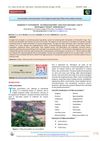 March 2023 in “International journal of pharmaceutical sciences review and research”
 In this study, an Emulgel containing Tridax procumbens extract was formulated and found to have promising physical properties and antimicrobial activity for wound healing.
 May 2015 in “Journal of The American Academy of Dermatology”
 Povidone-iodine nail solution effectively treats nail infections caused by chemotherapy.
 13 citations
,
July 2011 in “Journal of Dermatological Treatment”
13 citations
,
July 2011 in “Journal of Dermatological Treatment” This study found that topical pimecrolimus is as effective as clobetasol propionate for treating alopecia areata, with better tolerability in terms of side effects.
 18 citations
,
March 2014 in “Drug Development and Industrial Pharmacy”
18 citations
,
March 2014 in “Drug Development and Industrial Pharmacy” This study evaluated new aqueous gel formulations of minoxidil without irritants and found that the calcium alginate gel showed the best performance in terms of drug release and skin permeation.
19 citations
,
January 1993 in “Dermatologic Clinics”  April 2023 in “Journal of Investigative Dermatology”
 This study found that the oral IRAK4-inhibitors BAY 1834845 and BAY 1830839 reduced skin inflammation and systemic inflammatory responses in healthy volunteers, showing similar pharmacodynamic effects to prednisolone when challenged with topical imiquimod and intravenous LPS.
7 citations
,
June 2017 in “The Journal of Dermatology” This abstract notes a disclaimer about supporting information and does not report new research findings.
 January 1997 in “Medical Journal Armed Forces India”
 This study found that RADA-PRG hydrogels enhanced skin-derived precursor cell proliferation and improved hair follicle neogenesis in mice, suggesting potential use as a scaffold material in tissue engineering.