 2 citations
,
November 2024 in “AAPS PharmSciTech”
2 citations
,
November 2024 in “AAPS PharmSciTech” In this study, researchers found that niosomes, bilosomes, and spanlastic formulations can enhance the oral anticoagulation efficiency of rivaroxaban in rats, with spanlastic ranked as the most effective in prolonging clotting, prothrombin, and tail bleeding times compared to unprocessed rivaroxaban.
1 citations
,
May 2017 in “Journal of Clinical Oncology” This study found that applying BPM 31543 twice daily was safe, well-tolerated, and showed signs of reducing chemotherapy-induced alopecia in women receiving taxane-based chemotherapy.
 8 citations
,
August 2015 in “European Journal of Clinical Pharmacology”
8 citations
,
August 2015 in “European Journal of Clinical Pharmacology” This case report suggests that hair loss may be a potential adverse effect of rivaroxaban, though it is not listed in the product characteristics.
27 citations
,
January 2018 in “Drug Delivery” In this study, researchers investigated a new local drug delivery system using glycol chitosan hydrogel and doxorubicin (GC10/DOX) for thyroid cancer in mice, finding it produced a stronger antitumor effect compared to conventional treatment methods.
March 2022 in “Oncology Times” In this study, tebentafusp-tebn improved overall survival in patients with metastatic uveal melanoma compared to standard therapies, despite higher rates of significant adverse events.
10 citations
,
July 2016 in “Clinical and translational science” In this study, sorafenib's common adverse events, like a hand-foot syndrome and diarrhea, were observed in distinct temporal and tissue distribution patterns, revealing new relationships among effects.
14 citations
,
August 2017 in “International Journal of Immunopathology and Pharmacology” This case report describes a patient with painful skin lesions during sorafenib treatment whose symptoms improved after receiving photodynamic therapy, suggesting it might help manage similar refractory skin toxicity cases.
4 citations
,
September 2025 in “Journal of the American Academy of Dermatology” 6 citations
,
July 2025 in “Cancer Medicine” This study reported that ZSYY001, a nanoparticle formulation of polymeric micellar paclitaxel, showed promising antitumor activity and was safe and well-tolerated in preclinical models and a phase I trial, without acute hypersensitivity reactions at doses up to 390 mg/m².
 December 2021 in “Research Square (Research Square)”
 This study suggests that certain nutraceuticals may enhance the inhibitory effects of tamoxifen on estrogen in breast cancer cells and potentially offer protective benefits for hair growth in patients undergoing endocrine therapy.
January 2026 in “Romanian Journal of Military Medicine” This study found that both Lactobacillus casei extract and Newcastle disease virus significantly reduced cell viability and induced apoptosis in human colorectal cancer cells, suggesting these agents could complement standard chemotherapy and radiotherapy after further clinical trials.
12 citations
,
January 2014 in “Journal of international medical research” This study found that, among patients with NSCLC after EGFR-TKI failure, pemetrexed is as effective as docetaxel but has fewer side effects, suggesting it may be a suitable salvage chemotherapy option.
 January 1994 in “Nippon Ronen Igakkai Zasshi Japanese Journal of Geriatrics”
 In this study, both VEPA and ML-Y1 treatment regimens for older patients with non-Hodgkin's lymphoma showed similar response and survival rates, but neither was sufficient, indicating the need for a more effective approach.
 60 citations
,
June 1997 in “Drugs & Aging”
60 citations
,
June 1997 in “Drugs & Aging” Mitoxantrone with a corticosteroid helps manage symptoms for some advanced prostate cancer patients but doesn't extend life.
 14 citations
,
October 2003 in “Annals of Oncology”
14 citations
,
October 2003 in “Annals of Oncology” In this study, the researchers observed that the severity of capecitabine-induced hand-foot syndrome in advanced gastric cancer patients was not linked to the IVS14+1G→A mutation in the DPYD gene.
7 citations
,
June 2025 in “International Journal of Molecular Sciences” This review highlights that vitexin, a natural flavonoid derived from plants like mung bean, modulates critical cellular processes involved in cancer progression, suggesting its potential as a multi-target anticancer treatment in preclinical studies.
The document explains how certain drugs block hormones to treat cancers like breast and prostate cancer.
 18 citations
,
May 2013 in “Cutaneous and Ocular Toxicology”
18 citations
,
May 2013 in “Cutaneous and Ocular Toxicology” This study suggests that cutaneous adverse reactions to bortezomib and lenalidomide are more frequent than reported, impacting patients' quality of life and may require dermatological consultation for proper management.
 January 2021 in “Journal of Cancer Therapy”
 This study described the safety profile of tyrosine kinase inhibitors in treating various solid tumors, finding that the observed toxicities were consistent with existing literature.
 6 citations
,
April 2013 in “Current Dermatology Reports”
6 citations
,
April 2013 in “Current Dermatology Reports” This review discusses the cutaneous side effects associated with vemurafenib and ipilimumab in metastatic melanoma treatment and emphasizes the importance of dermatologists in managing these skin eruptions; it reports no new clinical results.
 5 citations
,
August 2014 in “Australasian journal of dermatology”
5 citations
,
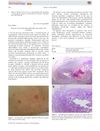
August 2014 in “Australasian journal of dermatology” This article discusses a case of delayed onset perforating folliculitis linked to the use of sorafenib, but it reports no new clinical results.
45 citations
,
October 2018 in “JCI Insight” In a preclinical mouse model, this study found that early treatment with the selective SYK inhibitor entospletinib significantly improved survival rates and clinical outcomes for graft-versus-host disease after hematopoietic stem cell transplantation compared to placebo.
 March 2026 in “International Journal of Ayurvedic Medicine (Hyderabad)”
 In this case report, a novel Ayurvedic preparation of Catharanthus roseus, used alongside conventional chemotherapy, was associated with tumor stability and improved general health in a patient with advanced esophageal squamous cell carcinoma.
3 citations
,
April 2020 in “PubMed” This study found that DEB-BACE combined with systemic chemotherapy was more effective than chemotherapy alone for unresectable lung squamous cell carcinoma, reducing side effects and improving survival rates.
 82 citations
,
December 2015 in “Nanomedicine”
82 citations
,
December 2015 in “Nanomedicine” This review discusses nanoparticle systems for cancer treatment and reports no new clinical results; the authors emphasize their potential to reduce systemic toxicity and call for further development.
4 citations
,
October 2013 in “PLoS ONE” This study found that Vemurafenib led to a broad range of cutaneous side effects in nearly all patients with advanced melanoma, highlighting the need for regular dermatologic management and UV protection.
1 citations
,
May 2022 in “The FASEB journal” This article discusses the development of targeted prodrug conjugates aimed at selectively attacking cancer cells while avoiding healthy ones, but reports no experimental results yet.
1 citations
,
January 2020 In this study, researchers found that cepharanthine significantly inhibited the growth of non-small cell lung cancer cells by inducing apoptosis through ROS generation and altering multiple signaling pathways, suggesting potential as a novel lung cancer treatment.
1 citations
,
November 2014 in “Thérapie” This article suggests using nicotinamide and minoxidil as potassium channel activators to target solid tumors, but reports no new clinical results and calls for further research.
Ivarmacitinib effectively regrows hair in severe alopecia areata.