 6 citations
,
August 2012 in “The Journal of Pediatrics”
6 citations
,
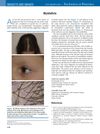
August 2012 in “The Journal of Pediatrics” This case report describes a 12-year-old girl diagnosed with monilethrix, characterized by fragile, beaded hair shafts, with no effective treatment currently available.
This article reviews the medicinal uses of sweet violet in traditional Persian medicine, highlighting its benefits for conditions like coughing in asthmatic patients, constipation, insomnia, and allergic rhinitis, while noting no special side effects at therapeutic doses.
 April 2026 in “Journal of Microbiology Biotechnology and Food Sciences”
 This study found that Carthamus caeruleus (L.) leaf extracts possess higher antioxidant and antibacterial activities compared to rhizome extracts, and are rich in phenolic and flavonoid compounds, suggesting potential use as a natural therapeutic agent.
3 citations
,
May 2018 in “Psychiatry and Clinical Psychopharmacology” In this report, an 18-year-old female with trichotillomania was successfully treated using the glutamate modulator n-acetylcysteine.
9 citations
,
January 2009 in “Journal of the European Academy of Dermatology and Venereology” This study found that a cream containing 6.0% Stryphnodendron adstringens bark extract effectively reduced terminal hair growth and improved skin conditions in women with excessive terminal hair.
5 citations
,
July 2022 in “IBRO Neuroscience Reports” This study found that camphor and similar compounds depress neural activity in rat mechanoreceptors, suggesting that their effects may not be mediated through TRP channels.
January 2005 in “ScholarSpace (University of Hawaii at Manoa)” This project reports that Vitex rotundifolia may have cancer chemotherapeutic potential due to its ability to inhibit MAP kinase phosphorylation, suggesting further investigation into its active constituents.
 26 citations
,
November 2002 in “Planta medica”
26 citations
,
November 2002 in “Planta medica” In this study, the methanol extract of Cercidiphyllum japonicum heartwood was found to stimulate the proliferation of mouse hair epithelial cells, with several isolated compounds showing significant proliferative activities.
1 citations
,
January 2018 in “Jornal Brasileiro de Patologia e Medicina Laboratorial” This case report describes a 10-year-old girl with monilethrix, detailing hereditary autosomal dominant traits and distinctive nodular hair shaft abnormalities observed in her family through clinical examination and microscopic analysis.
6 citations
,
February 2002 In this study, the bark of Spondias mombin showed potential anti-tumor effects in rats with induced cancer, reducing symptoms like hair loss and low food intake, but tachycardia was noted as a possible side effect.

This study observed that methylene blue, a mitochondrial-targeted antioxidant, promotes hair follicle stem cell proliferation and viability through reduced oxidative stress and enhanced β-catenin signaling, and it may also protect against hair loss related to glucagon-like peptide-1 receptor agonists by reducing metabolic stress.
February 2024 in “Genes to Cells” This study observed that tooth loss in mice led to premature graying of hair in the interbrow region, which was possibly due to reduced stimulation of the trigeminal nerve, suggesting that decreased mastication could cause this type of hair graying.
November 2025 in “Andalas University eThesis (Andalas University)” This study found that a rosemary extract hair tonic at concentrations up to 15% effectively promotes hair growth in male Wistar rats, achieving longer and thicker hair compared to minoxidil 2%, and causing fewer side effects.
11 citations
,
November 1991 in “Journal of Neuropathology & Experimental Neurology” This study found that brindled mottled mice, a model of Kinky hair syndrome, exhibited abnormal development of catecholamine neurons, with increased TH-immunoreactive neurons and altered neurochemical profiles compared to controls.
 March 2024 in “Revista Agraria Academica”
 This review reported that the dwarf palm (Chamaerops humilis) is traditionally used in North Africa for treating diabetes and gastrointestinal diseases, and identified a need for more research on its pharmacological and ethnobotanical properties, particularly in relation to its potential cancer-fighting uses.
 3 citations
,
January 2022 in “Medical Mycology Journal”
3 citations
,
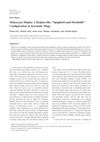
January 2022 in “Medical Mycology Journal” This study observed Malassezia hyphae in the keratotic plugs of healthy individuals, which contrasts with previous findings of these hyphae primarily in lesions of pityriasis versicolor patients.
 August 2025 in “Dermatology Reports”
 This study suggests that rosemary oil use may reduce the likelihood of premature hair greying among users in Saudi Arabia, though further research is needed to validate these findings.
20 citations
,
December 2021 in “Plants” This review concludes that Tamarix aphylla, used traditionally for ailments such as tuberculosis and hepatitis, demonstrates various pharmacological activities, including antidiabetic and wound-healing effects, but stresses the need for further research to confirm its safety and effectiveness in humans.
11 citations
,
December 2015 in “Indian journal of dermatology, venereology, and leprology” Dermoscopy quickly and accurately diagnosed a rare hair disorder in a 12-year-old girl.
 January 2024 in “Journal of Pharmacognosy and Phytochemistry”
 This paper reviews the traditional use of Martynia annua in Indian medicine, detailing its reported effectiveness against a variety of conditions such as inflammation, epilepsy, and infections, and highlights its diverse pharmacological properties which warrant further clinical research.
November 2017 in “International Journal of Biomedical and Advance Research - International Journal of Biomedical and Advance Research” This study reviews the ethnobotanical and pharmacological uses of Guazuma tomentosa, highlighting its diverse applications in traditional medicine and research findings that demonstrate its potential anti-diabetic, anti-hypertensive, anti-microbial, anti-oxidant, anti-ulcer properties, and more, in various animal models.
 October 2025 in “Zenodo (CERN European Organization for Nuclear Research)”
 In this study, the researchers observed that extracts from rosemary (including essential oil, hydrolate, and alcoholic extract) significantly promoted hair growth in male mice, surpassing the effects of the commercial drug minoxidil.
July 2026 in “Journal of Investigative Dermatology” This study in mice found that using modified illite as a carrier for topical minoxidil enabled effective delivery without the solvent toxicity typically associated with minoxidil, while the illite also promoted hair growth through anti-inflammatory and pro-proliferative mechanisms.
 March 2024 in “Cytologia”
 In this study, researchers observed that melatonin-mediated LncRNA MTC in Liaoning cashmere goat skin fibroblasts enhances cell proliferation by interacting with the GSTM1 protein, affecting its complex formation with ASK1 and thereby inhibiting apoptosis, which may be relevant for improving cashmere growth.
January 2026 in “Biospecies” In this study, a hair tonic containing black fungus extract was shown to have antifungal activity against Malassezia furfur, with the 70% extract concentration providing the strongest effect.
January 2014 in “UMS Institutional Repository (Universiti Malaysia Sabah)” This study found that Murraya koenigii extracts and compounds demonstrated potent antibacterial and cytotoxic activities, with notable effects against antibiotic-resistant strains and cancer cell lines, supporting its potential for further pharmacological investigation.
 October 2025 in “Zenodo (CERN European Organization for Nuclear Research)”
 In this study, researchers observed that rosemary plant extracts (essential oil, hydrolate, and alcoholic extract) promoted hair growth in male mice more than a distilled water control and even performed better than 5% minoxidil over five weeks.
8 citations
,
July 2022 in “Chinese Journal of Integrative Medicine” This review discusses the molecular phylogeny, chemical constituents, and therapeutic applications of medicinal plants in the Ranunculales order and reports no new clinical results.
32 citations
,
February 2020 in “PTR. Phytotherapy research/Phytotherapy research” This review examines studies on rosemary extracts for immune function, noting promising in vitro and animal evidence but highlighting a lack of human data.
 5 citations
,
October 2022 in “Journal of Ethnopharmacology”
5 citations
,
October 2022 in “Journal of Ethnopharmacology” This review of Anemarrhena asphodeloides highlights its extensive historical use in Eastern traditional medicine and identifies diverse chemical compounds with numerous pharmacological activities, noting the need for further research to understand its mechanisms and ensure safe use.