2 citations
,
July 2015 in “Journal of Dr. YSR University of Health Sciences.” This case report describes a 22-year-old female with pseudoglucagonoma syndrome, where necrolytic migratory erythema resolved after treatment with topical steroids, emollients, and intravenous protein infusions, despite normal glucagon levels and absence of a glucagon-secreting tumor.
1 citations
,
June 2024 in “BMJ Paediatrics Open” In this study, the prevalence of skin changes in hospitalized children with acute illness, categorized by nutritional status, was lower than previously reported, and the SKORDoK tool was less reliable for dermatological assessment using photographs.
20 citations
,
September 1998 in “PubMed” In this study, a dietary protein deficiency was identified as the cause of alopecia and weight loss in captive western lowland gorillas, and protein supplementation improved their condition.
February 2026 in “Endokrynologia Polska” This report presents two cases of Berardinelli–Seip syndrome, emphasizing the role of genetic analysis and comprehensive care in managing the variability and complications of this rare condition.
 4 citations
,
February 2022 in “International Journal of Molecular Sciences”
4 citations
,
February 2022 in “International Journal of Molecular Sciences” This review discusses the similarities between myotonic dystrophy and aging, highlighting the role of cellular senescence in its pathophysiology, and reports no new clinical findings; the authors note potential anti-aging therapy applications.
246 citations
,
April 1976 in “Annals of Surgery” In this study, a syndrome of zinc deficiency was observed in adults receiving intravenous feeding, with zinc supplementation improving symptoms except for delayed hair regrowth.
4 citations
,
June 2022 in “Journal of food bioactives” This review discusses long-term health impacts and physiological disruptions experienced by COVID-19 survivors, highlighting the potential of nutritional interventions to manage post-acute sequelae and metabolic complications.
18 citations
,
May 2004 in “Archives of Dermatology” This case report describes a 17-month-old girl with a history of itching skin, hair thinning, swelling, growth delay, anemia, and protein deficiency amidst potential food allergies and other health issues.
 3 citations
,
December 2021 in “Frontiers in endocrinology”
3 citations
,
December 2021 in “Frontiers in endocrinology” In this study, a novel DCAF17 gene mutation was identified in a Chinese family, suggesting a potential role in pancreatic β cell dysfunction and diabetes development in Woodhouse-Sakati syndrome.
 March 2022 in “International Journal of Current Science Research and Review”
 This article describes subclinical ketosis in pregnant cows and associates it with several metabolic changes and clinical signs, reporting decreased levels of hemoglobin and glucose and increased ketone bodies.
18 citations
,
January 1977 in “Annals of Nutrition and Metabolism” This article reviews inherited mineral and trace element disturbances and reports no clinical results; it highlights conditions like hypomagnesaemia and acrodermatitis enteropathica linked to impaired nutrient absorption.
20 citations
,
August 1979 in “PubMed” This study found that adding zinc to the drinking water improved hair coat and skin condition in moustached marmosets with symptoms resembling zinc deficiency.
 3 citations
,
June 2020 in “Cutis”
3 citations
,
June 2020 in “Cutis” This review discusses the link between nutritional deficiencies and cutaneous diseases, outlining risk factors, disease presentations, diagnostic processes, and supplementation in undernourished patients, but reports no new results.
5 citations
,
January 2000 This study observed a new skin disease in farmed mink in Canada, suggesting that an unidentified infectious agent, in association with secondary bacterial infection, may cause the condition.
 September 2024 in “International Journal of Contemporary Pediatrics”
 In this case report, a 12-year-old girl with underlying sickle-thalassemia and familial stress presented with Rapunzel syndrome, a rare gastric trichobezoar, causing generalized swelling and severe anemia, which improved after surgical intervention and multidisciplinary care.
June 2026 in “Clinical Case Reports” This case report describes a 4-month-old child with symptoms suggesting multiple carboxylase deficiency, which responded well to biotin therapy, highlighting the importance of early diagnosis and treatment to prevent serious health issues in infants with similar unexplained metabolic acidosis and symptoms.
 December 2024 in “Buletin Veteriner Udayana”
 This case report from Darmasaba Village, Bali, identified Colisepticemia in a 27-day-old chicken, based on clinical signs, pathology, and laboratory tests, and highlighted the need for improved farm hygiene and sanitation to prevent disease spread.
 June 2022 in “Journal of medical science and clinical research”
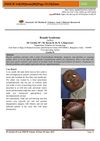
 This case report describes a weaning infant diagnosed with Brandt syndrome displaying periorificial dermatitis and rapid symptom improvement following zinc supplementation.
17 citations
,
September 2000 in “Journal of dermatology” This case report describes a rare instance where a child with nonketotic hyperglycinemia developed an acrodermatitis enteropathica-like eruption, likely due to combined zinc and branched chain amino acid deficiencies.
March 2020 in “The Thai Journal of Veterinary Medicine” This case report describes the occurrence of juvenile diabetes mellitus with concurrent exocrine pancreatic insufficiency in a Thai Bangkaew dog, highlighting its successful management with insulin, pancreatic enzymes, and methylcobalamin.
5 citations
,
January 1985 in “Annals of Nutrition and Metabolism” This study found that different doses of methionine altered the composition of developing tooth germs in newborn rats, with incisor and molar germs affected differently but no statistical difference in body weight.
18 citations
,
September 1941 in “Journal of Nutrition” This study found that male rats on a riboflavin-deficient diet gained significantly less weight and developed symptoms such as alopecia and dermatitis compared to control rats receiving riboflavin.
41 citations
,
July 2018 in “Frontiers in Neurology” This study suggests that myotonic dystrophies may qualify as segmental progeroid disorders due to molecular and clinical similarities with typical progeroid syndromes.
42 citations
,
September 2012 in “PLoS ONE” In this study, bezafibrate treatment improved certain aging-like features in a mouse model with mitochondrial dysfunction, but did not enhance muscle function or lifespan.
12 citations
,
May 2006 in “Journal of Neurology Neurosurgery & Psychiatry” Neuromyotonia and morphoea can occur together in the same body areas.
 19 citations
,
June 2020 in “Animals”
19 citations
,
June 2020 in “Animals” This study found that maternal sub-maintenance nutrition reduced the density and branching ratio of secondary wool follicles in Merino sheep fetuses and identified genes potentially involved in these processes.
24 citations
,
February 1986 in “Cancer” In this case study, a man with necrolytic migratory erythema and a glucagonoma experienced decreased plasma glucagon levels and reduced metastases after treatment with dimethyltriazenoimidazole carboxamide.
1 citations
,
July 1991 in “PubMed” This case report describes a patient with adrenomyeloneuropathy, highlighting unusual MRI findings of high signal areas in the right striatum.
7 citations
,
October 2021 in “Journal of Mind and Medical Sciences” This study found that most milk powder samples tested from the Romanian market contained element concentrations exceeding legal limits, especially potassium, calcium, chlorine, phosphorus, and aluminum.
 13 citations
,
January 2013 in “Molecular genetics and metabolism”
13 citations
,
January 2013 in “Molecular genetics and metabolism” This study reported that mice on a phenylalanine-deficient diet showed symptoms such as weight loss, gastric dilation, and thymic depletion, which echo human phenylalanine deficiency manifestations.