52 citations
,
February 2009 in “Journal of the American Academy of Dermatology” This case study identified erosive pustular dermatosis of the scalp following methylaminolaevulinate photodynamic therapy, noting improvement with steroid treatment and partial resolution of atrophy after three months.
 17 citations
,
January 2021 in “Dermatology and Therapy”
17 citations
,
January 2021 in “Dermatology and Therapy” This review discusses laser-assisted drug delivery for enhancing topical treatment efficacy in various dermatological and medical applications but reports no new clinical results, emphasizing the need for further research to optimize its use.
 4 citations
,
February 2018 in “Journal of Investigative Dermatology”
4 citations
,
February 2018 in “Journal of Investigative Dermatology” This study suggests that thermal imaging may aid in diagnosing cellulitis, potentially improving patient care, although its applicability to certain cases requires further investigation.
 27 citations
,
May 2010 in “Dermatologic surgery”
27 citations
,
May 2010 in “Dermatologic surgery” This study found that photodynamic therapy with methyl 5-aminolevulinic acid was ineffective for treating alopecia totalis, even with microneedle rolling to enhance drug delivery.
 8 citations
,
December 2008 in “Clinical and Experimental Dermatology”
8 citations
,
December 2008 in “Clinical and Experimental Dermatology” This article reports on a case where treatment-resistant giant unilateral Bowen’s disease of the scalp responded to radiotherapy, but provides no further clinical details or results.
 6 citations
,
November 2018 in “Photodiagnosis and Photodynamic Therapy”
6 citations
,
November 2018 in “Photodiagnosis and Photodynamic Therapy” This study found that using a wearable low-level light therapy device for photodynamic therapy significantly reduced actinic keratosis lesions and improved quality of life in patients with AK of the scalp.
 23 citations
,
September 2014 in “JEADV. Journal of the European Academy of Dermatology and Venereology/Journal of the European Academy of Dermatology and Venereology”
23 citations
,
September 2014 in “JEADV. Journal of the European Academy of Dermatology and Venereology/Journal of the European Academy of Dermatology and Venereology” This case report describes successful CO2 ablation treatment of porokeratotic adnexal ostial nevus in an 8-year-old boy, with marked improvement over a 12-year follow-up.
 6 citations
,
January 2016 in “Springer eBooks”
6 citations
,
January 2016 in “Springer eBooks” Invasomes effectively deliver drugs through the skin and have potential for improved treatments.
 3 citations
,
May 2018 in “European Journal of Dermatology”
3 citations
,
May 2018 in “European Journal of Dermatology” Photodynamic therapy may not work for erythroplasia of Queyrat and could lead to invasive squamous cell carcinoma.
 27 citations
,
December 2014 in “Current problems in dermatology”
27 citations
,
December 2014 in “Current problems in dermatology” This book reviews actinic keratosis from a multidisciplinary perspective, covering topics such as epidemiology, immunology, and clinical manifestations, but reports no new research results.
 14 citations
,
August 2019 in “Clinical and Experimental Dermatology”
14 citations
,
August 2019 in “Clinical and Experimental Dermatology” This study suggests that combining microneedling with ALA-photodynamic therapy may be a promising treatment option for moderate to severe alopecia areata, achieving significant hair regrowth in some patients.
 August 2010 in “The Journal of Dermatology”
 The document concludes that low-dose acne treatment is most suitable for moderate acne, with high patient satisfaction and low relapse rates.
 140 citations
,
January 2009 in “JEADV. Journal of the European Academy of Dermatology and Venereology/Journal of the European Academy of Dermatology and Venereology”
140 citations
,
January 2009 in “JEADV. Journal of the European Academy of Dermatology and Venereology/Journal of the European Academy of Dermatology and Venereology” This review discusses the application of liposomes in dermatology, highlighting their therapeutic value for drug stabilization, skin penetration enhancement, and treatment of hair follicle-associated disorders, but reports no new clinical results.
 195 citations
,
January 2008 in “Photochemistry and Photobiology”
195 citations
,
January 2008 in “Photochemistry and Photobiology” This review discusses the effects of visible light on human skin, highlighting its role in pigmentation, thermal damage, and the treatment of several skin conditions, while noting limited sunscreen protection against it; no new clinical results are reported.
 2 citations
,
August 2016 in “Lasers in Surgery and Medicine”
2 citations
,
August 2016 in “Lasers in Surgery and Medicine” In this study, photodynamic therapy was found to achieve permanent reduction of nonpigmented hair in mice, unlike an 800-nm diode laser, by targeting the hair matrix through repeated sessions.
 1 citations
,
December 2022 in “Life”
1 citations
,
December 2022 in “Life” This review systematically analyzed evidence on treatment options for erosive pustular dermatosis, finding that while potent topical steroids like clobetasol propionate can be effective, recurrence is common, and more robust studies are necessary for stronger recommendations.
40 citations
,
August 2018 in “Journal of the American Academy of Dermatology” This study reported that a 10-week course of clindamycin and rifampicin was commonly used for treating folliculitis decalvans but the evidence on its efficacy remains inconclusive due to the low quality of available studies.
14 citations
,
August 2017 in “International Journal of Immunopathology and Pharmacology” This case report describes a patient with painful skin lesions during sorafenib treatment whose symptoms improved after receiving photodynamic therapy, suggesting it might help manage similar refractory skin toxicity cases.
3 citations
,
April 2019 in “Journal of Mind and Medical Sciences” This review discusses the application of photodynamic therapy for treating oral lichen planus and indicates its potential benefits, but it reports no new clinical results.
 May 2018 in “European Journal of Dermatology”
 The first Japanese family with Marie Unna hereditary hypotrichosis showed hair condition improvement in a child and highlighted the risk of misdiagnosis.
 62 citations
,
July 2018 in “Lasers in Medical Science”
62 citations
,
July 2018 in “Lasers in Medical Science” In this review, the researchers highlight LED therapy as an emerging and safe treatment for skin inflammatory conditions, aging, and hair growth disorders, noting its integration into dermatological practice but emphasizing the need for more controlled studies to confirm its efficacy.
 1 citations
,
July 2020 in “Dermatology”
1 citations
,
July 2020 in “Dermatology” This review discusses the mechanisms, applications, and research evidence of photobiomodulation, highlighting its efficacy, safety, and potential for standardized evaluation methods, but reports no new clinical results.
 5 citations
,
January 2013 in “Journal der Deutschen Dermatologischen Gesellschaft”
5 citations
,
January 2013 in “Journal der Deutschen Dermatologischen Gesellschaft” The document concludes that individualized treatment for malignant epithelial tumors is necessary and more research on metastatic squamous cell carcinoma treatments is needed.
 112 citations
,
November 2023 in “Nano-Micro Letters”
112 citations
,
November 2023 in “Nano-Micro Letters” This review discusses the developments over the past five years in nanozyme-based theranostics for tumor therapy, including their classification, design, and synergistic strategies. It also outlines the challenges and prospects of using nanozymes to enhance selectivity, biosafety, repeatability, and stability in therapeutic applications.
 106 citations
,
July 2013 in “Advances in wound care”
106 citations
,
July 2013 in “Advances in wound care” This review discusses the potential of ultraviolet (UV) radiation technologies in wound care, highlighting their antimicrobial properties and risks of DNA damage, but reports no new clinical findings.
 22 citations
,
June 2002 in “Seminars in cutaneous medicine and surgery”
22 citations
,
June 2002 in “Seminars in cutaneous medicine and surgery” This review discusses the use of laser and flashlamp technology for unwanted hair removal and reports no new clinical results, highlighting challenges with light-colored hair and treatment safety for darker skin tones.
 15 citations
,
January 2017 in “Lasers in Surgery and Medicine”
15 citations
,
January 2017 in “Lasers in Surgery and Medicine” In this study, four male patients with extensively photodamaged scalps showed a 60-90% improvement in dyspigmentation, lentigines, and keratosis after a single treatment with the fractionated 1,927 nm thulium fiber laser, with no adverse events observed.
 12 citations
,
January 2021 in “Drugs in R&D”
12 citations
,
January 2021 in “Drugs in R&D” This review and meta-analysis found that isotretinoin is an effective treatment for dissecting cellulitis of the scalp, with a high estimated efficacy rate of 90%, yet 24% of patients experienced recurrence after successful treatment.
 5 citations
,
May 2006 in “Dermatologic Surgery”
5 citations
,
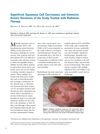
May 2006 in “Dermatologic Surgery” This study found that a PEEP of 10 mbar for 2 hours did not adversely affect liver function or gastric mucosal perfusion in patients after cardiac surgery, as long as cardiac output was maintained.