 2 citations
,
May 2017 in “Endocrinology, diabetes & metabolism case reports”
2 citations
,
May 2017 in “Endocrinology, diabetes & metabolism case reports” This report describes a rare case of painless thyroiditis induced by prolonged off-label use of Lugol’s solution in a 59-year-old woman.

This study demonstrated that de novo designed bifunctional proteins can target and degrade BCL-xL, leading to cell apoptosis, suggesting a new approach to targeted protein degradation therapy.
 June 2011 in “CRC Press eBooks”
 Low-Level Laser Therapy can stimulate healing and cell function, potentially leading to wider medical use.
 August 2026 in “Bone and Joint Research”
 In this study, tibial cortex transverse transport accelerated wound healing in diabetic rats, potentially through enhanced mobilization of non-classical monocytes and increased M2 macrophage polarization.
 3 citations
,
May 2025 in “Cell Death and Disease”
3 citations
,
May 2025 in “Cell Death and Disease” This study found that METTL1 is upregulated in papillary thyroid cancer tissues and promotes cancer cell proliferation and metastasis through its tRNA methyltransferase activity.
 6 citations
,
July 2015 in “European Journal of Dermatology”
6 citations
,
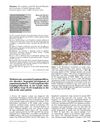
July 2015 in “European Journal of Dermatology” Stopping methotrexate might reverse lymphoma-like conditions in some patients.
 February 2010 in “Journal of The American Academy of Dermatology”
 This study found that NB-002 demonstrated clear antifungal activity and clinically significant nail clearing in subjects with distal subungual onychomycosis and ≤50% nail involvement, compared to a vehicle treatment.
15 citations
,
June 2015 in “PLoS ONE” This study found that thymosin beta-4 overexpression in mice increased hair growth speed and density, likely by regulating P38/ERK/AKT signaling through VEGF expression.
 5 citations
,
January 2018
5 citations
,
January 2018 This study optimized a screening assay to identify molecules that inhibit or enhance TRPM5 ion channel activity, which may have implications for treating dysfunctions linked to cardiac arrhythmias and diabetes.
October 2024 in “Journal of the Endocrine Society” This case report highlights that a patient with resistance to thyroid hormone was misdiagnosed as having Graves’ disease, leading to unnecessary radioactive iodine treatment.
February 2023 in “Reactions Weekly” This article lists the clinically important interactions and skin reactions of several drugs and substances, including THA, FK506, tamoxifen, tamsulosin, tartrazine, tea tree oil, temazepam, and temozolomide, but provides no new clinical results.
July 2026 in “British journal of surgery” This study found that a substantial number of patients continued tamsulosin and/or finasteride unnecessarily after prostate surgery, with poor documentation and communication contributing to this issue.
1 citations
,
October 2023 in “European Journal of Dermatology” This study found that combining hair transplantation with platelet-rich plasma led to significantly better outcomes, such as reduced hair loss area and increased hair regeneration, compared to hair transplantation alone in patients with androgenic alopecia.
 December 2022 in “Medical lasers”
 This study reviews the mechanism and potential treatment roles of low-level laser therapy for immune-mediated skin diseases, reporting no new clinical results.
 May 2018 in “European Journal of Dermatology”
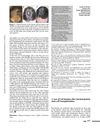
 Adjusting the medication tacrolimus resolved a boy's red nail beds after a stem cell transplant.
 38 citations
,
January 2016 in “Cell Death and Disease”
38 citations
,
January 2016 in “Cell Death and Disease” This review discusses the role of the TCL1 transgenic mouse model in understanding chronic lymphocytic leukemia biology and highlights the importance of exploring new pathogenetic and therapeutic targets.
October 2019 in “Al Mustansiriyah Journal of Pharmaceutical Sciences” This study found that the CTLA-4 gene polymorphism (rs733618) has no association with polycystic ovarian syndrome in the studied population.
 33 citations
,
January 2021 in “Aesthetic Surgery Journal”
33 citations
,
January 2021 in “Aesthetic Surgery Journal” This review suggested that low-level light therapy using red/near-infrared light could be a safe and effective treatment for various skin and hair conditions, though more robust trials are needed to solidify its clinical utility.
 5 citations
,
November 2014 in “Hair transplant forum international”
5 citations
,
November 2014 in “Hair transplant forum international” This article introduces a series on low level laser light therapy, focusing on its science, regulatory aspects, and controlled trial methodologies, but reports no new clinical results.
12 citations
,
August 2007 in “Human Molecular Genetics” This study found that Lymphotoxin-beta primarily influences periderm differentiation, impacting epidermal and hair follicle differentiation at later stages.
January 2008 in “Linchuang pifuke zazhi” This study found that betamethasone increased tyrosinase activity and melanin content in amelanotic melanocytes from human hair follicles, suggesting a potential mechanism for glucocorticoid treatment in vitiligo.
 March 2024 in “Intisari Sains Medis”
 This study highlights that juvenile SLE patients, particularly with lupus nephritis and critical conditions, may have a higher risk of thyroid dysfunction and low FT4, potentially worsening their prognosis.
April 2020 in “The Aesthetics” This article discusses the applications and proposed benefits of LED low level light therapy for various conditions like acne, wound healing, and pain relief, but provides no new clinical results.
 January 2024 in “Brazilian Journal of Hair Health”
 Combining low-level laser therapy with topical corticosteroids effectively improved Lichen Planopilaris symptoms.
 1 citations
,
February 2009 in “Clinical and Experimental Dermatology”
1 citations
,
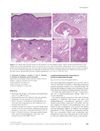
February 2009 in “Clinical and Experimental Dermatology” This study reports an improvement in lymphomatoid papulosis type A in a 52-year-old patient who concurrently used hormone-replacement therapy.
 January 1999 in “American Journal of Medical Genetics Part A”
 This case report describes a rare occurrence of ectodermal dysplasia features in a 14-year-old with MBTPS1 gene variants, expanding the known spectrum of related disorders.
 1 citations
,
September 2013 in “The Journal of Dermatology”
1 citations
,
September 2013 in “The Journal of Dermatology” An 8-year-old girl developed a rare skin condition in a linear pattern on one side of her body after a lung infection, which improved with treatment.
May 2019 in “Case medical research”  1057 citations
,
November 2011 in “Annals of Biomedical Engineering”
1057 citations
,
November 2011 in “Annals of Biomedical Engineering” This review discusses the applications of low level laser therapy (LLLT) in wound healing, pain reduction, and treating various conditions, but reports no new clinical results; the authors highlight the need for randomized controlled trials for serious diseases.