 April 2018 in “The journal of investigative dermatology/Journal of investigative dermatology”
 This study found that in a mouse model of Focal Dermal Hypoplasia, treatment with lithium carbonate improved skin disease symptoms compared to controls, though disease severity varied and posed interpretation challenges.
January 2025 in “Analytical Methods” This study reports the development of a fluorescent ionic liquid that shows high sensitivity and selectivity for detecting dextran sulfate sodium, with potential applications in clinical diagnostics and environmental monitoring.

This study found that the Lim-homeodomain transcription factor Lhx2 regulates Sonic Hedgehog signaling during early retinal neurogenesis in mice by controlling the expression of pathway genes in retinal progenitor cells.
7 citations
,
April 2021 in “Journal of Lower Genital Tract Disease” This study concluded that erosive lichen sclerosus is a distinct subtype marked by red patches on hairless skin, while ulcerated lichen sclerosus typically results from trauma in uncontrolled dermatosis.
 February 2009 in “Journal of The American Academy of Dermatology”
 This study suggests that fractional infrared technology may effectively improve cervical skin laxity by enhancing dermal thickness without adverse effects in a small pilot group.
February 2021 in “PubMed” This case report presents a 2-year-old girl with type B loose anagen syndrome diagnosed through a painless hair pull test, avoiding unnecessary further tests or referrals.
1 citations
,
December 2022 in “Plants” This study suggests that CSLD1 is key to nitrogen-dependent root hair elongation and regulation of AMT1;2 expression in rice roots.
 8 citations
,
April 2022 in “The journal of investigative dermatology/Journal of investigative dermatology”
8 citations
,
April 2022 in “The journal of investigative dermatology/Journal of investigative dermatology” This study identified biallelic variants in the LSS gene as a possible genetic cause of palmoplantar keratoderma-congenital alopecia syndrome type 2, highlighting the role of cholesterol synthesis in skin cornification.
 2 citations
,
August 2012 in “Journal of the American Academy of Dermatology”
2 citations
,
August 2012 in “Journal of the American Academy of Dermatology” This correspondence describes two patients with both epidermolysis bullosa simplex, Dowling-Meara type, and loose anagen hair syndrome, an association not previously reported in the literature.
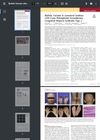
January 2021 in “Dermatology online journal” This case report describes a 2-year-old girl with loose anagen syndrome type B, confirmed by painless trichoscopic examination, with no signs in her identical twin sister.
 June 2023 in “British journal of dermatology/British journal of dermatology, Supplement”
 This study reports a rare case of two siblings with lipoedematous scalp, suggesting a possible genetic link that warrants further investigation.
This report presents a rare case of lichen spinulosus in a 52-year-old woman, featuring hyperkeratotic follicular papules and a dense lymphohistiocytic infiltrate in affected skin areas.
33 citations
,
October 2005 in “Journal of Investigative Dermatology” A specific gene mutation causes sparse, brittle hair in a family.
This study determined that the incidence of Discoid Lupus Erythematosus at the Government General Hospital, Chennai, from 2006 to 2008 was 1.7 per 1000, with localized and disseminated forms manifesting distinctive demographic and clinical patterns.
 June 2026 in “Frontiers in Cell and Developmental Biology”
 This review synthesizes the diverse roles of the transcription factor LHX2 in development, tissue maintenance, and injury repair across various organ systems, highlighting its potential therapeutic applications and significance in regenerative medicine, particularly in developmental disorders and tissue regeneration.
21 citations
,
December 2022 in “Pharmaceutics” This review found that laser-assisted drug delivery in humans was associated with several adverse effects, but no life-threatening events were reported in the studies examined.
13 citations
,
June 2014 in “Molecular therapy” This study found that a lentiviral array of reporters can identify lineage-specific promoters and pathways in mesenchymal stem cell differentiation, aiding in the prediction of signaling pathway effects.
1 citations
,
December 2020 in “Medical lasers” The laser therapy device effectively increased hair growth in people with androgenetic alopecia.
 13 citations
,
July 2014 in “The Journal of Dermatology”
13 citations
,
July 2014 in “The Journal of Dermatology” Dermoscopy helped diagnose discoid lupus erythematosus in two patients without needing skin biopsies.
 April 2023 in “Journal of Investigative Dermatology”
 In this systematic review, researchers found that individuals with lichen sclerosus have a higher prevalence of comorbidities like vitiligo, alopecia areata, and cardiovascular diseases compared to non-affected controls, and suggest screening all LS patients for cardiovascular risk factors and other diseases.
January 2005 in “Cosmetic Surgery Times” This study reports that the Luce LDS 100 infrared light therapy shows positive hair growth results after one year in men and women with androgenetic alopecia.
 202 citations
,
August 2017 in “Nature cell biology”
202 citations
,
August 2017 in “Nature cell biology” This study found that glycolytic metabolism and lactate production are crucial for hair follicle stem cell activation, and manipulating these processes can stimulate the hair cycle.
January 2025 in “Case Reports in Genetics” The researchers identified a pathogenic variant in the SRD5A2 gene among siblings with 46,XY disorder of sexual development, highlighting the importance of comprehensive genetic testing in diagnosis and management.
2 citations
,
June 2013 in “Journal of Clinical Pathology” This article reviews the role of LMNA gene mutations, particularly in Hutchinson–Gilford progeria syndrome, but does not report new experimental findings.
2 citations
,
November 2023 in “Skin Appendage Disorders” This case report documents the rare occurrence of lipedematous scalp in two black Caribbean female siblings, suggesting a potential genetic factor and noting psychiatric co-morbidities as novel associations.
 165 citations
,
September 2001 in “Genes & development”
165 citations
,
September 2001 in “Genes & development” This study found that Cutl1 mutant mice experienced retarded lung differentiation and abnormal hair follicle morphogenesis, indicating the vital role of CDP in lung development and hair follicle cell-lineage specification.
 January 2026 in “Frontiers in Medicine”
 This study suggests that coexisting LSS and TSPEAR variants might contribute to a complex phenotype of congenital hypotrichosis and ectodermal abnormalities in a child, and highlights the need for cautious interpretation of genotype-phenotype links and the potential value of broader genetic testing.
66 citations
,
August 2007 in “Applied and environmental microbiology” This study engineered a bioluminescent yeast strain responsive to androgenic chemicals, demonstrating rapid and sensitive detection suitable for high-throughput screening and environmental monitoring.
8 citations
,
July 2015 in “International Journal of Dermatology” This study reports that a homozygous A1103G mutation in DSG 4 is responsible for localized autosomal recessive hypotrichosis in a 2-year-old Chinese girl, resulting in reduced DSG 4 expression and hair defects.