 17 citations
,
October 2006 in “Molecular and Cellular Endocrinology”
17 citations
,
October 2006 in “Molecular and Cellular Endocrinology” This study found that the L457(3.43)R mutation in the human luteinizing hormone receptor increases phosphodiesterase activity, reducing hormonal response despite elevated basal cAMP levels.
 26 citations
,
October 1978 in “JAMA”
26 citations
,
October 1978 in “JAMA” Minoxidil helps treat severe high blood pressure.
 55 citations
,
October 1975 in “Circulation”
55 citations
,
October 1975 in “Circulation” Minoxidil, propranolol, and furosemide effectively control severe hypertension, but may cause sodium retention.
 October 2015 in “Elsevier eBooks”
 Spironolactone can cause side effects like high potassium levels and breast enlargement, and patients need careful monitoring.
 2 citations
,
March 2023 in “Experimental neurology”
2 citations
,
March 2023 in “Experimental neurology” In this study, pregnenolone was found to dose-dependently reduce L-DOPA-induced dyskinesias in a rat model of Parkinson's disease, suggesting its potential as a therapeutic target for these dyskinesias.
 119 citations
,
October 1992 in “Fundamental & Clinical Pharmacology”
119 citations
,
October 1992 in “Fundamental & Clinical Pharmacology” This review discusses the pharmacological properties and therapeutic potential of K+ channel opening compounds, noting their prospective use in treating cardiovascular and respiratory conditions, but reports no new results.
 5 citations
,
December 1981 in “PubMed”
5 citations
,
December 1981 in “PubMed” This study describes a case where metoprolol was associated with reversible telogen effluvium, suggesting a similar mechanism of alopecia as seen with other beta-adrenoceptor antagonists.
 61 citations
,
March 1981 in “Circulation”
61 citations
,
March 1981 in “Circulation” Minoxidil improves blood flow in heart failure patients.
 12 citations
,
December 2018 in “Clinical Ophthalmology”
12 citations
,
December 2018 in “Clinical Ophthalmology” This review summarizes clinical trials and comparative studies showing that latanoprostene bunod 0.024% is effective and safe for reducing intraocular pressure in patients with open-angle glaucoma or ocular hypertension, detailing its mechanism and side effects while considering its therapeutic role.
February 2023 in “Clinical Toxicology” This letter to the editor raises concerns about minoxidil, an arterial vasodilator also used for androgenic alopecia, noting that overdose can cause severe side effects such as distributive shock, pulmonary edema, and myocardial ischemia.
 55 citations
,
March 1973 in “PubMed”
55 citations
,
March 1973 in “PubMed” Minoxidil is a new drug that lowers blood pressure.
 June 2026 in “Frontiers in Medicine”
 This study conducted a large-scale comparison using FAERS data to assess the post-marketing safety profiles of spironolactone, eplerenone, and finerenone, finding unique adverse event patterns for each drug and highlighting the need for personalized safety monitoring and further investigation in other pharmacovigilance databases.
 September 2024 in “Journal of the American Academy of Dermatology”
 This review discusses the consensus reached by international experts on guidelines for prescribing and monitoring low-dose oral minoxidil for hair loss, and reports no new clinical results.
28 citations
,
August 2013 in “Hypertension” The authors concluded that diazoxide reduces undesirable side effects compared to minoxidil while increasing elastic fiber content and decreasing cell number in the aorta, suggesting potential suitability for treating vascular conditions with low arterial elastin and hypertension.
August 2026 in “LUMEN ET VIRTUS” In this study, low-dose oral minoxidil for androgenetic alopecia was generally safe, showing small average changes in blood pressure and heart rate with infrequent cardiovascular issues, though monitoring is essential, especially in patients with conditions like hypertension or arrhythmias.
 9 citations
,
March 1989 in “The BMJ”
9 citations
,
March 1989 in “The BMJ” Adding diltiazem to a beta blocker can cause dangerously slow heart rates.
 102 citations
,
September 1977 in “The Lancet”
102 citations
,
September 1977 in “The Lancet” Minoxidil with propranolol and diuretics lowers blood pressure but causes fluid retention and hair growth.
39 citations
,
November 2017 in “PubMed” This case series reported that low-dose naltrexone may benefit patients with lichen planopilaris by reducing scalp symptoms and slowing disease progression, with no adverse effects observed in the patients.
 1 citations
,
October 1974 in “Postgraduate medicine”
1 citations
,
October 1974 in “Postgraduate medicine” New drugs like clonidine and prazosin show promise for treating high blood pressure despite some side effects.
 20 citations
,
February 1977 in “Circulation”
20 citations
,
February 1977 in “Circulation” Minoxidil lowers blood pressure and increases heart efficiency, but may raise lung artery pressure in some people.
 January 2024 in “Wiadomości Lekarskie”
 This presentation reviews the potential of novel device-based interventions for heart failure treatment, noting that despite advances in drug therapy, many patients still experience significant symptoms. Results of these interventions, which address limitations of medication, are not reported in this abstract.
31 citations
,
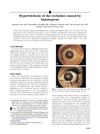
April 2005 in “American journal of ophthalmology” This case report identified lash ptosis as a potential complication of latanoprost therapy in a 61-year-old man with ocular hypertension.
 65 citations
,
November 2004 in “Journal of the American Academy of Dermatology”
65 citations
,
November 2004 in “Journal of the American Academy of Dermatology” This article reports a case where the IOP-lowering drug bimatoprost was associated with eyelash hypertrichosis.
 33 citations
,
February 1996 in “Lancet”
33 citations
,
February 1996 in “Lancet” Losartan can cause temporary loss of taste.
21 citations
,
March 2002 in “Neurology” This case report describes two postmenopausal women with Parkinson's disease who experienced reversible hair loss after using the dopamine agonists pramipexole and ropinirole.
 April 2017 in “Journal of Investigative Dermatology”
 This study suggests that sirolimus and propranolol may reduce abnormal lymphatic endothelial cell proliferation in lymphatic malformations, potentially improving vessel function and patient outcomes.
A medicine company has recalled a drug because it contained an unlisted blood pressure medication.
 January 1983 in “Side effects of drugs annual”
 This chapter reviews adverse effects of anti-anginal and beta-blocker drugs, stating that starting a beta-blocker may temporarily affect driving ability, but it reports no new clinical findings.
 3 citations
,
February 1985 in “PubMed”
3 citations
,
February 1985 in “PubMed” This report describes a case in which the use of the beta-blocker nadolol was associated with infiltrative dermatitis and significant alopecia, which resolved and resulted in total hair regrowth after discontinuation of the drug.