6 citations
,
March 2024 in “SKIN The Journal of Cutaneous Medicine” In this ongoing phase 3 study, ritlecitinib demonstrated sustained efficacy up to 24 months in patients aged 12 or older with alopecia areata, showing increased response rates with or without an initial loading dose and supporting its long-term use.
 January 2025 in “Dermatologic Therapy”
 This study found that adding low-dose oral minoxidil to standard treatment for lichen planopilaris was safe but did not significantly improve hair density or thickness, although minor hair regrowth was observed in some scarring areas.
 22 citations
,
November 2005 in “BMC Cancer”
22 citations
,
November 2005 in “BMC Cancer” This phase II study found that gemcitabine plus paclitaxel showed promising activity and manageable toxicity as first-line therapy for recurrent or metastatic breast cancer, with a 35% overall response rate.
 5 citations
,
October 2014 in “Scottish medical journal”
5 citations
,
October 2014 in “Scottish medical journal” This case study reports the first known instance of isolated sub-acute cutaneous lupus erythematosus potentially induced by long-term nitrofurantoin therapy, with effective treatment using topical steroids and hydroxychloroquine.
9 citations
,
September 2010 in “Dermatologic therapy” This study found that combined therapy with cetirizine and topical steroids stabilized inflammation in most patients with lichen planus pilaris, though one patient experienced cardiac arrhythmia.
227 citations
,
April 2023 in “The Lancet” Ritlecitinib effectively treats alopecia areata and is well-tolerated.
1 citations
,
July 2021 in “Current nanomedicine” This study found that nanostructured lipid carriers could serve as a promising vehicle for topical Acitretin delivery in psoriasis treatment, potentially reducing oral side effects and enhancing patient compliance.
102 citations
,
October 2010 in “Molecular Pharmaceutics” In this study, copper-doxorubicin liposomes with multidose therapy reduced systemic toxicity compared to ammonium sulfate-loaded doxorubicin liposomes, while combinatorial strategies further enhanced tumor regression and accumulation.
July 2024 in “Journal of Investigative Dermatology” This study found that systemic treatment with DS77754007, a KLK5 inhibitor, improved skin symptoms in a mouse model of Netherton Syndrome more effectively than certain antibody treatments, suggesting KLK5 inhibition as a promising therapeutic approach for this condition.
 1 citations
,
February 2009 in “Clinical and Experimental Dermatology”
1 citations
,
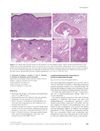
February 2009 in “Clinical and Experimental Dermatology” This study reports an improvement in lymphomatoid papulosis type A in a 52-year-old patient who concurrently used hormone-replacement therapy.
 1 citations
,
March 2026 in “American Journal of Clinical Dermatology”
1 citations
,
March 2026 in “American Journal of Clinical Dermatology” In this Italian retrospective study, ritlecitinib 50 mg/day showed effectiveness and good tolerability for treating severe alopecia areata over 24 weeks, achieving significant hair regrowth particularly in adolescents, as well as improvements in eyebrows, eyelashes, nails, and quality of life, with mostly mild adverse effects.
January 2010 in “Chinese Medical Journal of Metallurgical Industry” This study found that leflunomide combined with prednisone showed good efficacy and tolerance in treating lupus nephritis where cyclophosphamide was ineffective or intolerable.
 November 2023 in “Annales de dermatologie et de vénéréologie, FMC”
 In this study, researchers found that among adults with severe alopecia, continued treatment with baricitinib for 104 weeks maintained hair regrowth effectively in those who responded at 52 weeks, with improved outcomes noted in some initially non-responders receiving 4 mg.
1 citations
,
July 2006 in “American Journal of Psychiatry” This case report describes a probable connection between lamotrigine treatment and hair loss, resolving upon discontinuation, suggesting alopecia as a rare side effect of the drug.
 January 2024 in “Clinical and Experimental Dermatology”
 In this study, baricitinib treatment over an average of 18.5 months resulted in a 72% reduction in alopecia severity scores among patients aged 65 or older, with mild adverse effects and no severe complications reported.
 June 2017 in “Poster presentations”
 In this study, the safety profiles of four treatments for early rheumatoid arthritis were assessed over one year, and the most serious side effects necessitating treatment discontinuation were noted in the leflunomide group, whereas no such withdrawals occurred in the methotrexate plus prednisolone group.
12 citations
,
May 2010 in “Journal of Clinical Oncology” This study found that MK-5108 is well tolerated at high doses as monotherapy in cancer patients, showing stable disease and some antitumor activity, particularly in combination with docetaxel.
 February 2025 in “PubMed”
 This case report observed successful hair regrowth with ritlecitinib in a patient with severe alopecia who did not respond to a previous year of baricitinib therapy.
 January 2025 in “Biomedical Reports”
 This case report describes the first successful use of telitacicept in treating a patient with systemic lupus erythematosus and a history of papillary thyroid carcinoma, suggesting its potential as a therapeutic option for such conditions.
June 2026 in “British Journal of Dermatology” This audit of ritlecitinib prescribing for severe alopecia areata found that regional practices largely followed national guidelines but highlighted the need for better psychological assessments and more consistent use of SALT scoring to inform treatment continuation decisions after 36 weeks.
 44 citations
,
April 2006 in “Expert opinion on drug safety”
44 citations
,
April 2006 in “Expert opinion on drug safety” This review describes the approved use and adverse effects of gefitinib in patients with advanced non-small cell lung cancer, without presenting new clinical findings.
November 2025 in “SKIN The Journal of Cutaneous Medicine” This study found that approximately 85% of adults with severe alopecia areata who responded to baricitinib at 52 weeks maintained their improvement over a span of four years.
1 citations
,
December 2024 in “Archives of Iranian Medicine” This study found that tofacitinib significantly improved disease activity in most patients with LPP, though further research is needed to refine protocols, understand response predictors, and address gender-specific adverse effects.
This report describes a 7-year-old girl with monilethrix who showed significant improvement while on acitretin treatment, but symptoms returned after stopping the medication.
March 2019 in “Reactions Weekly”  June 2024 in “Archives of Medical Science”
 Telitacicept effectively improved hair regrowth in a woman with lupus and alopecia.
3 citations
,
July 2025 in “International Immunopharmacology” 
This study reported that Sintilimab combined with chemotherapy may improve outcomes in advanced NSCLC patients but carries a higher risk of certain side effects, including hypothyroidism.
 July 2003 in “Pediatrics in review”
 This article reviews 12 newly approved drugs with pediatric indications from 2001, discussing their clinical importance for general pediatricians, but reports no new clinical results.

In this study, researchers developed isotretinoin-loaded Delonix polymeric nanoparticles that target hair follicles and found they effectively sustained drug release, reduced IL-6 production in vitro without inhibiting P. acnes, and may prevent isotretinoin-related skin irritation in vivo in Wistar rats.