5 citations
,
January 2021 in “Indian Journal of Pharmacology” This case study reports generalized keratosis pilaris as a rare cutaneous side effect of nilotinib in a 40-year-old woman with chronic myeloid leukemia, highlighting the need for awareness among physicians.

This study found significant correlations between scalp and nail involvement and laboratory findings in Korean patients with chronic cutaneous lupus erythematosus, highlighting their importance for diagnosis and management.
 July 2022 in “The journal of investigative dermatology/Journal of investigative dermatology”
 This study found that locally administering thymic stromal lymphopoietin (TSLP) promotes hair growth by stimulating hair follicle cell proliferation during both normal conditions and after skin injury in mice.
June 2025 in “British Journal of Dermatology” This reported case of lichen planopilaris in siblings suggests a potential genetic predisposition, supporting the hypothesis of inherited susceptibility in this condition.

This study found that patients with lichen planopilaris exhibit a higher pro-atherogenic lipid profile and elevated atherogenic indexes, suggesting a need for increased cardiovascular and lipid monitoring in these individuals.

This study found that CPA-loaded nanoparticles, particularly SLN formulations, increased CPA epidermal penetration compared to a conventional cream and may reduce side effects in treating androgen-dependent conditions.
 17 citations
,
October 2016 in “Artificial Cells Nanomedicine and Biotechnology”
17 citations
,
October 2016 in “Artificial Cells Nanomedicine and Biotechnology” This study found that arginine-loaded lipidic nanoparticles improved hair follicle growth in male hamsters more effectively than an aqueous arginine solution.
 32 citations
,
April 2016 in “Aaps Pharmscitech”
32 citations
,
April 2016 in “Aaps Pharmscitech” This study found that nanostructured lipid carriers enhanced the skin penetration and retention of minoxidil compared to solid lipid nanoparticles, suggesting they could be a promising method for topical delivery.
 November 2016 in “Faridpur Medical College Journal”
 This study observed that Betamethasone oral mini-pulse therapy showed a good response in 60% of lichen planus patients, though further research is needed to confirm its efficacy.
9 citations
,
September 2018 in “JAAD Case Reports” This article describes a unique case of lichen planopilaris with a previously unreported trigger in one of the youngest documented adult patients, without providing new clinical results or data.
2 citations
,
September 2025 in “Future Journal of Pharmaceutical Sciences” This study reviewed the potential of Lupeol, a natural triterpenoid, in promoting hair growth and reducing inflammation related to alopecia, revealing promising molecular pathways and favorable pharmacokinetics while suggesting further research to validate these findings.
 March 1991 in “Health Policy”
 This study developed solid lipid nanoparticles as carriers for a specific gene-silencing plasmid, demonstrating effective delivery and reduced cytotoxicity in prostate cancer cells.
14 citations
,
February 2014 in “Nutrition in Clinical Practice” This A.S.P.E.N. document offers guidance for managing parenteral nutrition shortages, emphasizing alternative routes and careful allocation to prevent deficiencies.
 14 citations
,
January 2001 in “Current Treatment Options in Oncology”
14 citations
,
January 2001 in “Current Treatment Options in Oncology” Treat limited stage small cell lung cancer with chemotherapy and radiation, and consider preventive brain radiation for better survival chances.
3 citations
,
April 2019 in “Journal of Mind and Medical Sciences” This review discusses the application of photodynamic therapy for treating oral lichen planus and indicates its potential benefits, but it reports no new clinical results.
36 citations
,
July 1996 in “The journal of investigative dermatology/Journal of investigative dermatology” This research reports a new autosomal recessive mutation in mice, 'lanceolate hair', causing generalized alopecia and hair shaft abnormalities, which may serve as a model for Netherton's syndrome in humans.
1 citations
,
December 2024 in “Archives of Iranian Medicine” This study found that tofacitinib significantly improved disease activity in most patients with LPP, though further research is needed to refine protocols, understand response predictors, and address gender-specific adverse effects.
 3 citations
,
August 2017 in “Oral and Maxillofacial Surgery Cases”
3 citations
,
August 2017 in “Oral and Maxillofacial Surgery Cases” This study observed complete resolution of neuropathic pain symptoms in a patient after a fat grafting PRP procedure, suggesting it may be a less invasive treatment alternative.
 January 1998 in “Lasers in Surgery and Medicine”
 This study found that both 5-ALA and Photofrin can effectively destroy human microvascular endothelial cells in vitro and cause tissue necrosis in vivo, with Photofrin showing greater efficacy at lower concentrations or power densities.
65 citations
,
October 2015 in “Acta Biomaterialia” This study found that using a pH-sensitive layered double hydroxide nanocarrier to deliver etoposide significantly reduced liver toxicity and enhanced the drug’s effectiveness in targeting and suppressing non-small cell lung cancer.
January 2026 in “Journal of Aesthetic Nursing” This review discusses the regenerative potential of polynucleotides and polydeoxyribonucleotides in aesthetic medicine, noting their benefits for skin texture, hydration, and patient satisfaction despite limited high-quality evidence.

This study conducted a comparative analysis of platelet rich plasma and low level laser therapy for androgenetic alopecia but does not present new clinical findings.
April 2024 in “JAAD Case Reports” This article summarizes the clinical presentation of lichen planopilaris and emphasizes its prevalence among women aged 25 to 70, but reports no new clinical results.
31 citations
,
September 2014 in “Spinal Cord” September 1997 in “International Society of Hair Restoration Surgery” This announcement from Redfield Corporation introduces the first disposable linear slot punches for hair restoration surgery, with sharpness guaranteed for up to 500 recipient sites.
 2 citations
,
October 2020 in “International Journal of Dermatology”
2 citations
,
October 2020 in “International Journal of Dermatology” This study found that lichen planopilaris in men typically presents similarly to women, with a lower likelihood of nonscalp hair loss and a higher association with mucosal lichen planus and thyroid disease.
12 citations
,
January 1998 in “Clinical Infectious Diseases” This case report describes a instance of lepromatous leprosy in a renal transplant recipient, highlighting the potential for leprosy in immunocompromised patients and emphasizing the importance of including it in differential diagnoses for unusual skin lesions.
 1 citations
,
February 2009 in “Clinical and Experimental Dermatology”
1 citations
,
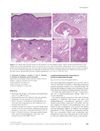
February 2009 in “Clinical and Experimental Dermatology” This study reports an improvement in lymphomatoid papulosis type A in a 52-year-old patient who concurrently used hormone-replacement therapy.
3 citations
,
December 2024 in “Pediatric Dermatology” This review discusses the clinical and histopathologic features of pediatric lichen planopilaris and reports therapeutic responses to various treatments; the condition should be considered in cases of patchy hair loss in children.
This study developed a nanocarrier-based gel to enhance the delivery and effectiveness of resveratrol in treating psoriasis. In a mouse model, the gel improved skin penetration and retention, showed notable anti-psoriatic effects, and was deemed safe and biocompatible.