Search
for
Sort by
Research
360-390 / 1000+ results
research Histologic comparison of microscopic treatment zones induced by fractional lasers and radiofrequency
This study compared the microscopic treatment zones created by different fractional lasers and radiofrequency in swine skin, finding distinct patterns and damage levels for each technology.

research Characterization and quantification of wound-induced hair follicle neogenesis using in vivo confocal scanning laser microscopy
This study found that in vivo confocal scanning laser microscopy accurately quantifies neogenic hair follicles in mice, producing results similar to histology while avoiding fixation artifacts.
research A systematic review and meta-analysis on the effects of the ultra-pulse CO2 fractional laser in the treatment of depressed acne scars
This study found that ultra-pulse CO2 fractional laser treatment improved skin smoothness and total skin lesion scores more effectively in patients with depressed acne scars compared to other treatments.
research Treatment of pseudofolliculitis barbae with the diode laser
This report describes an African-American woman with pseudofolliculitis barbae, hirsutism, and associated postinflammatory hyperpigmentation who was effectively treated with a diode laser.
research A Review of Hand-Held, Home-Use Cosmetic Laser and Light Devices
This review discusses the modest efficacy of home-use laser and light devices for conditions like hair removal and acne, noting limited evidence and a lack of robust trials.
research Synergistic Sequential Emission of Fractional 10.600 and 1540 nm Lasers for Skin Resurfacing: An Ex Vivo Histological Evaluation
This study found that the dual-wavelength non-ablative fractional laser provides enhanced skin rejuvenation by increasing thermal lesion coverage and collagen remodeling compared to using the CO2 laser alone in an ex vivo setting.
research Diode Laser 805 Hair Removal Side Effects in Groups of Various Ethnicities – Cohort Study Results
In this study, diode laser treatment for hair removal effectively reduced hair across different ethnicities and Fitzpatrick skin types, though side effects like sensitivity, hyperpigmentation, and burns varied by ethnicity and number of treatments. However, these were temporary and did not compromise overall treatment success.
research Investigation of the cutaneous penetration behavior of dexamethasone loaded to nano-sized lipid particles by EPR spectroscopy, and confocal Raman and laser scanning microscopy
This study found that nano-sized lipid particles improved the skin accumulation and retention of dexamethasone compared to a base cream, suggesting potential benefits for inflammatory skin disease treatment.
research Hair Removal With the 3-msec Alexandrite Laser in Patients With Skin Types IV-VI: Efficacy, Safety, and the Role of Topical Corticosteroids in Preventing Side Effects
This study found that the 3-msec alexandrite laser effectively reduced unwanted, pigmented hair in individuals with skin types IV and V, but was less safe in those with skin type VI.
research Treatment of Keratosis Pilaris With 810-nm Diode Laser
This study found that three treatments with the 810-nm diode laser improved skin texture and roughness/bumpiness in keratosis pilaris patients, although it did not reduce redness.
research Hair reduction: 48 months of experience with 800nm diode laser
This study found that an 800-nm diode laser was effective for reducing pigmented hair and extending hair plucking intervals, with most patients tolerating the procedure well without anesthetics.
research Re-epithelialization of the skin following CO 2 laser resurfacing
This study found that wound healing after CO(2) laser resurfacing is faster with occlusive dressings, as they enhance cell migration from hair follicles, compared to untreated skin, which showed delayed re-epithelialization.
research A Novel Treatment of Acne Keloidalis Nuchae by Long-Pulsed Alexandrite Laser
In this study, 755-nm alexandrite laser treatment significantly reduced acne keloidalis nuchae lesions in male patients, improving quality of life and showing low recurrence rates, with temporary hair loss as a reversible complication.
research Home-Use Laser and Light Devices for the Skin—An Update
This review discusses home-use laser and light skin devices for various dermatological purposes and reports no new clinical findings; the authors highlight the need for dermatologists to evaluate these devices' clinical value.
research Comparative study between fractional carbon dioxide laser vs intralesional steroid injection in treatment of alopecia areata
In this study, FCO2 laser treatment showed significantly better improvement for alopecia areata compared to traditional intralesional corticosteroid injections, with no serious side effects or relapse observed.
research Excimer Laser: A Module of the Alopecia Areata Common Protocol
The excimer laser may help hair regrow in alopecia areata patients.
research Comparison of the Effect of Diode Laser Versus Intense Pulsed Light in Axillary Hair Removal
This study found that diode laser reduced axillary hair more effectively but with greater pain than intense pulsed light, with both methods producing lasting and safe results.

research Self-Reported Outcome After Diode Laser Hair Removal
In this study, 80% of patients expressed satisfaction with diode-laser hair removal, though multiple treatments were needed for optimal results and were a deterrent for some.
research Assessment of Cytokine-Mediated Signaling Pathway Dysregulation in Arm Skin After CO2 Laser Therapy
This study found that the cytokine-mediated signaling pathway is the primary pathway disrupted in skin after CO2 laser surgery.
research Investigations on the penetration of hydrolyzed wheat proteins into human hair by confocal laser-scanning fluorescence microscopy
This study found that hydrolyzed wheat proteins extensively penetrated both untreated and chemically treated hair, primarily occupying areas like the endocuticle and cortex.

research Efficacy and Safety of Long-Pulsed 755-nm Alexandrite Laser for Keratosis Pilaris: A Split-Body Randomized Clinical Trial
In this study, long-pulsed 755-nm alexandrite laser treatment for keratosis pilaris significantly improved skin roughness and redness, as well as follicular plug reduction, with good safety and patient satisfaction compared to a moisturizing lotion alone.
research The Effect of Ruby Laser Light on Cellular Proliferation of Epidermal Cells
This study found that ruby laser hair removal causes microscopic epidermal damage but does not lead to cellular hyperproliferation, unlike ultraviolet-irradiated cell damage.
research Evaluation of the safety and efficacy of a fractional picosecond 1064 nm laser for post‐acne erythema in adult Chinese patients
This study found that treatment with fractional 1064 nm picosecond Nd:YAG laser effectively reduced post-acne erythema in adult Chinese patients without causing scarring or pigmentation issues, though some experienced temporary erythema, oedema, pruritus, and acne eruptions.
research Comparative study of the use of fractional CO 2 laser versus the use of liquid nitrogen cryotherapy in the treatment of alopecia areata in a sample of the Egyptian population
This study found that both fractional CO2 laser and cryotherapy were effective and safe treatments for alopecia areata, with the CO2 laser showing somewhat better results.
research Long-lasting treatment for moderate-severe depressed facial scars: skin and hair derived new autologous tissue filler with subcision
This study found that an autologous keratin and fibroblast tissue filler was effective for correcting moderate-severe depressed scars, with the majority of patients experiencing excellent improvement and no severe complications.
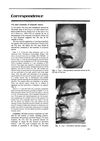
research CO2 laser treatment of traumatic tattoos
This report suggests that CO2 laser treatment may be an effective alternative for removing traumatic tattoos caused by firearms, based on two successful patient cases.

research Fractional Laser-assisted Hair Regrowth and Microneedling for the Treatment of Alopecia Areata: A Review
This literature review suggests that fractional lasers and microneedling, particularly when used with topical agents, may be effective treatments for alopecia areata; however, the small size and number of studies highlight a need for larger trials to confirm efficacy.
research Doppler laser imaging predicts response to topical minoxidil in the treatment of female pattern hair loss.
This study found that laser Doppler velocimetry can non-invasively predict topical minoxidil response by correlating scalp blood flow changes with sulfotransferase enzyme activity in women with pattern hair loss.
research Principles and clinical applications of transcutaneous laser-assisted drug delivery: A narrative review
This article reviews 12 clinical applications for transcutaneous laser-assisted drug delivery in skin disorders and concludes that it has potential for broader treatment use.