6 citations
,
July 2004 in “JDDG Journal der Deutschen Dermatologischen Gesellschaft” This case report documents two postmenopausal women with frontal fibrosing alopecia whose hair loss stabilized after treatment with topical corticosteroids, one also using minoxidil.
 April 2011 in “한국생물공학회 학술대회”
 This study found that an anti-atopic lotion containing fucoidan helped heal skin damage in hairless mice with atopic dermatitis by reducing skin thickness and modulating immune responses.
 November 2024 in “International Society of Hair Restoration Surgery”
 This treatise provides guidelines and suggestions for the safe practice of follicular unit transplantation but reports no new clinical results.
 46 citations
,
December 2001 in “Journal of Endocrinology/Journal of endocrinology”
46 citations
,
December 2001 in “Journal of Endocrinology/Journal of endocrinology” This study found that mouse FLRG protein, a secreted glycoprotein, is expressed in certain tissues and plays a role distinct from follistatin during wound healing, suggesting different functions in vivo.

In this retrospective study, researchers at a Spanish hospital found that the severity of frontal fibrosing alopecia, primarily affecting postmenopausal women, was correlated with the duration of the disease, though inflammatory signs were not linked with its progression.
 35 citations
,
October 2017 in “Signal Transduction and Targeted Therapy”
35 citations
,
October 2017 in “Signal Transduction and Targeted Therapy” This study found that fibromodulin significantly reduces scar formation and boosts scar strength in rodent and porcine models, suggesting potential for FMOD-based therapies in cutaneous wound repair.
December 2024 in “CONICET Digital (CONICET)” This study found that the small signaling peptide RALF22 plays a key role in root hair growth response to volatile compounds emitted by Penicillium aurantiogriseum through ethylene, auxin, and photosynthesis signaling in Arabidopsis.
May 2019 in “Case medical research” 27 citations
,
July 2013 in “Journal of dermatological treatment” This report describes a case where a recalcitrant folliculitis decalvans was successfully treated with a long-pulsed Nd:YAG laser.

In this study, topical latanoprost acid applied daily for 6 months increased hair count and improved trichoscopic markers among women with hair loss, suggesting its potential for treating female androgenetic alopecia, particularly at a 0.05% concentration.
43 citations
,
January 2016 in “Development” This study identified a critical NF-κB-LHX2-TGFβ2 signaling pathway essential for primary hair follicle development in mice, revealing new insights into the underlying mechanisms of morphogenesis.
4 citations
,
September 2023 in “Journal of Dermatological Treatment” In this study, the use of wellness apparel emitting red and NIR light was associated with improved disease severity in patients with mild elbow psoriasis, PMLE, and limited AA, though the small sample size and continued use of other treatments were noted as limitations.
May 2025 in “Reactions Weekly”  8 citations
,
October 2019 in “Dermatologic Therapy”
8 citations
,
October 2019 in “Dermatologic Therapy” This source explores the potential use of oral bicalutamide for treating female pattern hair loss, but specific results or outcomes from the study are not reported in the abstract.
 6 citations
,
January 2020 in “International journal of biological sciences”
6 citations
,
January 2020 in “International journal of biological sciences” In this study, deletion of ROBO4 in mice ameliorated hair loss caused by elevated PAF levels, suggesting potential interplay with VLDLR-related pathways.
 28 citations
,
November 2008 in “Facial Plastic Surgery”
28 citations
,
November 2008 in “Facial Plastic Surgery” This article reviews the development of follicular unit transplantation for hair replacement, highlighting its ability to provide natural-looking results with minimal recovery time, but results depend heavily on the skill and planning of the practitioner.

This paper argues that for lupus management, selective immunotherapies like anifrolumab and belimumab, which specifically target parts of the immune system, offer more effective treatment options compared to older, broad immunosuppressive strategies.
 February 2025 in “International Journal of Molecular Sciences”
 In this study, maternal melatonin implantation in pregnant rabbits reduced hair follicle cell apoptosis and increased hair follicle density in their neonatal offspring, suggesting a beneficial impact on hair follicle development mediated through specific molecular pathways.
 May 2024 in “International Seven Journal of Multidisciplinary”
 This review discusses fibrosing frontal alopecia, including its causes, mechanisms, and treatments, and emphasizes the need for further research to improve understanding and treatments; it reports no new clinical results.
1 citations
,
December 2020 in “Medical lasers” The laser therapy device effectively increased hair growth in people with androgenetic alopecia.
 31 citations
,
June 2018 in “Dermatologic Surgery”
31 citations
,
June 2018 in “Dermatologic Surgery” In this randomized, double-blind trial, researchers observed that low-level laser therapy led to significantly greater hair regrowth on treated areas compared to a sham treatment in patients with androgenetic alopecia over 24 weeks, suggesting it as a potentially effective and safe option.
1 citations
,
October 2025 in “Journal of Investigative Dermatology” In this study of women with frontal fibrosing alopecia, delgocitinib cream improved the molecular signature of lesions and demonstrated potential as a treatment, showing significant transcriptomic changes and some clinical improvements over 12 weeks compared to a cream vehicle.
 117 citations
,
March 2013 in “Journal of the European Academy of Dermatology and Venereology”
117 citations
,
March 2013 in “Journal of the European Academy of Dermatology and Venereology” This study reported that while no effective treatment exists for frontal fibrosing alopecia, oral 5-alpha-reductase inhibitors showed the most promise, inducing a good clinical response in 45% of patients.
 March 2026 in “Mendeley Data”
 In this study, researchers developed an open-source browser-based tool to enhance the reproducibility and accuracy of SALT score calculations from scalp photos, aimed particularly at assessing partial regrowth in alopecia areata patients on JAK inhibitor therapy.
March 2025 in “Journal of Investigative Dermatology”  5 citations
,
September 2018 in “Acta histochemica”
5 citations
,
September 2018 in “Acta histochemica” This study observed that proteins in the mTOR signaling pathway are expressed differently in the hair follicles of patients with lichen planopilaris and frontal fibrosing alopecia, suggesting a role in the pathogenesis of these conditions.
 63 citations
,
October 2011 in “Archives of Dermatology”
63 citations
,
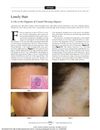
October 2011 in “Archives of Dermatology” Isolated long hairs at the original hairline can help diagnose Frontal Fibrosing Alopecia.
4 citations
,
September 2021 in “Sensors” In this study, LED therapy for eyebrow loss in older females with frontal fibrosing alopecia significantly increased eyebrow hair count after 10 treatments and maintained improvement at 6 months, indicating it could be a promising and well-tolerated treatment option.
3 citations
,
March 2023 in “PubMed” This case report describes a rare instance of successful treatment of feline leishmaniosis in a cat, with noted nephrotoxic effects possibly linked to long-term allopurinol use.
4 citations
,
May 2012 in “BMJ Case Reports” This case report describes a male infant born to a mother with systemic lupus erythematosus, presenting with neonatal lupus, who improved with conservative management and whose skin lesions resolved by 6 months of age.