July 2026 in “Environmental Science & Technology” This study found that nanoplastics' aggregation behavior on human skin, influenced by factors like concentration, photoaging, and organic constituents, affects their penetration potential through sweat glands and hair follicles, highlighting potential dermal exposure risks.
 June 2006 in “Annales de Dermatologie et de Vénéréologie”
 This review highlights the potential benefits of spironolactone in dermatology, particularly for female acne, supporting its safety over long-term use without extensive testing, but presents no new clinical results.
4 citations
,
February 2019 in “Breast Cancer Research and Treatment” This study found that applying a 1% sodium N-(dihydrolipoyl)-l-histidinate zinc complex lotion to the scalp did not prevent chemotherapy-induced alopecia in breast cancer patients, but it may aid recovery.
November 2025 in “Journal of Investigative Dermatology” Keloid fibroblasts cause itch and pain by releasing more histamine.
November 2024 in “Journal of Investigative Dermatology” Skin and hair cells release serotonin and histamine naturally, which could help improve skin health.
 22 citations
,
December 2016 in “PloS one”
22 citations
,
December 2016 in “PloS one” In this study, researchers found that the EDMTFH protein is present in specific layers of the chicken embryo skin and feathers, suggesting its role in feather mechanics and development.
This study explored the structure and function of lipocalin prostaglandin D synthase, revealing its dual role in substrate catalysis and as a lipophilic ligand carrier, potentially informing future drug delivery design.
 3 citations
,
October 2022 in “Han'gug dongmul jawon gwahag hoeji/Han-guk dongmul jawon gwahak hoeji/Journal of animal science and technology”
3 citations
,
October 2022 in “Han'gug dongmul jawon gwahag hoeji/Han-guk dongmul jawon gwahak hoeji/Journal of animal science and technology” This study found that L-glutamine supplementation in Hanwoo steers under heat stress did not affect growth performance or muscle and adipose tissue gene expression but was associated with increased immune cells and reduced HSP90 expression.
 March 2025 in “HAL (Le Centre pour la Communication Scientifique Directe)”
 This thesis investigates the underlying mechanisms and treatment options for androgenetic alopecia, highlighting the molecular roles of androgens and genetic predispositions, and evaluates current and emerging therapies, such as PROTACs and Janus Kinase inhibitors, to enhance patient management.
 January 2019 in “Journal of cosmetology & trichology”
 In this study, researchers found that supplementation with L-cystine, either alone or with a keratin hydrolysate, significantly improved hair density, hair and nail brightness, and nail growth in women experiencing acute telogen effluvium and brittle nail syndrome over three months.
 5 citations
,
June 2015 in “British Journal of Dermatology”
5 citations
,
June 2015 in “British Journal of Dermatology” This article discusses the role of lysophosphatidic acid-induced histamine release in generalized pruritus among patients with primary sclerosing cholangitis and reports no new clinical results.
 4 citations
,
January 1997 in “EXPERIMENTAL ANIMALS”
4 citations
,
January 1997 in “EXPERIMENTAL ANIMALS” This study suggests that increased activity of the histamine synthesizing enzyme histidine decarboxylase may play a role in initiating the anagen phase of hair regrowth in mice.
 2 citations
,
June 2012 in “Journal of Dermatological Science”
2 citations
,
June 2012 in “Journal of Dermatological Science” This study found that histidine decarboxylase is crucial for the hair-inducing ability of newborn mouse dermal cells, with its expression significantly decreasing in the first few days after birth.
 44 citations
,
March 2020 in “Antibiotics”
44 citations
,
March 2020 in “Antibiotics” The researchers reported that carnosic acid and carnosol, extracts from rosemary leaves, specifically inhibit S. aureus virulence expression, suggesting potential topical treatments for atopic dermatitis flares.
 October 2025 in “Archives of Clinical Toxicology”
 This commentary highlights that cetirizine, a widely-used antihistamine, remains effective for various emerging allergic conditions, and new formulations and combination therapies may enhance its effectiveness while being generally well-tolerated.
 12 citations
,
December 2022 in “Annals of Phytomedicine An International Journal”
12 citations
,
December 2022 in “Annals of Phytomedicine An International Journal” This review discusses the historical and potential medical uses of Cyperus rotundus rhizomes, but reports no new clinical results and emphasizes the need for further study on its pharmacognostic properties.
 10 citations
,
January 2023 in “Molecular and Cellular Biochemistry”
10 citations
,
January 2023 in “Molecular and Cellular Biochemistry” This review discusses the potential therapeutic role of the edible plant Solanum nigrum for managing COVID-19 symptoms and post-COVID complications based on in silico docking and pharmacological studies, but reports no new clinical results.
 6 citations
,
January 2022 in “GSC Biological and Pharmaceutical Sciences”
6 citations
,
January 2022 in “GSC Biological and Pharmaceutical Sciences” This review discusses the ethnobotanical use and bioactivity of Eclipta prostrata, highlighting its potential in treating various conditions and linking its effects to secondary metabolites.
 June 2021 in “Journal of emerging technologies and innovative research”
 This article reviews the potential hair-protective effects of Onion and Aloe vera against damage from hair dyes but reports no new experimental results.
 143 citations
,
April 2018 in “Electronic physician”
143 citations
,
April 2018 in “Electronic physician” This article discusses the potential benefits of safflower in traditional Persian medicine for various conditions and highlights the need for comprehensive phytochemical research, without reporting new clinical results.
 49 citations
,
October 2014 in “International Scholarly Research Notices”
49 citations
,
October 2014 in “International Scholarly Research Notices” This review explores the medicinal properties of Eclipta alba and its phytoconstituents and reports their potential for developing new drugs, but presents no new research results.
 January 2023 in “Open Access Research Journal of Biology and Pharmacy”
 This review discusses the phytochemistry and pharmacological properties of Martynia annua but reports no new findings; it suggests the plant's various phytoconstituents offer scope for future research.
 1 citations
,
October 2025 in “Nano Research”
1 citations
,
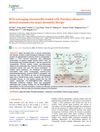
October 2025 in “Nano Research” In this study, researchers developed a dissolvable microneedle patch combining HA-TEMPO and Portulaca oleracea L.-derived nanoparticles, which effectively reduced oxidative stress and inflammation in an atopic dermatitis model while restoring immune balance, suggesting a promising treatment strategy.
 61 citations
,
September 2010 in “Fitoterapia”
61 citations
,
September 2010 in “Fitoterapia” This study found that the EtOAc extract of Tridax procumbens aerial parts significantly inhibited rat paw edema and COX enzyme activity, suggesting its potential anti-inflammatory properties.
 2 citations
,
January 2022 in “Journal of Oleo Science”
2 citations
,
January 2022 in “Journal of Oleo Science” This study found that oil from CG17 garden cress seeds had higher amounts of β-carotenoids, tocopherols, and vitamins compared to other genotypes, with varying physiochemical properties across all seeds.
 38 citations
,
October 2011 in “Analytical biochemistry”
38 citations
,
October 2011 in “Analytical biochemistry” This study used proteomic techniques to analyze human hair proteins, revealing keratin heterogeneity and identifying posttranslational modifications, such as cysteine trioxidation and methylation.
 January 1974 in “Nippon Nōgei Kagakukaishi/Nihon Nougei Kagakkaishi”
 In this study, L-methionine and L-serine application was observed to have the most significant effect on hair weight and root length, followed by acetyl L-methionine and L-serine, while glutathione inhibited growth.
 9 citations
,
January 2006 in “Cutaneous and ocular toxicology”
9 citations
,
January 2006 in “Cutaneous and ocular toxicology” This study found that L-cystine, D-pantothenat, and miliacin can enhance the metabolic capacity and proliferation of human keratinocytes, with a combination of these additives potentially providing synergistic benefits in growth media.
18 citations
,
February 2023 in “Plants” This study found that PES1CMU-defatted rice bran (DFRB) showed effective skin whitening and anti-aging properties comparable to standard treatments in cell models, suggesting its potential use in dermatocosmetics.
 23 citations
,
November 2015 in “Phytotherapy Research”
23 citations
,
November 2015 in “Phytotherapy Research” This study found that cucurbitacin I from bitter melon most effectively inhibited the growth of lung cancer cells and promoted hair cell growth in cell cultures.