19 citations
,
February 2001 in “Journal of paediatrics and child health” This report documents a 14-year-old Chinese boy with mitochondrial encephalopathy, lactic acidosis, stroke-like episodes, and a de novo A3243G mitochondrial DNA mutation, highlighting the condition's multisystem involvement without ragged red fibers in muscle biopsy.
1 citations
,
May 2011 in “DOAJ (DOAJ: Directory of Open Access Journals)” In this study, researchers detected all three genotypes associated with the MLPH gene's R199H polymorphism in a population of Czech pointer dogs, which is linked to coat color dilution.
16 citations
,
September 2015 in “International Journal of Molecular Sciences” In this study, a genetic analysis identified a pathogenic variant in the ALOXE3 gene associated with non-bullous congenital ichthyosiform erythroderma, and the patient's response to antifungal treatment highlights the risk of cutaneous fungal infections.
9 citations
,
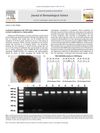
January 2014 in “Molecular Genetics and Metabolism Reports” This study discovered that a specific G to C mutation in the ornithine aminotransferase gene is linked to the retarded hair growth phenotype in mice and may serve as a model for human gyrate atrophy.
 13 citations
,
November 2009 in “Journal of Dermatological Science”
13 citations
,
November 2009 in “Journal of Dermatological Science” This article discusses various dermatological studies cited by previous authors and reports no new clinical results.
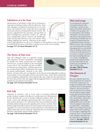 April 2015 in “Experimental Dermatology”
 Melanoma risk tools need improvement, certain gene mutations cause skin diseases and could be treated by targeting those mutations, skin wrinkling may relate to lung aging due to genetic factors, and oxidative stress affects hair loss but can be reduced in low oxygen.
6 citations
,
March 2017 in “Journal of the European Academy of Dermatology and Venereology” This article reviews genetic mutations linked to monilethrix, a hereditary hair disorder, and reports no new clinical findings on the condition's variability in symptoms and severity.
 7 citations
,
May 2005 in “Experimental Dermatology”
7 citations
,
May 2005 in “Experimental Dermatology” This study reports that two mouse models of scarring alopecia exhibit similar patterns of hair loss progression despite histological differences in inflammatory cell localization and MHC class I expression.

This study identified a genetic locus associated with rhabdomyosarcoma susceptibility in mice and found that specific differentiation markers are linked to the regression of basal cell carcinoma.
January 2007 in “Journal of Southwest University” This study identified that the ND1 gene sequence of the Asian black bear's Sichuan subspecies shares high similarity with those of other bear species, raccoons, and Ailurus fulgens.
35 citations
,
August 2006 in “Molecular genetics and metabolism” This study found significant variation in tissue mutant load in individuals with the T8993G mutation, which complicates genetic counseling and may inform genotype-phenotype correlations, especially using hair bulb mtDNA analysis.
1 citations
,
April 2008 in “Pigment Cell & Melanoma Research” This study suggests that Foxn1 expression in keratinocytes influences pigmentation in mice, highlighting differences in the molecular mechanisms between mouse and human pigmentation processes.
2 citations
,
May 2019 in “Small ruminant research” This study identified polymorphisms in HGT-KRTAP7-1 and KRTAP8-1 genes in Argentine llamas that may impact fiber characteristics by altering amino acid residues critical for keratin-associated protein properties.
26 citations
,
October 1998 in “Experimental Dermatology” This study describes a co-dominant E410D mutation in keratin hHb6 associated with severe hair loss and extensive papules in homozygous individuals, with variable expression in heterozygous family members.
 7 citations
,
January 2019 in “Australasian Journal of Dermatology”
7 citations
,
January 2019 in “Australasian Journal of Dermatology” In this study, the CYP 21A2 gene p.V281L mutation was associated with an increased susceptibility to familial frontal fibrosing alopecia, suggesting an antigen-driven mechanism linked to certain human leukocyte antigen haplotypes.
100 citations
,
November 1997 in “Human Genetics” In this study, researchers found that the prevalent Glu 410 Lys mutation in hHb6 and a new Glu 403 Lys mutation in hHb1 are linked to monilethrix, suggesting a mutational hotspot in type II hair keratins.
In this study, researchers created a mouse model using CRISPR/Cas9 technology to investigate hypotrichosis simplex and woolly hair, finding that Krt71-knockout mice exhibited curly hair and developed complete hair shedding without immune deficiencies, mimicking conditions seen in humans and potentially aiding future hair disorder research.
6 citations
,
June 2012 in “PloS one” This study identified a novel SCF mRNA splice variant in white merino sheep skin, which may play a role in hair follicle melanogenesis.
This study suggests that the ANE syndrome mutation in yeast Nop4, analogous to human RBM28, disrupts protein folding and protein-protein interactions, contributing to ribosomal dysfunction.
79 citations
,
March 2005 in “Journal of Medical Genetics” This study identified a novel heterozygous missense mutation in the hHb3 gene associated with monilethrix, highlighting its role in this hair disorder.
21 citations
,
March 2015 in “Neurological Sciences” This study reports that a novel frameshift mutation in the HTRA1 gene in a CARASIL pedigree led to reduced HTRA1 protein and increased TGF-β1 expression, potentially causing severe CARASIL and peripheral small arterial disease.
 7 citations
,
January 2018 in “Neurodegenerative Diseases”
7 citations
,
January 2018 in “Neurodegenerative Diseases” This study identified a new clinical variant of adult adrenomyeloneuropathy characterized by hypoplasia and agenesis of the corpus callosum, associated with a novel ABCD1 gene mutation.
62 citations
,
March 2017 in “Journal of Investigative Dermatology” Mutations in the ACTB gene cause Becker’s nevi and may lead to muscle issues in Becker’s nevus syndrome.
 1 citations
,
December 2015 in “Balkan Journal of Medical Genetics”
1 citations
,
December 2015 in “Balkan Journal of Medical Genetics” This study found no significant difference in the prevalence of CYP21A2 mutations between couples with unexplained fertility problems and healthy controls, but identified an association between the c.290-13A/C>G mutation and clinical issues like hormone deviations and polycystic ovary syndrome.
 9 citations
,
November 2019 in “Cell calcium”
9 citations
,
November 2019 in “Cell calcium” This study found that a mutation causing Stormorken syndrome in mice led to skeletal abnormalities and unusual hair growth, showcasing the STIM1 R304W protein’s role in bone development and cell fate.
 50 citations
,
April 2014 in “Nature Communications”
50 citations
,
April 2014 in “Nature Communications” This study analyzed skin from 538 knockout mouse mutants and identified 50 with epidermal phenotypes, providing valuable insights into genetic conditions and systemic effects related to skin abnormalities.
11 citations
,
October 2007 in “Journal of Investigative Dermatology” Mutations in the Sgk3 gene cause fuzzy hair in mice.
 1 citations
,
June 2011 in “Journal of Genetics”
1 citations
,
June 2011 in “Journal of Genetics” Some human genetic markers work for genetic studies in pig-tailed and stump-tailed macaques, which can help in their conservation.
4 citations
,
May 1998 in “PubMed” This study found that the Bsk phenotype in mice did not result from a recombination event between specific keratin genes, leaving the gene linked to this mutation unidentified.
 May 2026 in “Research Square”
 This research reports that the polyG fragment within the Hoxc13 protein alters its gene regulatory functions, which could have influenced mammalian hair evolution by affecting pathways related to hair follicle development.