14 citations
,
December 2016 in “PloS one” This study found that Keratin 26 is expressed differently in hair follicle phases, particularly during catagen and telogen, influencing cashmere growth and interacting antagonistically with the BMP signaling pathway.
 February 2025 in “Archives animal breeding/Archiv für Tierzucht”
 This study found that certain gene polymorphisms in keratin 27 and ELOVL4 are linked to improved cashmere fineness and production traits in Liaoning cashmere goats.
 3 citations
,
July 2023 in “The journal of investigative dermatology/Journal of investigative dermatology”
3 citations
,
July 2023 in “The journal of investigative dermatology/Journal of investigative dermatology” In this study, researchers found that K17−/− mice suffered more severe hair follicle damage but showed reduced epidermal inflammation after ionizing radiation, with K17's absence leading to aberrant cell cycle progression due to altered p53 genome binding and reduced B-Myb degradation.
July 2025 in “International Journal of Molecular Sciences” This genetic study identified four new keratin-associated protein genes in sheep, revealing significant sequence variation and suggesting complex evolutionary dynamics, with unique variants in some sheep breeds linking them to Romanov sheep ancestry.
 November 2022 in “Journal of Investigative Dermatology”
 Among men with androgenetic alopecia, this study found that taking 5 mg of KX-826 twice daily significantly increased hair count compared to a placebo, with the treatment being well-tolerated and no serious adverse effects reported.
 24 citations
,
April 2017 in “Oncology Reports”
24 citations
,
April 2017 in “Oncology Reports” In this study, full-size KRT81 was expressed in both normal breast epithelial and breast cancer cells, and contributed to the migration and invasion abilities of breast cancer cells.
December 2015 in “OPAL (Open@LaTrobe) (La Trobe University)” In human hair follicle keratinocytes, this study found that treatment with the pharmacological inhibitor QLT0267 led to a strong inhibition of proliferation and migration and induced nearly 100% apoptosis.
 January 2023 in “European journal of gynaecological oncology”
 This study found that depletion of KRT17 in endometrial cancer reduced cell growth, motility, and angiogenesis, suggesting KRT17 as a potential therapeutic target.
53 citations
,
June 2005 in “The journal of investigative dermatology/Journal of investigative dermatology” This article reviews extensive genetic polymorphisms in the keratin-associated proteins of human hair, indicating complexity but reporting no new clinical results and calls for further research on their potential impact on hair structure.
November 2005 in “PubMed” In this study, the researchers successfully cloned and sequenced the hairless gene cDNA of Kunming mice, revealing high conservation and functional significance among various mammalian species.
175 citations
,
September 1998 in “British Journal of Dermatology” This study found that mutations in the K17 gene underlie both pachyonychia congenita type 2 and steatocystoma multiplex phenotypes, regardless of the specific mutation involved.
52 citations
,
February 2003 in “Archives of dermatology” In this open-label trial, 9-cis-retinoic acid showed moderate activity against Kaposi sarcoma in AIDS patients, but its use is limited by substantial side effects at higher doses.
 234 citations
,
September 2004 in “Clinical cancer research”
234 citations
,
September 2004 in “Clinical cancer research” In this Phase II study, BAY 43–9006, taken orally for renal cell carcinoma, stabilized disease in 30% of patients, with 40% responding positively, although the targets remain unclear.
11 citations
,
March 2024 in “Current Issues in Molecular Biology” This review discusses the pharmacological actions and potential therapeutic benefits of ginsenoside compound K for metabolic disorders, reports no new clinical results, and suggests further research on its bioavailability and toxicity.
1 citations
,
May 1967 in “Pediatric Research” 101 citations
,
August 2001 in “The Journal of Cell Biology” This study found that while most mice lacking MK6a and MK6b genes died from tongue epithelium disintegration, about 25% survived and showed no hair or nail defects due to a newly discovered MK6hf gene.
441 citations
,
May 1996 in “Journal of Cell Science” This study found that keratin 19 may be a marker for skin stem cells, helping to characterize these cells in different conditions and potentially explaining variations in healing rates between children and adults.
November 2024 in “Journal of Investigative Dermatology” ATP-sensitive potassium channels are important for hair growth.
 5 citations
,
January 2021 in “iScience”
5 citations
,
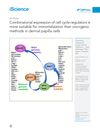
January 2021 in “iScience” Using a combination of specific cell cycle regulators is better for safely keeping hair root cells alive indefinitely compared to cancer-related methods.
 71 citations
,
August 2005 in “The journal of investigative dermatology. Symposium proceedings/The Journal of investigative dermatology symposium proceedings”
71 citations
,
August 2005 in “The journal of investigative dermatology. Symposium proceedings/The Journal of investigative dermatology symposium proceedings” This study revealed that human keratin-associated protein genes are expressed in specific patterns in hair fiber regions and vary in size, with some variations distinct across different populations.
January 1975 in “NJEA Review” This Phase II study found that BAY 43-9006, given at 400 mg orally twice daily, led to stable disease in 30% and tumor reduction in 40% of renal cell carcinoma patients.
57 citations
,
July 2000 in “Toxicology Letters” This study found that the K6/ODC transgenic mouse model is highly sensitive to identifying genotoxic carcinogens, showing 100% concordance with traditional rodent bioassays.
75 citations
,
October 1999 in “Differentiation” This study suggests that mouse keratin 6 isoforms, K6a and K6b, have overlapping but distinct expression profiles, differing notably in their expression in suprabasal cells and response to phorbol esters.
 November 2023 in “Advanced Science”
 A specific hair protein variant increases the spread of breast cancer and is linked to worse survival rates.
13 citations
,
March 1997 in “Research in Veterinary Science/Research in veterinary science” This study found that epithelial keratin K 6 is associated with hyperkeratotic and ulcerated changes in the gastric pars oesophagea of pigs, suggesting epithelial proliferation plays a role in ulcer development.
 1 citations
,
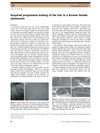
October 2012 in “The Journal of Dermatology”
1 citations
,
October 2012 in “The Journal of Dermatology” This letter to the editor describes a case of acquired progressive kinking of the hair in a Korean female adolescent, but no new research findings are reported.
 5 citations
,
August 2013 in “InTech eBooks”
5 citations
,
August 2013 in “InTech eBooks” This article reviews the role of KLF4, a transcription factor, in various cellular processes and its dual function as a tumor suppressor or oncogene depending on the context, but presents no new experimental results.
December 2025 in “Zenodo (CERN European Organization for Nuclear Research)” This abstract describes the intended benefits of Kerablak Calcium Pantothenate Tablet for hair health but reports no new clinical study findings.
This study found that expression and variants of the KRT84 gene are associated with important wool traits in Gansu Alpine Fine-wool sheep, suggesting its potential use as a genetic marker for wool trait selection.
4 citations
,
May 1998 in “PubMed” This study found that the Bsk phenotype in mice did not result from a recombination event between specific keratin genes, leaving the gene linked to this mutation unidentified.