9 citations
,
August 2021 in “Biomedicines” This study found that 17β-estradiol was the most powerful hormone for inducing APE1/Ref-1 secretion in cultured vascular endothelial cells, with secretion occurring through exosomes dependent on estrogen receptors and intracellular calcium.
 April 2023 in “The journal of investigative dermatology/Journal of investigative dermatology”
 This study found that local PGE2 injection may prevent radiotherapy-induced hair loss by protecting hair follicle cells and promoting hair follicle self-repair.
January 2023 in “Brazilian Journals Editora eBooks”  8 citations
,
July 2019 in “Pure and Applied Chemistry”
8 citations
,
July 2019 in “Pure and Applied Chemistry” This study identified natural compounds from Iris plants that showed potential as inhibitors of urease and carbonic anhydrase-II enzymes, suggesting their possible use in treating related disorders.
40 citations
,
July 2019 in “Journal of Investigative Dermatology” In this study, knockout mice lacking the Cyp4f39 gene showed severe skin barrier dysfunction and high early mortality, suggesting its critical role in skin barrier formation and insights into ichthyosis pathogenesis.
21 citations
,
March 2018 in “American Journal Of Pathology” In this study, it was observed that NIPAL4 mutations linked to autosomal recessive congenital ichthyosis lead to abnormal skin barrier function due to cytotoxic effects disrupting lipid structure and organization, which topical treatments only partially ameliorated.
 2 citations
,
January 2007 in “Acta Dermato Venereologica”
2 citations
,
January 2007 in “Acta Dermato Venereologica” In this report, a case of a bullous lesion developed at the injection site in a patient treated with PEG-IFN-α-2a for chronic hepatitis C was described.
 February 2019 in “Institutional Repositories DataBase (IRDB)” November 2024 in “bioRxiv (Cold Spring Harbor Laboratory)”
 This study introduced a novel scarless healing material called pgPE, made from a porous UHMWPE nanomembrane, and found that it promotes complete skin reconstruction and hair follicle regeneration by alleviating hypoxia and modulating immune responses to foster scar-free wound healing.
26 citations
,
January 1992 in “Carcinogenesis” This study suggests that chronic treatment with TPA in mouse skin selectively expands a keratinocyte subpopulation hyperinducible for ODC, which may be a key target for neoplastic transformation.
34 citations
,
December 2022 in “Biomedical Technology” This review discusses the potential biomedical applications of Janus membranes, especially in wound healing, and emphasizes the challenges and future prospects in their development, but reports no new experimental results.
July 2024 in “Journal of Investigative Dermatology” PH-762 shows promise in treating skin cancer by effectively targeting and silencing PD-1 in tumors with minimal side effects.
 May 2015 in “Journal of The American Academy of Dermatology”
 Povidone-iodine nail solution effectively treats nail infections caused by chemotherapy.
8 citations
,
January 2024 in “Regenerative Biomaterials” This study found that a novel bioceramic/alginate hydrogel with photothermal properties and multiple ion release effectively reduces infection and inflammation, and enhances osseointegration in early-stage peri-implant lesions, potentially improving dental implant survival rates.
 April 2026 in “bioRxiv (Cold Spring Harbor Laboratory)”
 This study introduced hydrogel microneedles loaded with palladium nanoparticles, which utilize the inherent cytotoxicity of polyethyleneimine to enhance the effectiveness of doxorubicin in treating melanoma, achieving a tumor inhibition rate of up to 98% in a murine model.
 13 citations
,
August 2007 in “Bioorganic & medicinal chemistry letters”
13 citations
,
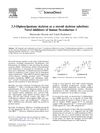
August 2007 in “Bioorganic & medicinal chemistry letters” This study developed a new competitive 5alpha-reductase inhibitor with an IC(50) of 0.84 microM using a novel chemical structure.
 1 citations
,
April 2018 in “Journal of Investigative Dermatology”
1 citations
,
April 2018 in “Journal of Investigative Dermatology” This study found that Polycomb repressive complex 1 is crucial for skin development and stem cell specification, influencing gene activity beyond its known repressor functions.
 December 2025 in “Molecules”
 This study found that the 15-PGDH inhibitor DPP improved endothelial function in hair-related cells exposed to DHT by reducing oxidative stress and enhancing angiogenic capacity.
This study found that selective deletion of PIKFyve kinase using a PF4 promoter in mice led to defective platelet lysosome biogenesis and a prothrombotic effect, with unexpected macrophage infiltration in multiple organs.

This study in a nine-year-old boy from Lebanon identified a gene mutation (c.1066dup p.(Arg356Profs*16)) associated with a rare inborn error of immunity, characterized by craniosynostosis, jaundice, and several other symptoms, expanding the known genotypic and phenotypic spectrum of this condition.
March 2015 in “Institutional Repositories DataBase (IRDB)” 
This study revealed that IP-PA1, derived from Pantoea agglomerans, promoted hair growth in mice and increased certain growth factor expressions in human cell cultures, suggesting a unique mechanism compared to traditional hair growth treatments.
116 citations
,
April 2022 in “Science Translational Medicine” This study found that the hydrophilic PTK-UR foam with EG7 repeats significantly improved wound healing in porcine skin wounds compared to other scaffolds, suggesting potential for synthetic biomaterial applications.
 9 citations
,
January 2020
9 citations
,
January 2020 This case series observed that macular changes from popper use can resolve completely after cessation, even in individuals with chronic use.
40 citations
,
July 2008 in “PROTEOMICS” This study introduced a bioengineered model that simulates acne's microenvironment in mice, enabling the exploration of host and P. acnes interactions and presenting a novel platform for anti-acne drug and vaccine screening.
May 2024 in “International journal of medicine and psychology.” This study found that elderly patients with acute coronary syndrome had higher PRU rates, and ticagrelor showed greater antiplatelet efficacy compared to clopidogrel in this population.
January 2024 in “AIP conference proceedings” 7 citations
,
August 2007 in “Journal of Biotechnology” 3 citations
,
May 2019 in “Journal of Cosmetic Dermatology” This study suggests that the dipeptide Pro-Ile has FGF18-like activity, can penetrate model human epidermis, and may have potential as a cosmetic ingredient for skin and hair regulation.
 January 2026 in “Buletin Veteriner Udayana”
 In this study, a female dog with ectoparasite infestation was treated for two weeks using wormectin, diphenhydramine, chlorpheniramine maleate, dexamethasone, and amoxicillin, resulting in improved symptoms such as reduced itching, closure of skin ulcers, and hair regrowth.