May 2011 in “Utrecht University Repository (Utrecht University)” This study found no statistically significant difference in the severity of insect bite hypersensitivity symptoms between horses receiving a nicotinamide supplement and those receiving a placebo.
 July 2014 in “Elsevier eBooks”
 The document concludes that various hypersensitivity diseases in horses can be diagnosed and treated with methods like immunotherapy and medication, and early aggressive treatment is crucial for severe diseases like equine cutaneous pythiosis.
46 citations
,
September 2010 in “Veterinary Dermatology” This retrospective study documented various skin diseases in alpacas, reporting bacterial infections as the most common, along with other conditions described for the first time.
3 citations
,
January 2018 This chapter reviews bacterial skin diseases in camelids, such as folliculitis, furunculosis, and others, providing diagnostic insights without presenting new clinical results.
18 citations
,
August 2013 in “Journal of Feline Medicine and Surgery” This report describes common cutaneous reaction patterns in cats with non-flea induced hypersensitivity dermatitis but does not provide new experimental findings or results.
 4 citations
,
January 2012 in “Elsevier eBooks”
4 citations
,
January 2012 in “Elsevier eBooks” The document concludes that various skin conditions have specific treatments, ranging from antihistamines for urticaria to surgery and medication for tumors and chronic skin diseases.
 6 citations
,
September 1994 in “Veterinary Clinics of North America: Small Animal Practice”
6 citations
,
September 1994 in “Veterinary Clinics of North America: Small Animal Practice” This review examines skin diseases affecting the pinna of dogs and cats, highlighting those unique to this area and noting its role as a common initial site for several conditions; it reports no new results.
 October 2020 in “Veterinary Dermatology”
 This review discusses autoimmune blistering diseases across species and highlights new treatment efficacy findings and ongoing trials, but it reports no new clinical results.
 23 citations
,
August 2012 in “Veterinary dermatology”
23 citations
,
August 2012 in “Veterinary dermatology” This study found that feline superficial pyoderma was more prevalent in the dermatology-referral cats studied than previously reported, affecting mainly young cats with hypersensitivities and manifesting various lesion types.
 60 citations
,
March 2014 in “Veterinary dermatology”
60 citations
,
March 2014 in “Veterinary dermatology” This study reported that the prevalence of atopic dermatitis in cats was higher than previously suggested, with severe nonseasonal pruritus most common, and certain breeds were predisposed.
4 citations
,
April 2024 in “Animals” This study reported allergic dermatitis in Brazilian donkeys linked to Culicoides insect bites, characterized by severe itching and skin lesions. The potential treatment with copaiba oil and multivitamin emulsion was explored, revealing its promise for managing this condition.
 November 2019 in “Harper's Textbook of Pediatric Dermatology”
 This index of Harper's Textbook of Pediatric Dermatology, Fourth Edition, provides no clinical results or new findings.
 September 2023 in “Journal of Nepal Paediatric Society”
 This study observed that among 206 children in India, skin infections and infestations were the most common skin conditions, highlighting a significant burden in developing countries and underscoring the importance of awareness and treatment in pediatric dermatological care.
 4 citations
,
January 2017 in “Ciência Rural”
4 citations
,
January 2017 in “Ciência Rural” This case report highlights that equine multisystemic eosinophilic epitheliotropic disease should be considered in horses presenting with skin lesions and gastrointestinal symptoms, as illustrated by the progression in a 5-year-old horse despite treatment.
 6 citations
,
July 2006 in “International Journal of Dermatology”
6 citations
,
July 2006 in “International Journal of Dermatology” This review discusses various dermatological conditions prevalent among football athletes and suggests that these are exacerbated by the sport's physical demands, environmental conditions, and use of specific equipment.
 November 2025 in “Jurnal Pendidikan Indonesia”
 In this study at the IPB Taman Kencana campus, researchers found that all examined stray cats were infested with ectoparasites, primarily Ctenocephalides felis fleas, leading to health issues such as anemia and stress.
 January 2021 in “Journal of Entomology and Zoology Studies”
 This case report describes the effective treatment of psoroptic mange in Large White Yorkshire piglets using ivermectin, cefpodoxime, chlorpheniramine, povidone iodine, and Ascabiol lotion, resulting in full recovery and absence of mites.
 January 2021 in “Research Square (Research Square)”
 This study mapped copy number variations in Chinese fine-wool sheep, identifying regions linked to important traits like milk production and growth, and highlighting a strong selection signal at the RXFP2 gene.
This study constructed a genomic map of copy number variations in fine-wool sheep, revealing their potential impact on traits like growth, nutrient metabolism, and susceptibility to selection pressures.
 434 citations
,
October 2003 in “PTR. Phytotherapy research/Phytotherapy research”
434 citations
,
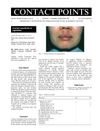
October 2003 in “PTR. Phytotherapy research/Phytotherapy research” This review discusses the use of natural products in cosmetic preparations for skin and hair care, but reports no new research results.
 38 citations
,
June 2005 in “Contact Dermatitis”
38 citations
,
June 2005 in “Contact Dermatitis” This case report describes a patient with an allergic sensitization to minoxidil, indicating that such patients should pursue alternative therapies to treat androgenetic alopecia.
 28 citations
,
November 2017 in “Skin appendage disorders”
28 citations
,
November 2017 in “Skin appendage disorders” This paper proposes a systematic approach to evaluating scalp itch using the SCALLP acronym and highlights the importance of classifying cases based on the presence of dermatological lesions and hair loss, but it reports no new clinical findings.
 8 citations
,
August 1997 in “Australasian Journal of Dermatology”
8 citations
,
August 1997 in “Australasian Journal of Dermatology” This review discusses the distinctive non-infective skin presentations of HIV infection from a dermatological perspective and reports no new clinical findings.
 7 citations
,
December 2011 in “Elsevier eBooks”
7 citations
,
December 2011 in “Elsevier eBooks” The document concludes that early diagnosis and treatment are crucial for managing skin diseases in ferrets.
 3 citations
,
July 2008 in “British journal of dermatology/British journal of dermatology, Supplement”
3 citations
,
July 2008 in “British journal of dermatology/British journal of dermatology, Supplement” Terbinafine can cause hair loss.
 2 citations
,
September 2014 in “Journal of evolution of medical and dental sciences”
2 citations
,
September 2014 in “Journal of evolution of medical and dental sciences” In this study, 92% of HIV-infected patients had mucocutaneous manifestations, with oral candidiasis being the most common condition observed.
 2 citations
,
January 2014 in “Springer eBooks”
2 citations
,
January 2014 in “Springer eBooks” The book details skin conditions in older adults, their link to mental health, cancer treatment importance, hair loss remedies, and managing autoimmune and itchy skin.
 2 citations
,
January 2005 in “Elsevier eBooks”
2 citations
,
January 2005 in “Elsevier eBooks” The document describes skin diseases affecting the outer ear in dogs and cats, their spread to other body parts, and treatment options.
 October 2023 in “Journal of Medicine, University of Santo Tomas (JMUST Online)”
 This study reported that among Filipino elderly patients, xerosis/xerotic eczema was the most common dermatological condition leading to consultation, with inflammatory dermatoses being the predominant category of skin diseases observed from 2014 to 2018 at a tertiary hospital's dermatology service.
 June 2021 in “Journal of emerging technologies and innovative research”
 This article reviews the potential hair-protective effects of Onion and Aloe vera against damage from hair dyes but reports no new experimental results.