17 citations
,
January 2004 in “European journal of obstetrics, gynecology, and reproductive biology/European journal of obstetrics & gynecology and reproductive biology” This review discusses the use of ethinylestradiol combined with antiandrogenic progestin for treating androgenisation symptoms and improving metabolic and menstrual health in women, but it does not provide new clinical data.
 5 citations
,
October 2021 in “Journal of Ovarian Research”
5 citations
,
October 2021 in “Journal of Ovarian Research” This review indicates promising potential for cinnamon supplementation to improve metabolic outcomes in PCOS, but more clinical trials with higher doses and longer durations are needed to confirm these effects.
 4 citations
,
January 2009 in “Wiley-Blackwell eBooks”
4 citations
,
January 2009 in “Wiley-Blackwell eBooks” This review discusses various alopecic conditions in domestic animals, including their clinical and histopathological aspects, but reports no new experimental findings.
3 citations
,
September 2024 in “The FASEB Journal” This review discusses the roles of dermal white adipose tissue in skin functions and pathology, underscoring its antibacterial activity and potential anti-fibrotic role, but reports no new experimental results.
 3 citations
,
January 1989 in “PubMed”
3 citations
,
January 1989 in “PubMed” This paper discusses various histologic features to distinguish types of alopecia and reports no new clinical findings.
 2 citations
,
August 2022 in “Clinical Case Reports”
2 citations
,
August 2022 in “Clinical Case Reports” This case report describes a 17-year-old girl with telogen effluvium and severe hair loss following a suspected COVID-19 infection and a history of similar episodes since childhood.
 1 citations
,
October 2022 in “Journal of food and nutrition research”
1 citations
,
October 2022 in “Journal of food and nutrition research” This review investigates the potential benefits of cinnamon supplementation alongside lifestyle changes for managing obesity and polycystic ovary syndrome, but it reports no new clinical results.
 1 citations
,
May 2012 in “Hair transplant forum international”
1 citations
,
May 2012 in “Hair transplant forum international” This article reviews the genetic and androgenic factors influencing the development of androgenetic alopecia and reports no new findings; the authors highlight a need for further research into the underlying mechanisms.
 June 2026 in “Zenodo (CERN European Organization for Nuclear Research)”
 This literature review suggests that Cyperus rotundus L extract shows promise as a natural hair growth agent due to its bioactive compounds and mechanisms that stimulate hair growth, although more human clinical trials are needed to confirm its safety and efficacy.
 June 2026 in “Current Issues in Molecular Biology”
 In this study, a botanical extract and minoxidil showed similar effects in vitro by reducing pro-inflammatory cytokines and 5α-reductase expression while increasing growth factors VEGF and KGF in human keratinocyte cells, suggesting potential for further in vivo research.
 June 2026 in “Frontiers in Bioengineering and Biotechnology”
 This review outlines the transition from simple hair follicle organoids to immune-competent microphysiological systems, addressing limitations in replicating native hair follicle immune features and discussing their applications in disease modeling and regenerative medicine.
May 2026 in “Dermatologic Surgery” This study reports conflicting evidence on whether GLP-1 receptor agonists are associated with various forms of alopecia, suggesting dermatology practitioners should consider monitoring and counseling patients using these medications.
 April 2026 in “Asian Journal of Research in Pharmaceutical Sciences”
 This review highlights the promising potential of Semecarpus anacardium Linn. in promoting hair growth due to its antioxidant and anti-inflammatory properties but emphasizes the need for further human clinical trials and safe formulation practices due to its associated toxicity in raw form.
 February 2026 in “International Journal on Science and Technology”
 This review discusses the potential benefits of Vitex negundo for managing polycystic ovarian disease, highlighting its promising effects in animal models, but notes that more rigorous human trials are needed to confirm these findings.

This study discusses the potential of phytochemicals, such as isoflavones and polyphenols, to manage PCOS symptoms by improving insulin resistance, regulating hormones, and reducing cyst size, highlighting their promise as alternative treatments given the limitations of current pharmacological options.

This review explores the connection between COVID-19 infection and telogen effluvium, highlighting the potential contribution of inflammatory and emotional factors to hair loss; it reports no clinical results.
 May 2018 in “International journal of cell science & molecular biology”
 This article discusses the biology of cosmetic aging and the chemical pathways involved, emphasizing research advancements that aid clinicians in rejuvenating skin and increasing scalp hair density, but it provides no new results.
 February 2013 in “Jurnal Biomedik : JBM”
 This article discusses therapeutic options for managing androgenic alopecia but reports no new clinical results, recommending selective and safe drugs such as growth stimulators and DHT inhibitors.
 July 2020 in “Bioinformatics and Bioengineering”
 This study found that multiple genes and pathways, particularly several keratin-associated proteins, may be involved in the molecular pathogenesis of male androgenetic alopecia.
31 citations
,
January 2009 in “Autoimmunity Reviews” This study suggests that damage to stem cells in the bulge region of hair follicles may contribute to scarring in chronic cutaneous lupus erythematosus.
This case report of a four-year-old girl with Nicolaides-Baraitser syndrome highlights severe atopic dermatitis and worsening alopecia, suggesting that SMARCA2 dysfunction may impact skin barrier integrity and hair health, necessitating aggressive dermatologic treatment.
 September 2024 in “Wound Repair and Regeneration”
 This study explored the molecular factors behind delayed wound healing in obesity, highlighting that systemic changes like inflammation and collagen deposition alterations contribute to sustained skin inflammation and reduced mechanical resistance.
 January 2021 in “Springer eBooks”
 This chapter reviews skin manifestations in common rheumatic diseases, particularly those with polyarthritis, and offers a differential diagnosis of erythema nodosum without presenting new research findings.
11 citations
,
June 2021 in “Preprints.org” This review discusses the potential role of melatonin in atopic dermatitis, focusing on its antioxidant and immunomodulatory effects, but reports no new clinical results.
4 citations
,
August 1971 in “Pediatric clinics of North America/The Pediatric clinics of North America” Childhood hair and scalp disorders can be managed with treatments like cortisone and corticosteroids.
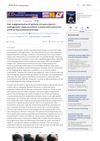 February 2024 in “Journal of Cosmetic Dermatology”
 White hair patch repigmented and hair regrew in a balding patient after treatment with exosomes and laser.
May 2020 in “Lithuanian University of Health Sciences” This review discusses alopecia areata as an autoimmune condition affecting hair follicles and highlights ongoing research efforts, but reports no new clinical results.
 January 2014 in “Journal of Investigative Dermatology”
 Proteins like aPKC and PDGF-AA, substances like adenosine and ATP, and adipose-derived stem cells all play important roles in hair growth and health, and could potentially be used to treat hair loss and skin conditions.
April 2012 in “Cancer Research” In this study, mouse models with EGFR deficiency showed that disrupted hair follicle cycling leads to increased mast cell numbers and inflammation, suggesting EGFR's role in managing hair cycle transitions and preventing folliculitis.
February 2026 in “ACS Applied Materials & Interfaces” This study developed a novel treatment method using carbon dots from Cinnamomum burmannii leaves, which improved hair regeneration and thickness in an AGA mouse model by promoting cell proliferation, angiogenesis, and reducing inflammation through multiple signaling pathways.