 August 2015 in “Free Radical Biology and Medicine”
 This study found that Nrf2 activation protected keratinocytes from UVB damage but also caused thickening, inflammation, and cysts, limiting its therapeutic potential for skin protection.
 94 citations
,
September 2008 in “Journal of the American Academy of Dermatology”
94 citations
,
September 2008 in “Journal of the American Academy of Dermatology” This study found that traction alopecia risk was higher in adults than children and increased further when traction was combined with chemically relaxed hair.
 42 citations
,
June 2012 in “Clinical and Experimental Dermatology”
42 citations
,
June 2012 in “Clinical and Experimental Dermatology” This study found that 'black dots' seen under trichoscopy are not specific to alopecia areata and may occur in various other hair and scalp conditions.
 40 citations
,
January 1996 in “Journal of Dermatological Treatment”
40 citations
,
January 1996 in “Journal of Dermatological Treatment” This study found that using an antimicrobial lotion for 18 months may reduce inflammation and potentially partially reverse hair loss in men with androgenetic alopecia.
 30 citations
,
January 2020 in “Journal of The American Academy of Dermatology”
30 citations
,
January 2020 in “Journal of The American Academy of Dermatology” This review reports no new clinical results but discusses fibrosing alopecia in a pattern distribution as a distinct scarring alopecia with characteristics of both androgenetic alopecia and lichen planopilaris.
 30 citations
,
May 2016 in “International Journal of Cosmetic Science”
30 citations
,
May 2016 in “International Journal of Cosmetic Science” This study found that apoptosis was more prevalent in hair follicles of women with female pattern hair loss, particularly in miniaturized follicles, and was associated with follicular inflammation.
 29 citations
,
November 2014 in “Experimental Dermatology”
29 citations
,
November 2014 in “Experimental Dermatology” This study found that α-MSH administration before skin wounding in adult mice reduced inflammation and scar area, suggesting a potential pathway to more regenerative healing.
8 citations
,
November 2024 in “EMBO Molecular Medicine” In this study, researchers found that disrupting EGFR signaling in mice led to increased inflammation and hair follicle damage but that inhibiting the JAK-STAT1 pathway could restore hair growth and skin function.
 8 citations
,
November 2017 in “Journal of Investigative Dermatology”
8 citations
,
November 2017 in “Journal of Investigative Dermatology” In this study, researchers found that androgenetic alopecia is associated with increased gene expression related to inflammation, stress, and fibrosis, particularly affecting the hair follicle stem cells and showing similarities to diseases like psoriasis.
 6 citations
,
July 2013 in “Experimental and Therapeutic Medicine”
6 citations
,
July 2013 in “Experimental and Therapeutic Medicine” This study found that topical ginsenoside Rg1 may protect skin from UVB-induced damage in mice by reducing pathological changes and modulating cytokine mRNA expression associated with inflammation and immune response.
 June 2026 in “Revista Brasileira de Saúde”
 This study reviewed current scientific evidence on the use of exosomes for treating alopecias, finding they may stimulate dermal papilla cell proliferation and modulate inflammation, though challenges in standardization and long-term efficacy remain.
 131 citations
,
August 2000 in “International Journal of Dermatology”
131 citations
,
August 2000 in “International Journal of Dermatology” Inflammation may be linked to hair loss, and targeting specific enzymes could help treat it.
 6 citations
,
April 2013 in “Assiut Veterinary Medical Journal/Maǧallaẗ Asyūṭ al-ṭibiyyaẗ al-baytariyyaẗ”
6 citations
,
April 2013 in “Assiut Veterinary Medical Journal/Maǧallaẗ Asyūṭ al-ṭibiyyaẗ al-baytariyyaẗ” This study found that 67.11% of cats treated for otitis at Assiut University's Small Animal Clinic completely recovered, with ivermectin injections and topical treatments being commonly used.
 72 citations
,
July 2008 in “Dermatologic Therapy”
72 citations
,
July 2008 in “Dermatologic Therapy” This article reviews central centrifugal cicatricial alopecia in African-descent females, discussing possible causes, associated styling habits, and potential treatments, but reports no new clinical findings; the authors call for further research.
 42 citations
,
June 2009 in “Journal of Cosmetic Dermatology”
42 citations
,
June 2009 in “Journal of Cosmetic Dermatology” In this study, researchers observed that follicular microinflammation significantly contributes to the early stages of male androgenetic alopecia, potentially leading to perifollicular fibrosis and follicle destruction as the condition progresses.
 39 citations
,
January 2013 in “Indian Journal of Dermatology, Venereology and Leprology”
39 citations
,
January 2013 in “Indian Journal of Dermatology, Venereology and Leprology” This article discusses the role of growth hormone, insulin, and IGF-1 in acne development and highlights how diet and syndromic evidence support their involvement, but presents no new clinical findings.
 33 citations
,
June 2012 in “Journal of Crohn's and colitis”
33 citations
,
June 2012 in “Journal of Crohn's and colitis” This review discusses the role of immune responses, especially Th1 cytokines, in alopecia areata pathogenesis and reports no new research findings.
 26 citations
,
June 2005 in “Journal of The American Academy of Dermatology”
26 citations
,
June 2005 in “Journal of The American Academy of Dermatology” In this study, pegylated interferon alfa-2b injections led to local cutaneous reactions, including cutaneous necrosis, in patients with hepatitis C and chronic myelocytic leukemia, requiring dose modifications or treatment withdrawal in some cases.
 21 citations
,
November 2009 in “Dermatologic Clinics”
21 citations
,
November 2009 in “Dermatologic Clinics” This review discusses hair abnormalities in various epidermolysis bullosa subtypes and reports no new clinical findings.
 20 citations
,
March 2017 in “Journal of cutaneous pathology”
20 citations
,
March 2017 in “Journal of cutaneous pathology” This study describes tumor necrosis factor inhibitor-associated psoriatic alopecia, highlighting the distinctive histologic feature of sebaceous lobule atrophy, which is potentially reversible and helps differentiate it from idiopathic psoriatic alopecia.
 19 citations
,
January 2015 in “Current problems in dermatology”
19 citations
,
January 2015 in “Current problems in dermatology” This review discusses environmental factors like UV radiation and smoking that affect hair health and highlights the potential role of nutrition, but it reports no new results.
 16 citations
,
October 2018 in “Experimental Dermatology”
16 citations
,
October 2018 in “Experimental Dermatology” This study suggests that mesenchymal stem cell therapy may improve cell viability and regulate key signaling pathways in vitro for treating alopecia areata.
 16 citations
,
February 2010 in “Journal of the European Academy of Dermatology and Venereology”
16 citations
,
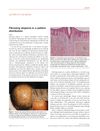
February 2010 in “Journal of the European Academy of Dermatology and Venereology” This article is a letter to the editor about fibrosing alopecia in a pattern distribution and reports no new research findings.
 15 citations
,
October 2012 in “InTech eBooks”
15 citations
,
October 2012 in “InTech eBooks” Niosomes are a promising and effective way to deliver drugs through the skin.
15 citations
,
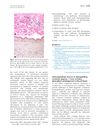
January 2015 in “Skin Appendage Disorders” This report discusses a series of patients with frontal fibrosing alopecia experiencing increased scalp sweating, which the authors hypothesize may be related to local skin inflammation affecting sweat gland activity.
 15 citations
,
September 2014 in “Journal of The American Academy of Dermatology”
15 citations
,
September 2014 in “Journal of The American Academy of Dermatology” This study found that seven cases of cicatricial alopecia initially diagnosed as discoid lupus erythematosus were more consistent with lichen planopilaris based on histopathology.
 12 citations
,
January 2020 in “touchREVIEWS in Endocrinology”
12 citations
,
January 2020 in “touchREVIEWS in Endocrinology” Testosterone may both worsen and protect against COVID-19 effects in men.
 10 citations
,
January 2016 in “Dermatology”
10 citations
,
January 2016 in “Dermatology” This study found a significant reduction in the number and size of sebaceous glands in psoriatic skin lesions, indicating potential involvement in psoriatic alopecia.
 10 citations
,
June 1998 in “International Journal of Dermatology”
10 citations
,
June 1998 in “International Journal of Dermatology” This article discusses inflammatory perifollicular fibrosis and alopecia but provides no new research findings.
 8 citations
,
May 2021 in “Journal of the European Academy of Dermatology and Venereology”
8 citations
,
May 2021 in “Journal of the European Academy of Dermatology and Venereology” This case report describes a 23-year-old male patient with nail discoloration that may be associated with COVID-19, suggesting possible microvascular damage.