 September 2017 in “Journal of Investigative Dermatology”
 This study found that intradermal injections of cultured autologous dermal sheath cup cells for androgenetic alopecia showed hair loss stabilization at 24 months without serious adverse effects and a sustained response in some participants.
 December 2019 in “Mehmet Akif Ersoy Üniversitesi Sağlık Bilimleri Enstitüsü dergisi”
 In this case series, two cats with hypothyroidism and hyperthyroidism achieved clinical remission and normal thyroid function following timely diagnosis and targeted treatment with levothyroxine and methimazole, respectively.
July 2026 in “International Journal of Innovative Science and Research Technology (IJISRT)” This study developed and tested a Brahmi-based herbal shampoo, finding it effective for cleaning hair, maintaining suitable pH and foaming properties, and being stable and safe for regular use without irritation or damage.
June 2025 in “Pharmacognosy Research” This study reviews the rich chemical composition and traditional medicinal uses of Dillenia indica, highlighting its potential therapeutic applications in various health conditions like diabetes, inflammation, and microbial infections, while noting its nutritional value in regional cuisine.
 September 2025 in “International Journal of Ayurvedic Medicine”
 This study observed distinct variations in hair medulla patterns among people with different Ayurvedic Prakruti types, linking stronger hair integrity to Kapha-dominant types and weaker, fragmented medullae to Vata and Pitta-dominant types, potentially aiding in Dosha-specific hair care and assessment.
 1 citations
,
September 2024 in “International Journal of Advanced Multidisciplinary Research and Studies”
1 citations
,
September 2024 in “International Journal of Advanced Multidisciplinary Research and Studies” This study observed that 100% of cancer patients at Dr. Moewardi Surakarta Hospital receiving carboplatin-paclitaxel chemotherapy experienced grade 2 alopecia as an adverse drug reaction.
This study found that in an ex vivo model simulating alopecia areata, the DHODH inhibitor farudodstat reduced T-cell proliferation and MHC protein expression in hair follicles, suggesting it may protect against immune privilege collapse without cytotoxic effects.
 April 2023 in “Tikrit journal of pharmaceutical sciences”
 This pilot study found that ginger may improve hair growth and allow for a reduction in prednisolone dosage by mitigating oxidative stress in patients with alopecia areata over 60 days.
 December 2015 in “International Journal of Ayurvedic Medicine”
 This article reviews various Keshya drugs described in Bhava Prakasha Nighantu for hair care and reports no new research findings.
 1 citations
,
January 2024 in “Curēus”
1 citations
,
January 2024 in “Curēus” This case study reported significant clinical improvement in a 26-year-old male with dissecting cellulitis of the scalp after treatment with upadacitinib, suggesting that JAK inhibitors may be a promising option for refractory cases, where standard treatments have limited success.
2 citations
,
May 2025 in “Journal of Clinical Medicine” This study reported that in a case series of three adolescents with alopecia areata and atopic dermatitis, treatment with 15 mg/day of upadacitinib led to rapid improvement in skin symptoms and significant hair regrowth over 12 months, with no severe adverse events observed.
 7 citations
,
June 2010 in “Journal of The American Academy of Dermatology”
7 citations
,
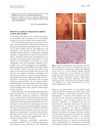
June 2010 in “Journal of The American Academy of Dermatology” This paper reports a single case of lichenoid cutaneous sarcoidosis that was unresponsive to standard treatments but showed marked improvement with the administration of oral tranilast.
 April 2020 in “Dermatology and therapy”
 This study found that Dex-loaded hyaluronic acid hydrogel microneedles significantly reduced pain in an acute inflammatory visceral pain model without sedation, suggesting a promising and patient-friendly alternative to intravenous delivery.
2 citations
,
January 2012 in “Australian and New Zealand journal of psychiatry” Haloperidol decanoate can cause alopecia areata.
 19 citations
,
October 2009 in “Bioorganic & Medicinal Chemistry Letters”
19 citations
,
October 2009 in “Bioorganic & Medicinal Chemistry Letters” This study found that a thyroid hormone receptor ẞ subtype-selective thyromimetic was effective in promoting hair growth in mouse and monkey models when applied topically.
October 2025 in “International Journal of Molecular Sciences” This study found that topical rebamipide, originally a gastric ulcer medication, can activate hair follicle stem cells and promote hair regeneration by modulating dermal adipocyte metabolism, with potential targeting of the prostaglandin E receptor EP4.
July 2024 in “Indian Dermatology Online Journal” In this case study, a 45-year-old immunocompetent woman with tinea capitis exhibited an unusual presentation of the infection with a scaly plaque and hair loss, which responded well to treatment with itraconazole.
 7 citations
,
March 2021 in “Journal of animal science/Journal of animal science ... and ASAS reference compendium”
7 citations
,
March 2021 in “Journal of animal science/Journal of animal science ... and ASAS reference compendium” In this study, bromocriptine's inhibition of prolactin promoted secondary follicle development during anagen in cashmere goats, likely via changes in specific gene expressions, despite not affecting fiber characteristics or primary follicle activity.
April 2018 in “International journal of innovative research in medical science” In this randomized controlled clinical study, researchers found that Neem and Zanjabeel treatment was as effective as standard hormonal therapy in reducing hirsutism and improving biochemical and hormonal parameters in women with polycystic ovarian disease, while also significantly lowering fasting insulin and lipid levels.
 August 2026 in “Biology Bulletin Reviews”
 This study found that extracts from Avicennia marina, Moringa oleifera, and Calotropis procera demonstrated strong antibacterial, antioxidant, and hair-growth-promoting properties, with A. marina showing the most pronounced effects.
 March 2026 in “International Ayurvedic Medical Journal”
 This study reported that Gunja (Abrus precatorius Linn.) demonstrates various pharmacological activities, including antifertility, hair growth promotion, immunomodulatory effects, and anticancer properties, supported by its phytochemical composition and analytical advancements, suggesting its potential in Ayurvedic therapeutic applications and future drug development.
November 2022 in “Journal of Investigative Dermatology” This study found that ILC1-like cells can induce alopecia areata in healthy human hair follicles, challenging the traditional belief that the disease is primarily driven by CD8+ T cells.
 March 2005 in “Inpharma Weekly”
 China approved Sinovac's flu vaccine, Japan approved RiUP for female hair loss, and Nippon Kayaku's three cancer drugs.
This study found that a hair tonic formulation containing 1.5% light fraction patchouli oil demonstrated strong antifungal activity against Malassezia globosa and promoted hair growth in rabbits, suggesting potential benefits for hair care despite the need for human clinical trials to confirm safety and effectiveness.
3 citations
,
May 1963 in “Radiology” This article reports on five cases of thallium poisoning seen at Hospital Dos de Mayo, Lima, Peru, highlighting the clinical symptoms and diagnostic features observed, including a case confirmed through various laboratory tests.
1 citations
,
January 2023 in “PubMed” In this study, Urtica dioica extract was found to significantly downregulate 5-alpha-reductase type II gene expression in skin cells, suggesting potential usefulness against androgenic skin diseases.
 May 2026 in “SHILAP Revista de lepidopterología”
 In this case report, a 7-year-old girl with severe alopecia areata and high baseline IgE levels achieved complete hair regrowth after 48 weeks of dupilumab therapy, with observed decreases in IgE levels and no significant adverse effects beyond a mild initial allergic reaction.
 July 2025 in “SKIN The Journal of Cutaneous Medicine”
 In this study, a patient with severe alopecia areata showed significant hair regrowth after 15 months of partial response to baricitinib and oral minoxidil, following the addition of dupilumab to their treatment regimen.