 February 2023 in “Military Medical Science Letters”
 This study concluded that both pure-PRP and leukocyte-PRP injections significantly reduced serum CD 68 levels in knee osteoarthritis patients, with pure-PRP being more effective than leukocyte-PRP.
 June 2026 in “Journal of health economics and outcomes research”
 In this study, researchers found that ritlecitinib 50 mg offered a lower cost per responder than baricitinib 2 or 4 mg at both 24 and 52 weeks for treating severe alopecia areata, suggesting potential implications for reimbursement or formulary decisions.
 7 citations
,
February 2023 in “Inflammation and Regeneration”
7 citations
,
February 2023 in “Inflammation and Regeneration” This study found that IL-1α promotes hair follicle regeneration and stem cell activation in an age-dependent manner by modulating inflammatory cells and oxidative stress in mice.

This study observed that low-level laser therapy (LLLT) increased cell viability in SARS-CoV-2-uninfected HEK293/ACE2 cells but did not improve viability in infected cells, suggesting mixed effects.
 June 2026 in “Journal of health economics and outcomes research”
 This study found that ritlecitinib 50 mg offered a lower cost per responder than baricitinib 2 or 4 mg for treating severe alopecia areata at Weeks 24 and 52, potentially influencing reimbursement decisions.
 June 2026 in “Strathprints: The University of Strathclyde institutional repository (University of Strathclyde)”
 In this study, researchers found that inhibiting IKKα in patient-derived CCS tumour models reduces tumour viability, supporting the potential for topical IKKα inhibitors as a treatment for CCS.
 January 2024 in “Wiadomości Lekarskie”
 In this study, researchers developed a novel computational framework using deep reinforcement learning to identify strategies for cellular reprogramming in gene regulatory networks, showing its effectiveness in a model of immune response against infection.
This study found that IL18 signaling plays a crucial role in the homing and retention of mature regulatory T cells in the mouse thymus, primarily by upregulating the chemokine receptor CCR6.
 4 citations
,
January 2025 in “Translational Psychiatry”
4 citations
,
January 2025 in “Translational Psychiatry” In this study, remote photobiomodulation therapy to the lungs improved behavioral and neurological outcomes in rats with repeated closed-head injuries, suggesting potential preventive benefits for brain health.
 April 2023 in “Journal of dermatological treatment”
 This study reports a case of complete hair regrowth in lichen planopilaris after 12 weeks of treatment with ixekizumab, suggesting its potential as a targeted therapy.
June 2020 in “Comparative medicine” The study reported that Demodex musculi infestation was notably higher in immunodeficient mice, while infested immunocompetent mice, particularly the BALB/c strain, showed increased IgE levels and developed alopecia over time.
 11 citations
,
September 1999 in “Journal of the European Academy of Dermatology and Venereology”
11 citations
,
September 1999 in “Journal of the European Academy of Dermatology and Venereology” This review examines various immunomodulatory therapies for cutaneous lymphoma and notes that they are most effective in the disease's early stages.
August 2025 in “BMC Pharmacology and Toxicology” The LTF gene may help predict and manage nonspecific orbital inflammation.
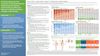 March 2026 in “SKIN The Journal of Cutaneous Medicine”
 This study demonstrated that litifilimab significantly reduced disease activity in cutaneous lupus erythematosus by Week 16, with improvements most notable in sunlight-exposed skin areas.
 November 2018 in “Annals of oncology”
 This study found that the computer-controlled RV-01 scalp cooling device helped prevent significant hair loss in metastatic breast cancer patients treated with eribulin, with none of the 16 patients requiring a wig and experiencing minimal discomfort.
November 2025 in “Journal of Investigative Dermatology”  April 2021 in “Journal of Investigative Dermatology”
 This study suggests that rather than inhibiting IL-15, selectively stimulating IL-15Ra-mediated signaling could be beneficial for managing alopecia areata and possibly other inflammatory hair loss conditions, as IL-15 promoted hair growth and maintained immune privilege in human hair follicles.
 November 2025 in “Reumatismo”
 In this study, the choice between Belimumab and Anifrolumab for treating Systemic Lupus Erythematosus was mainly influenced by the clinical features of the disease, such as chronic-active or relapsing-remitting courses and specific manifestations like cutaneous involvement or arthritis.
181 citations
,
January 2019 in “Cell” In this research, authors found that skin-resident ILCs regulate sebaceous gland function and microbial balance, emphasizing an immune-epithelia system that supports host-microbe symbiosis.
September 2025 in “Institutional Repositories DataBase (IRDB)”  March 2026 in “Mendeley Data”
 This tool was developed to enhance reproducibility and sensitivity in measuring partial hair regrowth in alopecia areata patients, particularly those undergoing JAK inhibitor therapy, using scalp photographs.
 7 citations
,
September 2020 in “Frontiers in Cell and Developmental Biology”
7 citations
,
September 2020 in “Frontiers in Cell and Developmental Biology” This study found that recombinant murine IL-36α increased the number of regenerated hair follicles and accelerated wound healing in a mouse model of wound-induced hair follicle neogenesis.
 23 citations
,
December 2021 in “Frontiers in Immunology”
23 citations
,
December 2021 in “Frontiers in Immunology” This review discusses the significance of IL-1 family cytokines in skin inflammation and pathology, emphasizing their interactions with microbes and potential therapeutic applications, but reports no new clinical results.
 140 citations
,
March 2013 in “The journal of immunology/The Journal of immunology”
140 citations
,
March 2013 in “The journal of immunology/The Journal of immunology” This study found that IL-7 is crucial for the survival of memory regulatory T cells in the skin of mice, whereas IL-2 is essential for their initial generation but not for their maintenance.
10 citations
,
September 2021 in “The FASEB Journal” This study found that ACKR2 plays a crucial role in reducing inflammatory skin fibrosis and promoting inflammation resolution through IFN‐β production, limiting tissue scarring.
 April 2023 in “The journal of investigative dermatology/Journal of investigative dermatology”
 This study found that deleting Ube2n in adult mouse skin leads to inflammation and other skin changes, and identifies IRAK1/4 as potential treatment targets for inflammatory skin disorders.
March 2015 in “Institutional Repositories DataBase (IRDB)” March 2026 in “Microchemical Journal” July 2026 in “Dermatology Practical & Conceptual” This narrative review reports that IL-17 and IL-23 inhibitors, while effective for psoriasis and other inflammatory diseases, can cause a variety of skin reactions that resemble primary dermatoses, highlighting the need for careful diagnosis and varied management strategies.
14 citations
,
July 2007 in “Lupus” In this study, repeated pregnancies in a murine model of systemic lupus erythematosus altered skin inflammation and cytokine expression but worsened kidney function and survival compared to controls.