1 citations
,
September 2025 in “The Oncologist” This review discusses the management of adverse events associated with sacituzumab govitecan use in real-world settings and provides no new clinical results; it emphasizes practical strategies for clinicians treating breast cancer patients.
 1 citations
,
March 2022 in “International Journal of Nutrology”
1 citations
,
March 2022 in “International Journal of Nutrology” This study found that myo-inositol improved fertility and metabolic parameters in women with polycystic ovary syndrome, including those undergoing in vitro fertilization, and reduced the risk of gestational diabetes.
26 citations
,
October 2019 in “JNCI Cancer Spectrum” This clinical study observed that in patients with advanced breast cancer and BRCA1/2 mutations, talazoparib provided significantly better progression-free survival, objective response, clinical benefit, and patient-reported outcomes compared to physician’s choice chemotherapy, despite common side effects like anemia and fatigue.
 November 2022 in “Journal of the Endocrine Society”
 This case study reports that immunotherapy with ipilimumab and nivolumab induced hypophysitis in a patient with renal cell carcinoma, emphasizing the need for careful monitoring of endocrine function in such treatments.
 16 citations
,
March 2015 in “Clinical Cancer Research”
16 citations
,
March 2015 in “Clinical Cancer Research” This review discusses the mechanism and side effects of smoothened inhibitors for advanced basal cell carcinoma, reporting no new clinical results and highlighting current management strategies for these adverse events.
 May 2024 in “Biochemical pharmacology”
 This study found that targeting CISD1 with the compound NL-1 reduced mitochondrial dysfunction and reactive oxygen species accumulation, protecting against cisplatin-induced hearing loss in cell models and mice, without affecting cisplatin's cancer-fighting effectiveness.
4 citations
,
July 2025 in “Frontiers in Pharmacology” This study found that cooling combined with antioxidants can improve scalp cooling effectiveness in preventing chemotherapy-induced alopecia by maintaining hair follicle viability and function.
August 2024 in “Indian Journal of Dermatology Venereology and Leprology”  March 2024 in “Cancer Research”
 This study found that eliminating senescent cells using senolytic drugs effectively prevented and reversed paclitaxel-induced peripheral neuropathy in mice.
 6 citations
,
September 2017 in “Multiple Sclerosis and Related Disorders”
6 citations
,
September 2017 in “Multiple Sclerosis and Related Disorders” This study suggests that nail loss may be a new, reversible adverse event related to teriflunomide treatment, akin to its known effects on hair loss.
3 citations
,
November 2019 in “Journal of dermatology” This case report details the successful use of oral itraconazole in treating a giant tufted angioma with hair loss that developed during pregnancy, leading to significant symptom relief and hair regrowth after discontinuation of the medication.
 September 2015 in “Journal of Steroids & Hormonal Science”
 This study reports a significant reduction in hair loss and other androgen-related signs in hyperandrogenism patients using inositol supplementation, although further research is needed to confirm these findings.

This article discusses the various skin side effects associated with targeted cancer therapies like tyrosine kinase inhibitors and EGF-R inhibitors but provides no new clinical findings.
 June 1998 in “Biomedicine & Pharmacotherapy”
 This document by the AACE and AES provides a 2015 summary of best practices for diagnosing and managing PCOS, emphasizing clinical assessment and treatment options but reports no new clinical results.
2 citations
,
July 2025 in “Acta Pharmacologica Sinica” Isoginkgetin reduces inflammation in cells by blocking NF-κB activation.
January 2022 in “Essentials in ophthalmology” This review discusses risk factors for intraoperative floppy iris syndrome, emphasizing tamsulosin and other α1 blockers, and underscores the importance of preoperative screening to mitigate surgical complications, but it reports no new results.
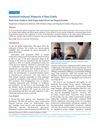 November 2022 in “The Indian journal of chest diseases & allied sciences”
 This case report documents a rare instance of hair loss associated with isoniazid initiation in a 32-year-old male undergoing antitubercular treatment.
January 2015 in “Journals & Books Hosting (International Knowledge Sharing Platform)” This study synthesized and evaluated five 6-mercaptopurine derivatives for anticancer activity against three cancer cell lines, detailing the promising results of compound 1.
November 2025 in “JEADV Clinical Practice” In this case report, a 28-year-old woman's tinea capitis, diagnosed using a Wood's lamp, was successfully treated with oral itraconazole and ketoconazole shampoo over eight weeks.
 April 2023 in “Journal of Investigative Dermatology”
 This research developed new in vitro models for high-throughput screening of drugs that could protect or restore immune privilege in hair follicles, finding that Tofacitinib was effective in preventing inflammation-related marker upregulation, while Tacrolimus and αMSH worked specifically in outer root sheath keratinocytes.
10 citations
,
May 2011 in “American Journal of Hematology” This study found that vinblastine treatment rapidly increased platelet counts in childhood refractory immune thrombocytopenia, providing effective control of bleeding symptoms, although side effects like neuropathic pain were common and resolved with dose adjustments.
 8 citations
,
May 2019 in “Journal of dermatological treatment”
8 citations
,
May 2019 in “Journal of dermatological treatment” This study found that vismodegib was effective in treating basal cell carcinoma, achieving complete remission in some patients; however, significant side effects often required careful management to prevent therapy suspension, which can lead to resistance.
 42 citations
,
April 2011 in “Annals of Pharmacotherapy”
42 citations
,
April 2011 in “Annals of Pharmacotherapy” This study found that long-term flutamide treatment reduced hair loss in women with female pattern hair loss, but liver-related dropouts were minimized at a very low dose of 62.5 mg/day.
March 2026 in “Journal of Clinical Oncology” In this study, pre-treatment with 5-α-reductase inhibitors (finasteride/dutasteride) in patients with metastatic renal cell carcinoma was associated with better immune checkpoint inhibitor effectiveness and improved progression-free and overall survival, without increasing severe side effects.
 April 2016 in “Journal of Investigative Dermatology”
 This study found that a newly developed peptide, FOL-005, significantly inhibited hair growth and counteracted minoxidil's effects in organ-cultured human male scalp skin and mouse models, without apparent toxicity.
 February 2024 in “IntechOpen eBooks”
 In this study, the use of "ProFecund Ino," a myo-inositol-based treatment for women with PCOS, was associated with a 38% pregnancy rate, and when combined with reproductive techniques, it significantly increased pregnancy chances.
1 citations
,
October 2019 in “Journal of Thoracic Oncology” This study concludes that combining chemotherapy with immune checkpoint inhibitors is additive rather than synergistic in terms of adverse events for advanced non-small cell lung cancer patients.
 April 2026 in “Frontiers in Medicine”
 This study analyzed data from the FDA Adverse Event Reporting System and found that enfortumab vedotin, used for urothelial carcinoma, is linked to various cutaneous adverse events, including severe reactions like Stevens–Johnson syndrome, typically occurring early in treatment and predominantly affecting elderly male patients.
22 citations
,
March 2017 in “Transplant Infectious Disease” This case report describes successful treatment of generalized trichodysplasia spinulosa with leflunomide in a patient undergoing immunosuppressive therapy following solid organ transplantation.
 10 citations
,
January 1994 in “Advances in pharmacology”
10 citations
,
January 1994 in “Advances in pharmacology” This review examines the role of topoisomerase-interacting drugs in cancer treatment and emphasizes the importance of understanding their mechanisms for clinical development, but it presents no new results.